
The Story
Why it exists.
The beginning
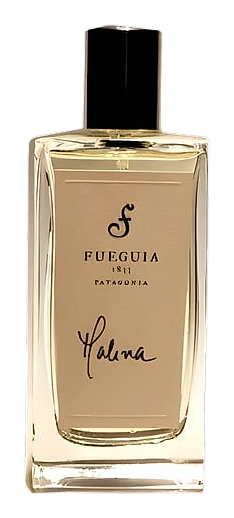
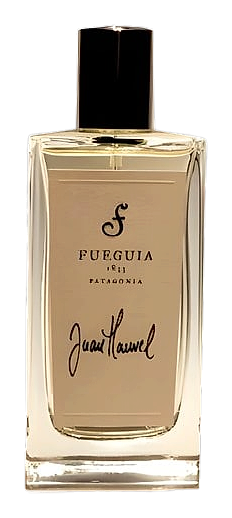
Juan Manuel de Rosas governed Argentina through the 1830s and 1840s, a figure whose legacy still divides the country. Fueguia 1833's Julian Bedel didn't flinch from that. The Personajes collection treats its namesakes the way history treats them: complicated, unresolved, worthy of examination rather than celebration. This fragrance named for a polarizing figure doesn't try to reconcile anything. It presents, and lets you decide. The structure mirrors the provocation, three materials where most brands would've built a dozen. Rose. Damask rose. Pink pepper. Nothing resolving, nothing apologizing.
Rose and pink pepper shouldn't work together. The floral and the spice pull in opposite directions, warmth versus cool, softness against sharpness. Most compositions smooth that tension into something pleasant and forgettable. Here, the friction is the point. The three-note structure makes no attempt to resolve it. You smell the rose, you smell the pink pepper, and neither has consumed the other. Cedar arrives late, dry and woody, offering just enough foundation to keep the whole thing from floating away. It's a minimal composition that refuses minimal effort from the wearer. Pay attention, or miss it.
The evolution
The opening is rose. Not the jammy, sweetened rose of mainstream florals, something cleaner, more immediate. Two minutes in, pink pepper arrives and changes the temperature. Suddenly the rose isn't warm anymore. It's cool, almost green, sharper than expected. This phase lasts the longest. The Damask rose unfolds in the heart while pink pepper continues its quiet work underneath, keeping the floral honest, stopping it from becoming sentimental. By the final hours, the pink pepper has settled into the rose itself. What you're left with smells neither floral nor spicy, a third thing, quiet and close, that stays on skin for eight to ten hours in its most intimate form. The cedar never fully announces itself. It just anchors everything that came before.
Cultural impact
The Personajes collection draws a specific person: someone who's moved past the need for constant presence, who wants rose without convention, complexity without excess. The three-note structure is almost defiant, nothing to hide behind, no padding to soften the impact. This austerity draws collectors who've grown tired of maximalist compositions. Within rose-focused niche fragrances, it's an outlier: sparse where others layer, restrained where others project. The controversy around the name adds another dimension, a provocation that rewards those who engage rather than retreat.