
The Story
Why it exists.
The beginning
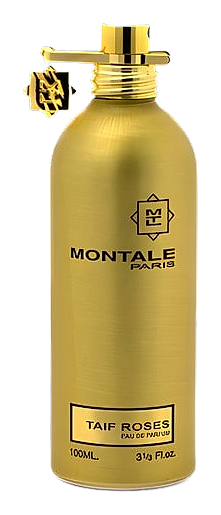
Pierre Montale spent years immersed in Saudi Arabia's perfume traditions before returning to France in 2003. Taif Roses was one of his earliest statements from that point, a rose that refused to behave like European roses, one that wanted to show what Arabian cultivation could do. The city of Taif has a centuries-old reputation for roses in the region, a fact deeply embedded in the local perfume culture. Montale knew this. He built the fragrance around a single material that could anchor everything, a rose that had to earn its name. The brief was simple: more. More presence, more conviction, more staying power than the average rose. What emerged was a fragrance that opens like a declaration and settles into something you find on your skin the next morning. That's the Taif Rose promise, and it's been keeping it since 2007.
The note pyramid shows only rose, which is unusual, but it tells you something important. When a perfumer strips everything else away, the rose has to carry the entire weight of the fragrance. And in Taif Roses, it does. The green, almost chypre-like quality in the opening suggests dewy stems and petals still attached to the plant, not the clean rosewater of a distilled extract. There's a brief animalic flicker at the start, a faint skatole note that disappears within a minute, which gives the rose a body, a warmth that synthetic accords often miss. Lemon brightens the edge. Honey deepens the heart. What you're left with is a rose that's been allowed to be fully itself, without apology.
The evolution
The opening arrives with force. A green, soapy rose, intense enough that some wearers describe it as medicinal in the first minutes. The fleeting animalic note, present for less than a minute at the very start, adds a brief body to what could otherwise read as purely heady. Within the first hour, the honey emerges. The composition sweetens and deepens, the green edge softening into something richer and more generous. The lemon note brightens but doesn't lighten, it reads as a freshness cutting through warmth rather than a citrus that disappears. By the second hour, the rose has settled into full bloom. The drydown is where Taif Roses earns its reputation. Eight to ten hours on skin is the expected range. On fabric, it can linger for days, you'll find it on a scarf or a pillowcase long after you thought the scent had gone. What remains is a warm, woody honey with a faint animalic presence returning in the base, that brief skatole note now a memory of warmth rather than a shock. A rose that stays. A rose that finds you.
Cultural impact
Taif Roses occupies a specific corner of the rose fragrance landscape: the green, assertive, Arabian-influenced rose that refuses to be delicate. It's been discontinued but remains sought after, a cult status earned through its uncompromising character. Where many modern roses lean soft and skin-close, Taif Roses projects and announces. The fragrance attracts people who know what they want: a rose with presence, not a rose that whispers.