





The Heritage
The Story of Ricky Sarkany
Ricky Sarkany translates the Argentine designer’s flair for bold colour and playful form into a line of modern fragrances. Since the first scent appeared in 2008, the collection has grown to more than ten distinct perfumes, each aimed at a specific mood or moment. The brand balances youthful energy with a disciplined sense of style, offering scents that feel both immediate and enduring. Its bottles carry the same graphic simplicity that defines Sarkany’s apparel, making the perfume range a natural extension of the label’s visual language.
Heritage
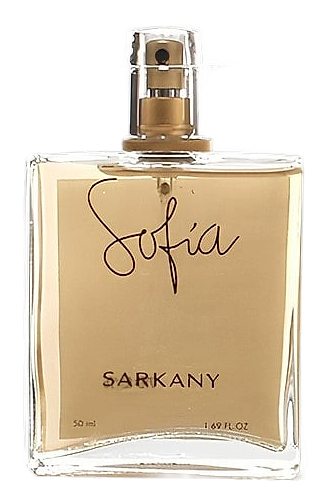
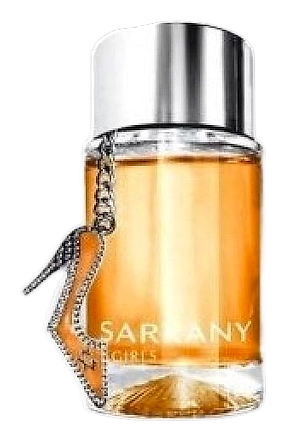
Ricky Sarkany was born in 1960 in Buenos Aires and opened his first boutique in 1992, quickly becoming known for bright, street‑inspired footwear and accessories. The success of the fashion house created a platform for diversification, and in 2008 the brand launched its inaugural fragrance, Sarkany Woman, a floral‑amber composition aimed at the modern Argentine woman. The following year the line expanded with Girls Light Blue (2009) and Sarkany Sexy (2010), each reflecting a different facet of youthful confidence. 2012 proved to be a prolific year: the house released a suite of scents including Sofía, Sarkany Men, Shine, Girls Kisses and Girls Pink, covering both masculine and feminine palettes while experimenting with fresh citrus, warm spices and soft musks. In 2014 the brand introduced Sarkany The Fragrance, a unisex offering that blended woody and aromatic notes to appeal to a broader audience. Throughout its evolution the label has maintained a focus on accessibility, positioning its perfumes alongside its ready‑to‑wear collections in the same retail spaces. By 2023 the portfolio counted eleven distinct releases, each supported by the same design ethos that first made the name a staple of Argentine street style. The brand’s trajectory from shoe designer to fragrance creator illustrates a consistent willingness to translate visual trends into olfactory experiences, while staying rooted in the cultural vibrancy of its Buenos Aires origins.
Craftsmanship
Production of Ricky Sarkany perfumes follows a structured workflow that blends in‑house direction with external expertise. The brand commissions experienced perfumers, often based in France or Italy, to translate the design brief into a formula, then oversees the blending process through a series of test batches. Ingredient selection prioritises natural extracts such as Argentine mate, Patagonian guaiac wood, and South American citrus, complemented by synthetics that provide stability and projection. Raw materials are sourced from certified farms that adhere to fair‑trade practices, and the house conducts periodic audits to verify compliance. Once a formula is approved, it is sent to a certified manufacturing facility that meets ISO 9001 standards for quality management. The facility performs rigorous stability testing, measuring longevity, sillage and colour change over a twelve‑month period. Bottles are produced in glass factories that employ a hand‑blowing technique for the base, while caps are machined from aluminium and finished with a matte powder coating that matches the brand’s colour palette. Each bottle undergoes a visual inspection for imperfections before being sealed with a tamper‑evident cap. The final product is packaged in a minimalist cardboard sleeve printed with the iconic Sarkany logo, a design choice that reduces waste while reinforcing brand identity. Throughout the process, the house maintains a detailed batch ledger, enabling traceability from raw material receipt to retail delivery, a practice that supports both quality assurance and consumer confidence.
Design Language
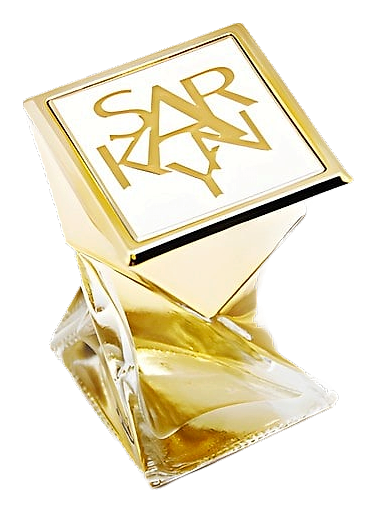
Ricky Sarkany’s visual identity is anchored in bold typography, high‑contrast colour blocks and a streamlined silhouette that echoes the label’s footwear designs. The perfume bottles feature a square or rectangular torso with clean lines, often finished in matte black, white or a single accent hue that corresponds to the scent’s character. Caps are simple discs, sometimes embossed with the Sarkany monogram, and they sit flush with the bottle to create a sleek, unified profile. Labels are printed in a sans‑serif font, using minimal text to let the colour and shape speak for themselves. The packaging sleeve mirrors the brand’s graphic language, employing geometric patterns and a limited palette that makes each release instantly recognizable on a shelf. In promotional photography, the fragrances are staged against urban backdrops or bright studio settings, reinforcing the connection between scent and contemporary lifestyle. This consistency across product, print and digital channels creates a cohesive brand image that feels both modern and approachable, inviting consumers to view the perfume as an accessory that completes an outfit.
Philosophy
The creative vision behind Ricky Sarkany’s perfumes mirrors the label’s broader design philosophy: colour, contrast and clarity. The house treats scent as another material to be layered, much like fabric or leather, and seeks to capture a moment of everyday confidence rather than an abstract ideal. Each fragrance is built around a single narrative – a night out, a sunrise walk, a quiet afternoon – and the formulation process starts with a story board that outlines the intended emotion. The brand values transparency in sourcing, favouring ingredients that can be traced to their origin, and it works with regional suppliers whenever possible to keep the scent profile authentic to South American sensibilities. Sustainability is addressed through modest batch sizes and recyclable packaging, reflecting a belief that luxury can coexist with responsibility. Collaboration is another pillar; the house occasionally partners with local artists or public figures to inject fresh perspectives, but always retains final creative control to ensure the scent remains true to the Sarkany aesthetic. This disciplined yet playful approach positions the fragrances as extensions of the designer’s wardrobe, meant to be mixed, matched and worn with intention.
Key Milestones
1992
Ricky Sarkany opens his first boutique in Buenos Aires, establishing a reputation for vibrant footwear.
2008
Launch of Sarkany Woman, the brand’s first fragrance, targeting a modern female audience.
2009
Introduction of Girls Light Blue and Girls Pink, expanding the line with youthful, citrus‑forward scents.
2010
Sarkany Sexy debuts, offering a warm, spicy composition aimed at evening wear.
2012
A prolific year sees the release of Sofía, Sarkany Men, Shine, Girls Kisses and Girls Rock, covering both gendered and unisex markets.
2014
Sarkany The Fragrance launches as a unisex offering, blending woody and aromatic notes.
At a Glance
Brand profile snapshot
Origin
Argentina
Founded
1992
Heritage
34
Years active
Collection
1
Fragrances released
Avg Rating
4.7
Community sentiment
Release Rhythm


