





Heritage
A house, in its own words
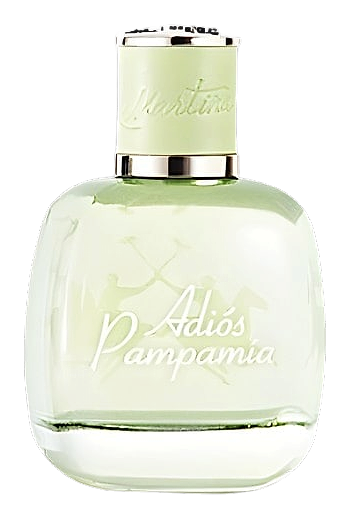
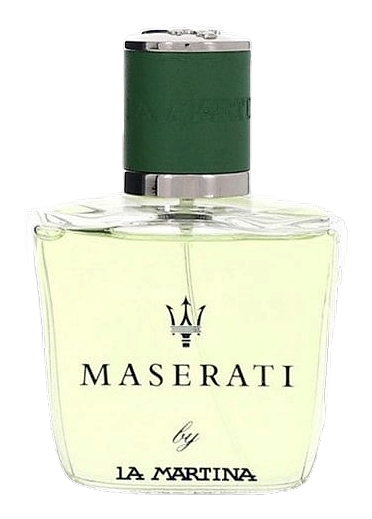
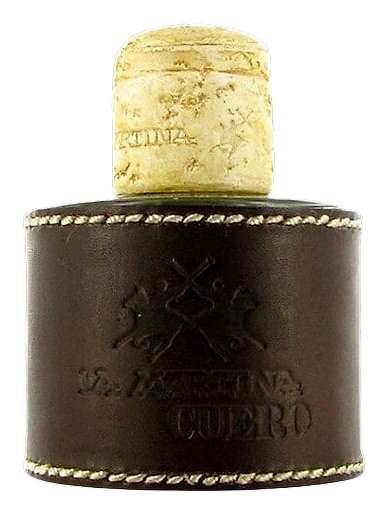
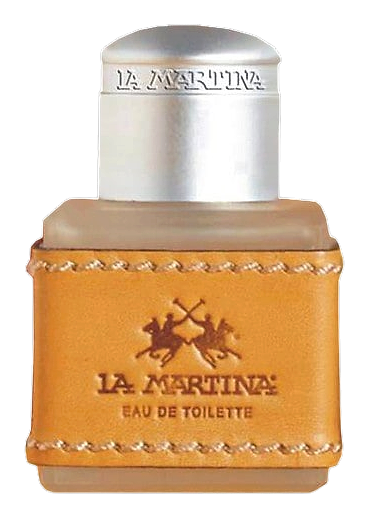
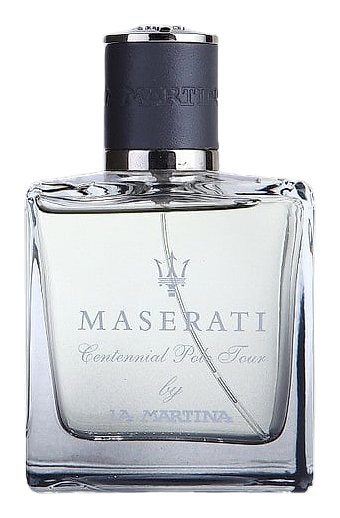
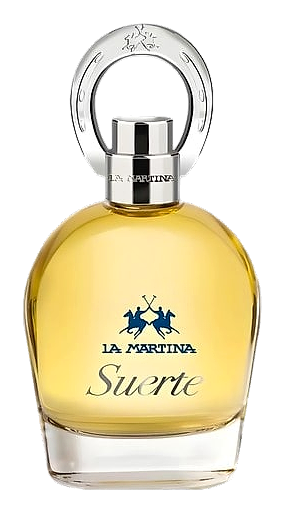
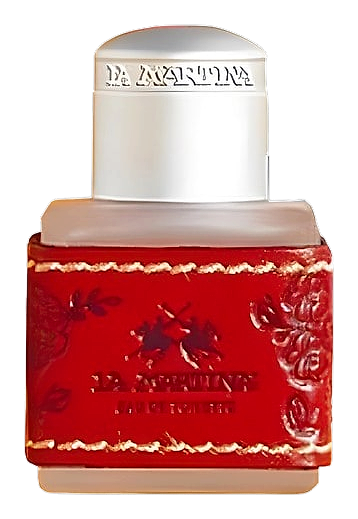
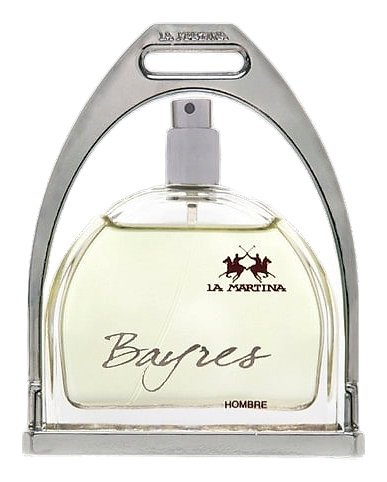
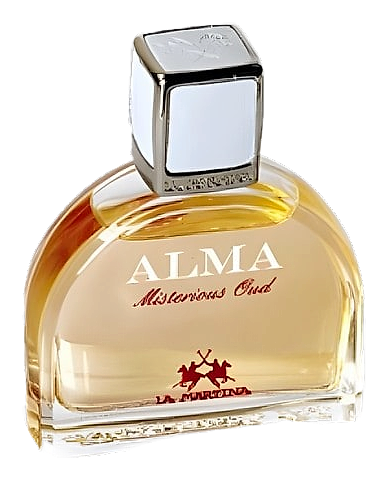
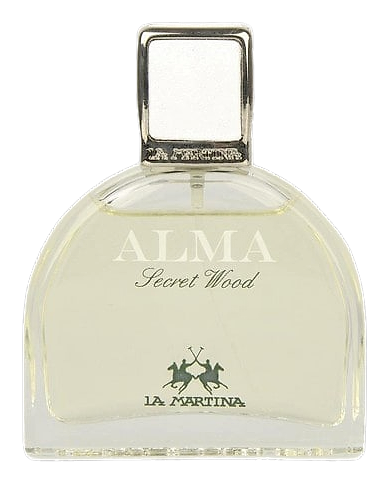
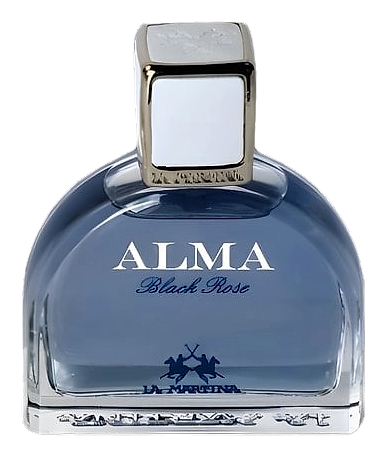
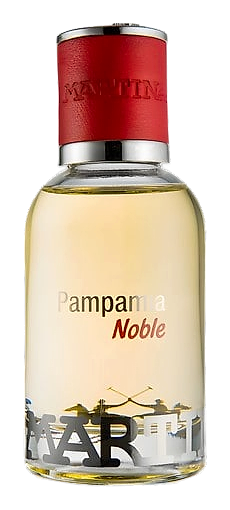
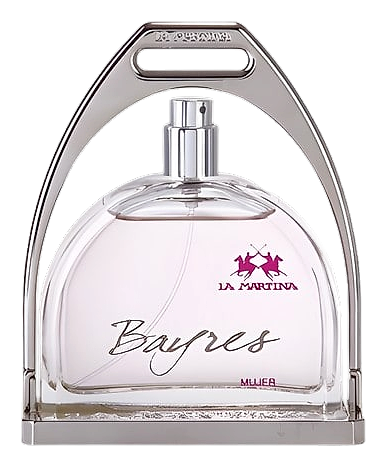
La Martina emerged from the Argentine sporting world in the mid-1980s, founded by Lando Simonetti. The brand originated as a manufacturer of polo apparel, creating tailored garments designed for the demands of the sport while maintaining an elegant aesthetic. Simonetti reportedly recognized that polo carried deep cultural significance in Argentina, where it had been practiced since the 19th century and became known as the national sport by the early 20th century. The brand took its name from a beloved horse, establishing an immediate connection to the equestrian world that would define its identity. From its inception, La Martina positioned itself at the intersection of sporting functionality and sartorial sophistication. The company expanded from specialized polo wear into broader sportswear and lifestyle categories, eventually extending its reach beyond South America into international markets. The fragrance arm developed organically from this lifestyle positioning, translating the brand's equestrian heritage and Argentine roots into scented compositions that capture the landscapes, traditions, and sensibilities of its homeland. La Martina approaches perfumery through the lens of its equestrian heritage, treating fragrance as one would approach the sport of polo: with precision, respect for tradition, and an appreciation for the partnership between rider and horse. The brand draws inspiration from the pampas, the vast grasslands that shaped Argentine identity, and incorporates notes and ingredients that evoke this landscape. There is a deliberate focus on authenticity over trend-chasing, with collections that reflect genuine cultural roots rather than fleeting fashion movements. The Alma Coleccion Privada line exemplifies this philosophy, offering more introspective compositions that require contemplation rather than immediate impact. La Martina maintains that fragrance should feel personal and meaningful, connecting the wearer to story and place rather than simply projecting a particular image. This approach manifests in naming conventions that reference Spanish language and Argentine culture, creating an intentional link between scent and national identity.