











Heritage
A house, in its own words
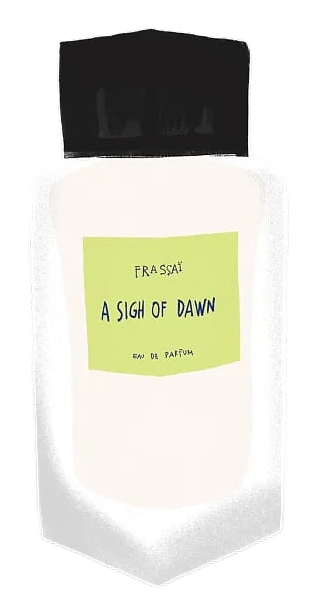
Frassaï emerged from Argentina in 2013, founded by Natalia Outeda, a creator with over twenty years of experience in the fragrance world. Outeda has described feeling she possessed something unique to contribute, driving her decision to establish an independent house rather than working within an established commercial brand structure. The founding represented an act of self-expression as much as entrepreneurship. In interviews, Outeda has characterized her focus as creating sensorial experiences through one-of-a-kind handcrafted perfumes, suggesting an artisanal rather than industrial approach from the outset. The house has maintained an independent status, releasing eleven eau de parfum fragrances over its first decade of operation. Notable among these are Blondine (2017), Tian Di (2017), and Teisenddu (2018), which established early critical attention for the brand. The name Frassaï reportedly carries personal significance, though the specific meaning remains deliberately private. The house does not operate from a fixed public address, positioning itself as a nomadic creative studio rather than a traditional boutique brand. This structure aligns with Outeda's stated preference for direct creator-to-wearer relationships and her emphasis on fragrance as a personal, intimate experience rather than a commercial product. Frassaï operates on the principle that fragrance should serve as a vehicle for self-discovery. The brand's stated purpose centers on inspiring individuals to recognize aspects of themselves through the sensory experience of perfume. This philosophy manifests in the house's reluctance to provide detailed fragrance descriptions, reportedly encouraging wearers to develop their own interpretations rather than accepting prescribed narratives. The brand explicitly positions itself against conventional luxury fragrance marketing, avoiding language that equates perfume with status or social signaling. Self-expression, rather than impression management, emerges as the central creative value. Outeda has articulated that the house seeks to create sensorial experiences, not merely pleasant smells, suggesting an artistic rather than commercial priority. The gender-inclusive approach to fragrance composition reflects a broader philosophy that scent does not require categorical assignment to be effective. The house reportedly emphasizes raw materials and artisanal technique over synthetic amplification, trusting the inherent character of natural ingredients to convey emotional resonance.