The Story
Why it exists.
The beginning
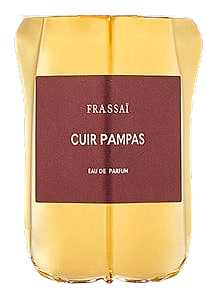
Cuir Pampas is Frassaï's translation of the Argentine pampas into scent. The pampas, those endless grasslands that stretch to the horizon, home to the gaucho, the rider who moves through the landscape like it's part of his body. Irina Burlakova built this fragrance around that image: the first light on the mountains, the last smoked embers, the warm maté that starts the day. The official brand narrative describes a gaucho preparing his horse at dawn, filled with the exhilaration of nomad freedom, ready to gallop into the pampa lands. Cuir Pampas is that moment. Not the arrival, the departure. The inhale before the ride. Frassaï, founded in 2013 by Natalia Outeda, has made Argentine raw materials and elemental themes central to its identity. Cuir Pampas fits squarely in that tradition: ancient resins, palo santo, earth-forward accords. But this fragrance leans differently.
What makes Cuir Pampas unusual is the mate note itself. In Western perfumery, the green opening is typically citrus, marine, or cut grass. Mate is different, it's herbal, slightly bitter, with a tea-like depth that reads almost medicinal at first. It's the flavor of South American morning ritual, not European grooming. The combination of mate with leather and smoked vetiver is unusual precisely because mate doesn't invite easy categorization. It's not fresh in the conventional sense, not aromatic in the lavender-herb way. It creates a tension with the leather and smoke, green versus burnt, pastoral versus smoldering. That tension is where the fragrance lives.
The evolution
The opening hits fast, mate's green bitterness arrives within seconds, followed immediately by black pepper's clean heat. The mate reads sharp for the first ten to fifteen minutes, almost medicinal, before the leather softens it. The hand-off is immediate: leather takes over while mate recedes, not disappearing but settling into the composition. By the second hour, the leather and vetiver are dominant. The smoke in the vetiver becomes more apparent as the top notes fade, not BBQ smoke, but the memory of embers, the kind that clings to a wool blanket. Cedar arrives midway through the heart phase, adding a dry woody structure that supports the leather. The drydown is where Cuir Pampas earns its reputation. Six to eight hours on most skin types, with hay and labdanum extending the warmth into something that reads as pastoral rather than performative. The cedar stays close to the skin for hours after the sillage has diminished, the kind of drydown you catch on your own wrist in the late afternoon, long after the initial application.
Cultural impact
The South American plains have long inspired artistic expression, and mate itself carries deep cultural weight across Argentina and Uruguay, where sharing mate is a ritual of community and hospitality. Gaucho heritage shapes the leather aesthetic, reflecting a rugged yet refined identity rooted in rural traditions. The fragrance draws from these cultural tapestries, translating the mate leaf's aromatic complexity into a modern olfactory narrative. Its leather and black pepper notes evoke the vast pampas landscape while bridging indigenous customs with contemporary design sensibilities. The scent becomes a wearable story, connecting wearers to a rich cultural legacy.
The House
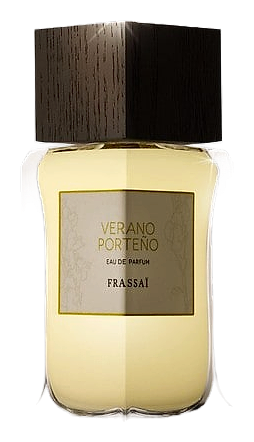
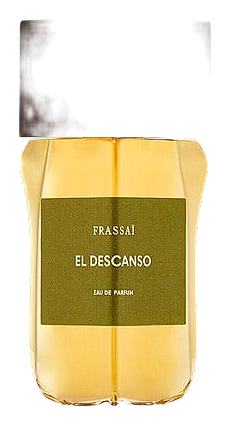
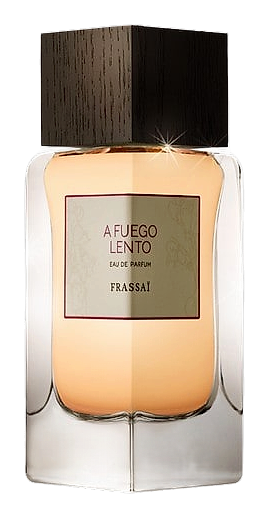
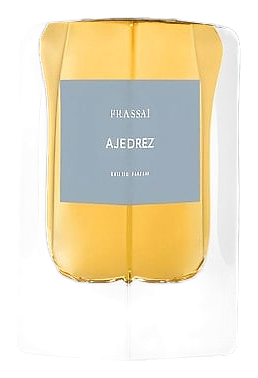
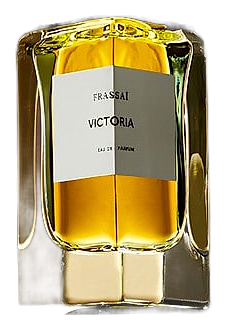
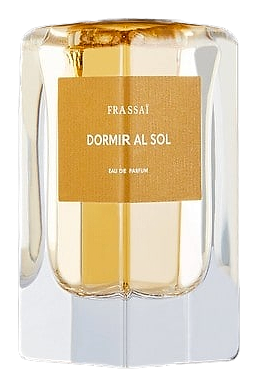
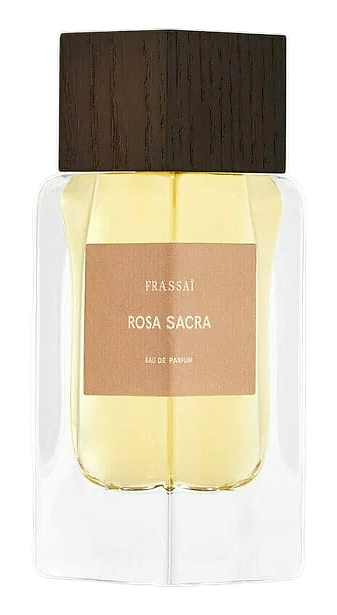
FrassaiFrassaï is an independent Argentine perfume house founded in 2013 by Natalia Outeda, who serves as creator and artistic director. The house operates without a fixed retail address, reflecting its status as a niche, artisanal brand focused on handcrafted fragrance creation. With eleven eau de parfum releases to date, Frassaï draws heavily on Argentine raw materials, incorporating ancient resins, palo santo, and earth-forward accords into its compositions. The brand centers on themes of self-discovery and personal expression, positioning fragrance as a mirror for individual identity rather than a status marker. Frassaï holds the distinction of being the first woman-owned perfume house from Argentina, and Outeda has publicly stated a commitment to supporting women within the fragrance industry, though she does not limit collaborations exclusively to female artisans.
The Creator
Irina BurlakovaIrina’s technique centers on building structures from single‑note extracts before weaving them into layered accords. She often begins with a dominant natural heart—jasmine, rose, or a green leaf—then frames it with supporting woods, ambery resins, or subtle musk to add depth.