The Story
Why it exists.
The beginning
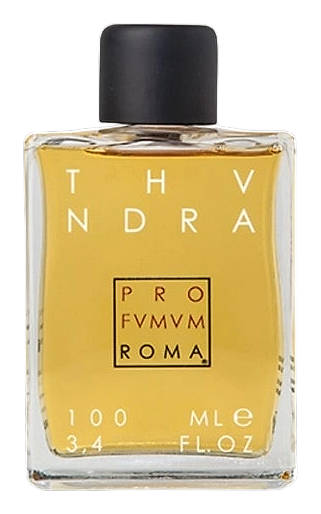
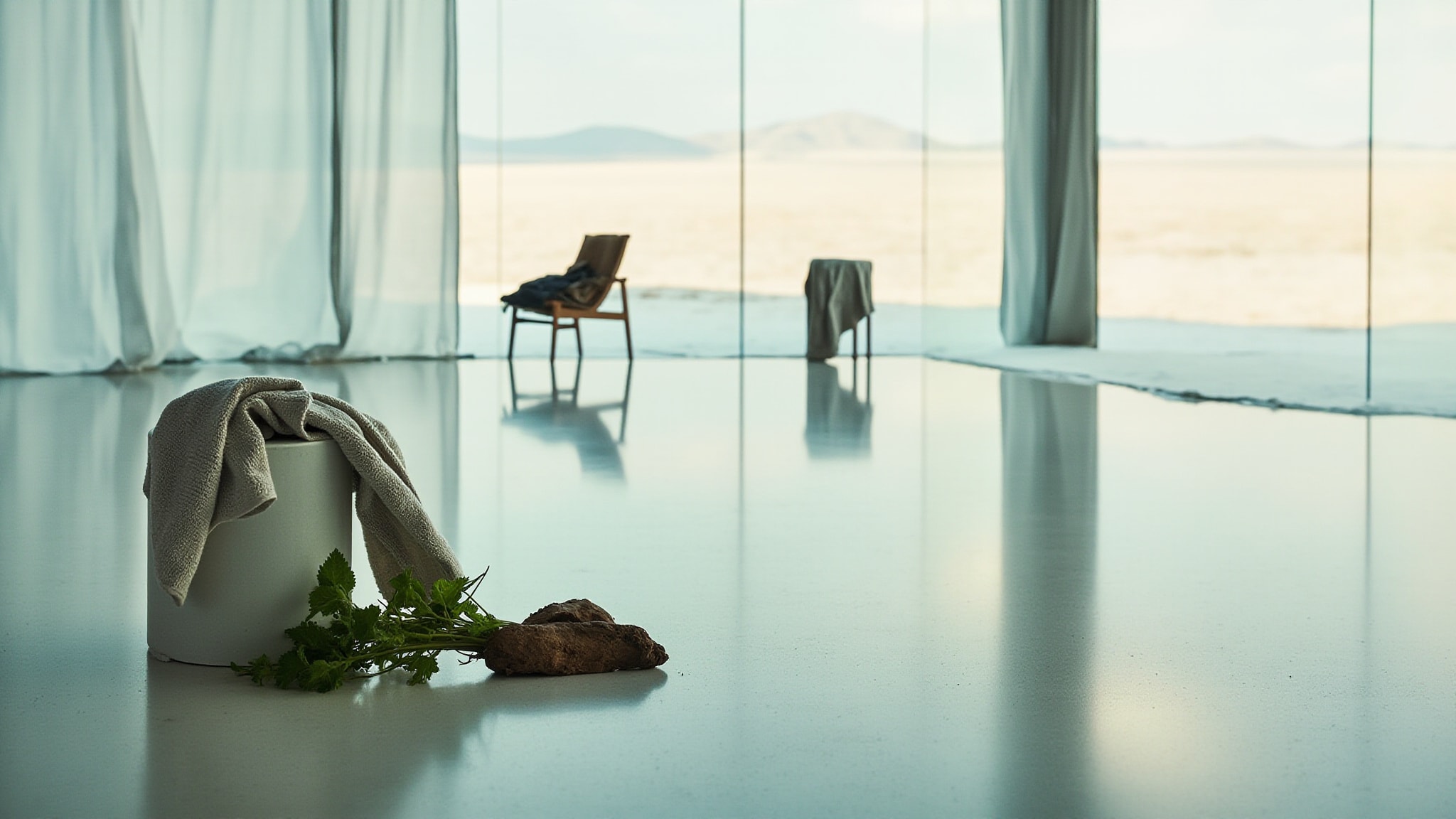
Thundra translates the sensation of open northern terrain into fragrance form, that specific cold that arrives with nothing to stop it. The name reaches past Italy, into a different kind of vast: treeless, wind-scoured, where the ground itself seems to exhale cold. The 1996 launch placed this fragrance within a house still defining what it meant to translate place into scent, not a postcard version, but the actual feeling of standing in that openness. There is a clarity here, an absence of clutter, as if the perfume itself has been scoured clean by the same winds that shape the tundra.
Three notes can be an exercise in restraint or a sign of something more elemental. Thundra chose restraint as a creative decision, a lean composition where nothing fills dead space because there is no dead space. The patchouli is the base, but it's not the start. Mint opens the composition, cold and sharp, before ceding ground to the earthier, more medicinal character of the patchouli as it develops. White musk does what white musk does: it softens, it lifts, it keeps the composition from becoming heavy or tar-like. But the patchouli never fully disappears. That's the point. It's the ground you can always feel beneath your feet.
The evolution
The mint arrives clean and bright, the cold air before the landscape fully reveals itself. No sweetness here, no warmth to ease you in. For a while the composition reads almost clinical: crisp, sharp, cold. Then patchouli takes over. Something rawer, more medicinal, with an herbaceous edge that smells like the edge of a forest rather than its floor. The white musk moves in gently, not softening the patchouli but spreading it, giving the earthiness room to breathe and linger without cloying. By the final hours, the drydown is intimate: patchouli still present but quieter, the mint a memory, the musk holding everything close to the skin. The next day, a faint earth-and-skin residue remains. Not a ghost, a foundation.
Cultural impact
Thundra sits in an interesting position within the Profumum Roma range: not the house's most famous fragrance, but among its most distinctive. The cold-mint-over-earthy-patchouli structure is unusual enough that it generates strong reactions in both directions. Among niche fragrance communities, it's the kind of composition that people mention when asked about fragrances that smell like nothing else in their wardrobe, not because it's obscure, but because the combination of sharp mint and grounded patchouli creates a character that doesn't fit neatly into warmer or sweeter categories. It's been in continuous production since 1996, which speaks to the appeal of finding a wearer who connects with its particular cold, open, almost austere personality.