
































Heritage
A house, in its own words
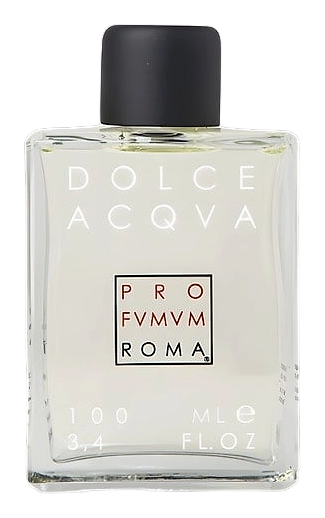
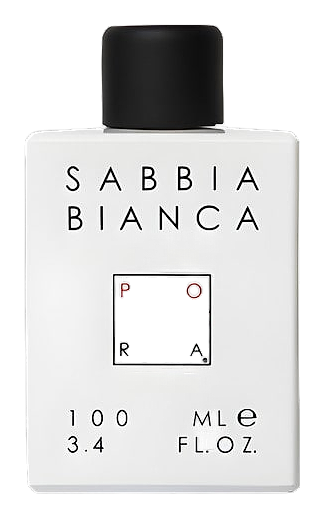
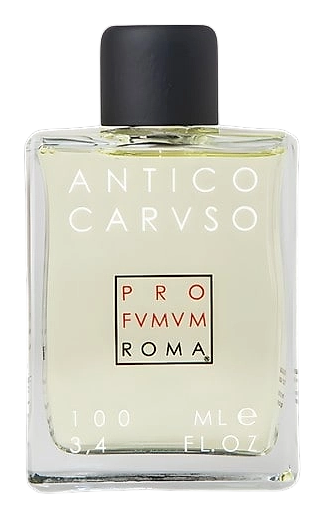
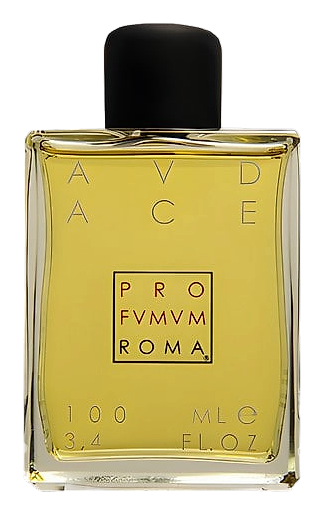
The story begins in Sant'Elena Sannita, a village in the Isernia province perched at 750 meters altitude, where farming and livestock were the primary economic activities. The community gained particular distinction for its knife-grinding trade, with artisans who could restore scissors, razors, and blades to perfect condition. When Celestino Durante returned from World War II bearing physical reminders of the conflict, he found his hometown reduced to roughly 250 inhabitants from a pre-war population of 2,500. After marrying Luisa, Celestino gathered his possessions and left for Rome, joining a wave of young men from Sant'Elena who sought opportunity in the capital. They traveled by bicycle or, when fortunate, by scooter, fanning out across the city to practice their trade. Over time, their grinding wheels and repair shops gradually began stocking shaving soaps sold by weight, hair lotions, and eventually colognes. The grinding wheel remained a constant fixture in their back shops. Years transformed those young men into established shopkeepers whose names now appeared on Rome's most prestigious streets. The Durante family established their presence among them. Celestino and Luisa eventually stepped aside, allowing their children Giuseppe, Luciano, Maria, and Felice to pursue their own paths. However, as commercialization and market standardization accelerated in the fragrance industry, the Durante siblings felt increasingly constrained. They believed themselves manipulated and no longer free in their creative work. In 1996, they founded Profumum Roma as an act of independence and artistic liberation. A bronze statue of a knife grinder still stands in Sant'Elena Sannita today, marking where the family's roots begin. Profumum Roma operates on the belief that perfume should be an act of personal expression rather than market compliance. The Durante siblings created their house specifically because they felt suffocated by an industry increasingly driven by trends, commercialization, and homogenization. They refused to compromise their vision for commercial formulas. This philosophy manifests in fragrances designed around specific memories, landscapes, and sensory experiences rather than market research or target demographics. The brand describes each perfume as a fragment of a larger story, an emotional transmission rather than a commercial product. The inspiration draws from the full spectrum of Italian life, from Mediterranean seashores and summer pasticcerias to ancient Roman spiritual spaces and rustic countryside forests. The family believes fragrance serves as a vehicle for memory, capable of transporting wearers to specific places and moments. Their commitment to independence means accepting slower growth in exchange for creative authenticity. Every fragrance emerges from genuine artistic impulse rather than market calculation, a stance that defines the house's identity and appeal to fragrance connoisseurs seeking alternatives to mainstream offerings.