The Story
Why it exists.
The beginning
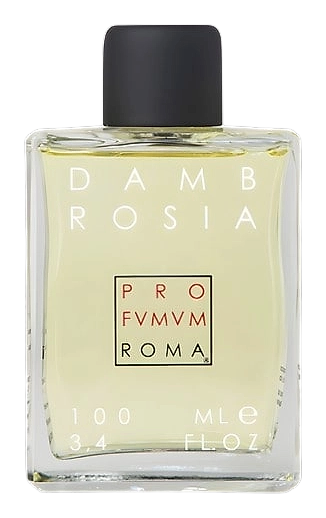
Dambrosia landed in 2008 as Profumum Roma's answer to the question of what happens when sweetness doesn't apologize for itself. The name hints at something generous, d'ambrosia, food of the gods, nectar worth chasing. But the composition takes a different path. Instead of loud fruit or performative florals, it builds around fig, sandalwood, and almond: three materials that shouldn't work together but do. The idea was simple enough. Create a fragrance that smells like the best part of a Mediterranean afternoon, not the first sip, but the hour after, when the light goes golden and everything slows down. What Profumum Roma delivered instead was something stranger and more personal. A fruity gourmand that smells like skin, not perfume. The kind of scent you forget you're wearing until someone leans in.
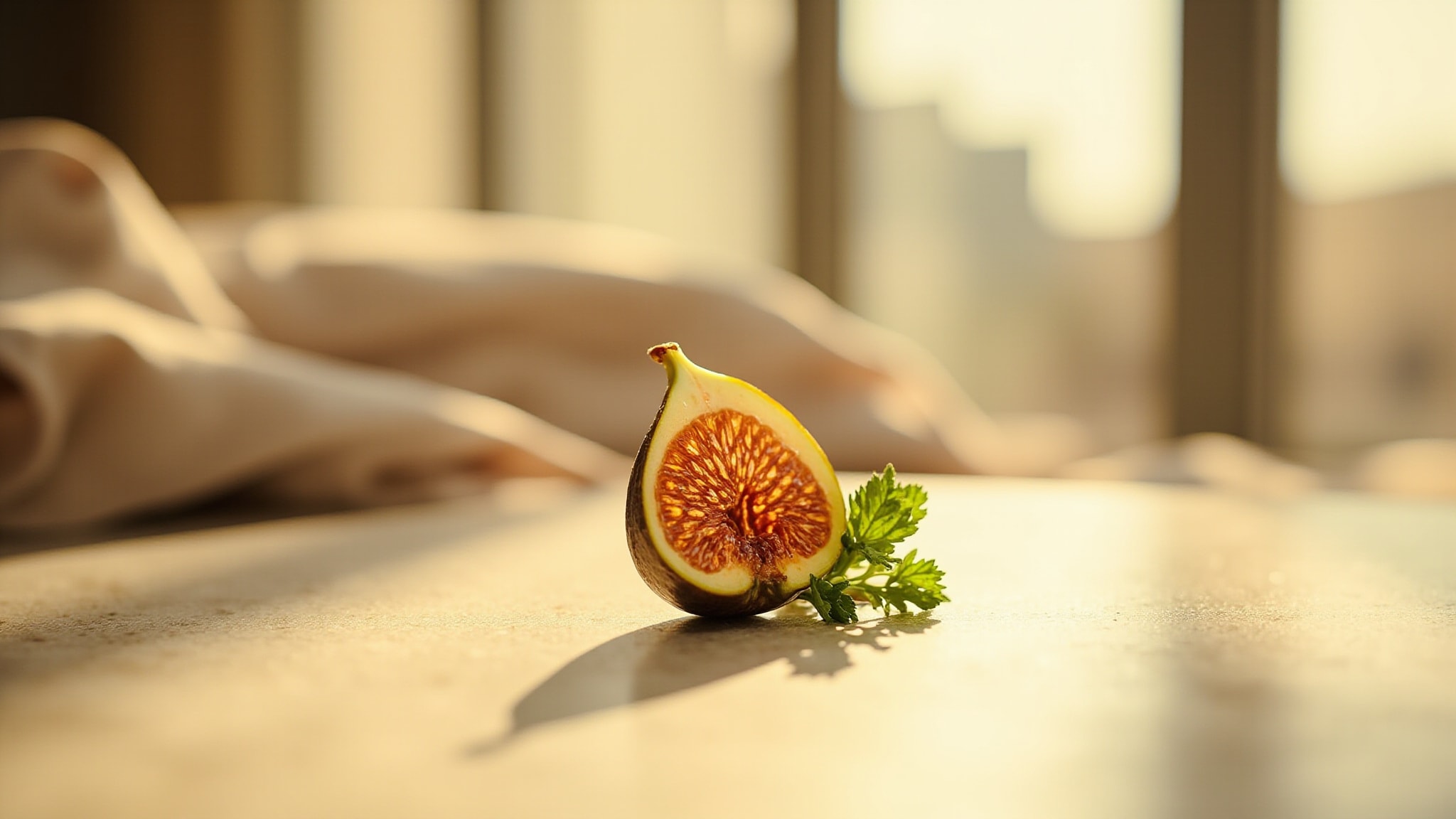
The fig-sandalwood-almond combination is unusual for a reason. Fig brings a milky-green quality that reads as both fruity and slightly animal. Sandalwood adds a dusty-creamy warmth that can swing either woody or lactonic depending on the skin. Almond bridges them with a sweet, edible warmth that makes the whole thing feel edible without crossing into candy. What makes this work is the fig's behavior. In most fragrances, fig pops briefly at the top then disappears. Here, it threads through the entire wear, present in the opening, dominant in the heart, and absolutely in charge by the drydown. The sandalwood and almond don't compete with the fig.
The evolution
The opening announces itself briefly, pear and grape arrive soft, almost apologetic for their sweetness, then vanish within minutes. What's left is the real composition: milky-green fig and dusty-creamy sandalwood sweetened by what lingers of the grape note. Some call it an odd gourmand. The brand calls it typical Profumum Roma, loud and dense, refusing to disappear. In the heart phase, sandalwood and almond move forward while the fig threads through both, still present but softened. The sillage settles into something intimate and close, clinging to the skin with the kind of density that comes from high concentration parfum. By the drydown, the pear and grape have long since faded. The fig stays, grassy-green, dominating what remains of the almond and sandalwood. Some wearers find this phase surprising. Others find it the whole point. Either way, the fig doesn't leave.
Cultural impact
Dambrosia occupies a specific niche among fig-forward fragrances. It appeals to wearers who want something personal rather than performative, fruity but grounded, sweet but restrained. The longevity and intimate sillage attract those who prefer close wear over room-filling projection. For anyone seeking an alternative to mainstream fig fragrances, Dambrosia offers something distinctive.