The Story
Why it exists.
The beginning
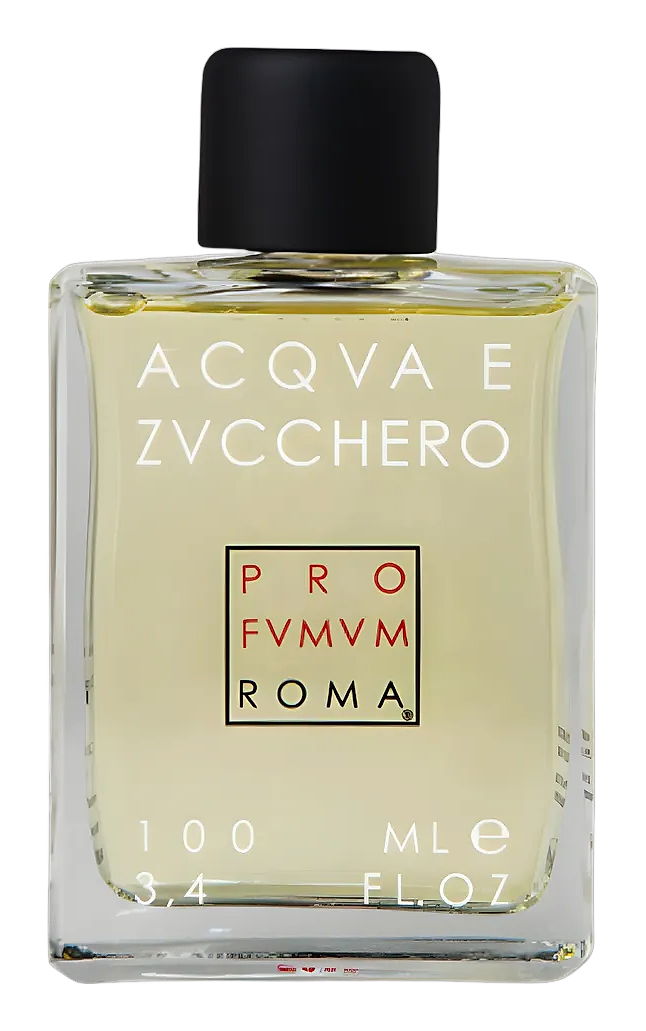
Acqua e Zucchero translates to water and sugar, a contradiction built into the name itself. Released in 2002 by Profumum Roma, the fragrance takes its cue from the tension between two elements: one cool and clean, the other rich and indulgent. The house has always worked in sensory contrasts, building perfumes around moments rather than market segments. Water and sugar became the idea, an olfactory paradox that turns out to be less contradictory than it sounds. The fragrance doesn't choose between the two. It lets them exist in the same space, which is where the interest lives.
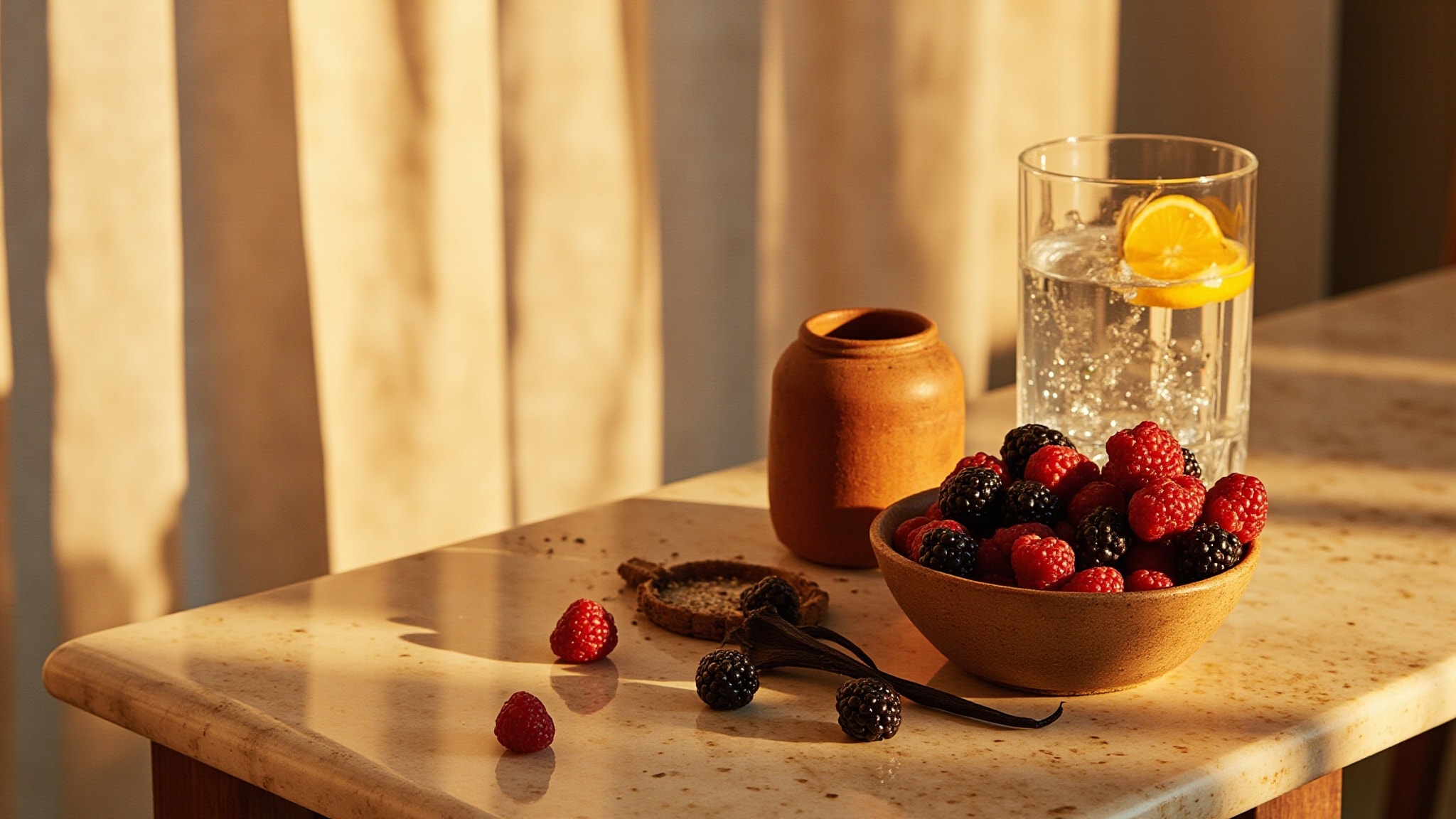
Three notes. That's the whole pyramid. Vanilla, orange blossom, forest fruits. It sounds simple, and to a degree it is, but simplicity is harder to execute than complexity. Each material appears twice in the structure, cycling through the phases so the same element keeps resurfacing from a different angle. The orange blossom doesn't just open and vanish. It circles back in the heart, then lingers as a ghost in the drydown. The forest fruits provide a tartness that stops the vanilla from becoming one-dimensional. Without that counterweight, the composition would be syrup.
The evolution
The opening hits citrus first, a bright, clean note that reads almost like sparkling water. Then the fruit arrives: forest fruits, red and jammy, arriving mid-phase to add weight. By the second hour, vanilla has taken over completely and the citrus has faded. What remains is warm, round, and stays close to the skin without disappearing. On the drydown, it becomes something quieter, vanilla blended with the ghost of white flowers, lingering on fabric and pulse points for hours. The orange blossom that seemed absent in the opening reveals itself here, surfacing late to add a clean, slightly powdery finish that keeps the sweetness from feeling one-note. Wears best on clean skin. On anything else, it fights for territory.
Cultural impact
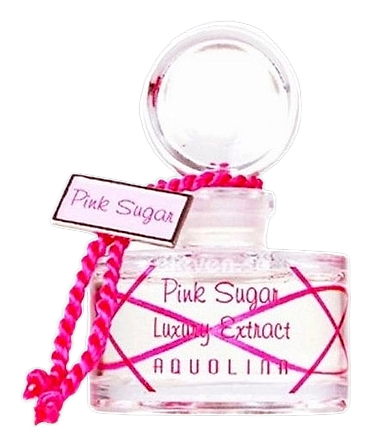
Acqua e Zucchero occupies an unusual position: it's been in continuous production since 2002, which is remarkable for a niche fragrance that lives in the sweet-gourmand category, a territory typically dominated by fashion houses and mass-market releases. The comparison to Pink Sugar (Aquolina, 2007) has followed it since before that fragrance existed, which tells you something about how early it arrived in the gourmand conversation. It's not that Acqua e Zucchero invented the genre, but it arrived with enough quality and concentration to feel like a different thing entirely. Wearers who discovered it before the Pink Sugar era treat it differently, as a reference point, not a cheaper alternative.