The Story
Why it exists.
The beginning
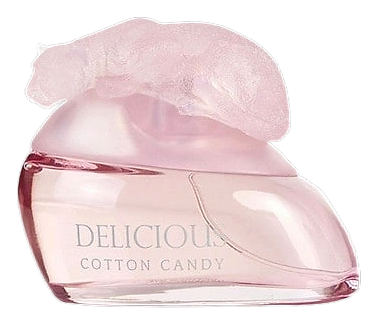
Gale Hayman built her collection on a simple conviction: name a fragrance after the feeling it gives you, not the ingredients it contains. Delicious Cotton Candy followed that philosophy directly. Where most perfumers would reach for descriptors, Hayman reached for the memory, the sticky-sweet smell of a carnival at dusk, the way cotton candy dissolves the moment it touches your tongue. The goal was translation, not description. Capture that feeling in a bottle and let the name do the rest.
Cotton candy presents a particular challenge: it's spun air, sugar vapor, something that exists only in the moment of eating. Replicating that in a fragrance means accepting that the material itself has no real olfactory equivalent. The perfumer had to build it from the inside out, sweetness as architecture, with vanilla and caramel providing the structural weight that cotton candy lacks on its own. Brown sugar bridges the gap, giving the sweetness something slightly darker to lean against. The result is a scent that feels like the memory of cotton candy rather than a laboratory recreation.
The evolution
The opening arrives quick and bright, bergamot and clementine zinging against your skin before the sugar catches up. Within minutes, cotton candy takes over completely. Not the subtle suggestion of it, but the full experience: sticky-sweet, slightly synthetic, unapologetically fun. The caramel follows, thicker and warmer, as if someone just pulled a fresh batch from the heat. Vanilla settles in around the 30-minute mark, soft and persistent. By hour two, the whole composition has merged into something warm and intimate, brown sugar, musk, and a whisper of cedar that keeps the sweetness from becoming cloying. The drydown is gentle. It doesn't announce itself. It just stays, close to the skin, for six to eight hours depending on your body chemistry. On fabric, it lingers longer, hints of vanilla and caramel showing up the next morning like an afterthought worth keeping.
Cultural impact
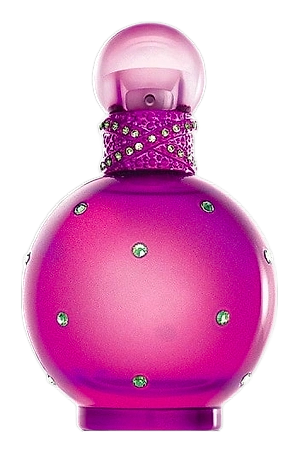
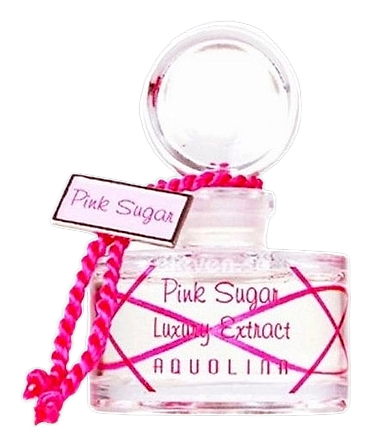
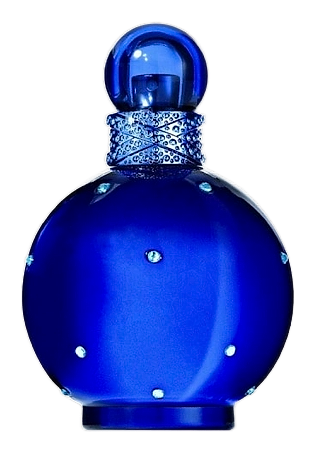
Delicious Cotton Candy belongs to the late-2000s gourmand moment that reshaped how many people thought about sweet fragrances. Pink Sugar launched in 2006. Britney Spears Fantasy arrived in 2005. By 2007, the appetite for unapologetically sweet, food-inspired scents was firmly established. This fragrance sits squarely in that tradition, playful, confident, and unashamed of what it is. The synthetic undertone that runs through it is part of its identity, distinguishing it from natural-food interpretations of sweetness. Some wearers find that quality divisive. Others find it the most honest thing about it.