Cotton Candy
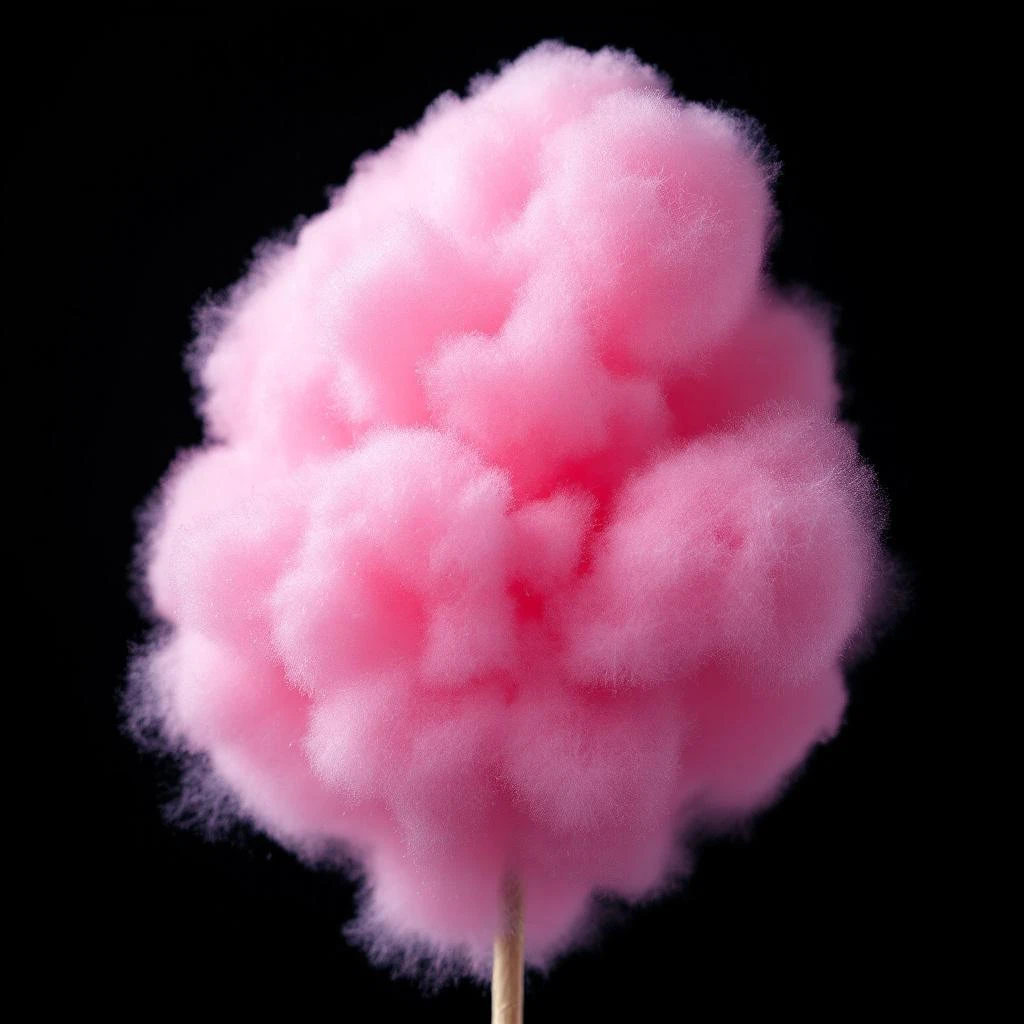
A playful gourmand accord that captures the sugary, airy sweetness of spun sugar. Primarily built on ethyl maltol, cotton candy evokes carefree joy and fairground nostalgia in perfumery.
Character
How it smells
Sugary spun sugar with vanilla warmth.
Cotton candy contains only two ingredients: sugar and air. The confection is heated to 186°C then rapidly spun into fine threads.








Origin
United States
Two Nashville residents invented cotton candy in 1897: dentist William Morrison and confectioner John Wharton. Their creation, originally called “Fairy Floss,” debuted publicly at the St.
Louis World’s Fair in 1904, where vendors sold 68,655 boxes at 25 cents each. The treat remained largely unchanged for decades—sugar heated, melted, and spun into fragile threads using nothing but air.
Perfumers later adopted its nostalgic aroma, finding that the same sweet, ephemeral quality that makes cotton candy memorable in childhood also makes it compelling in fragrance compositions. The spun-sugar machine spread to fairgrounds worldwide through the twentieth century, cementing the treat's nostalgic associations that perfumers later mined for gourmand compositions.
Wears it best
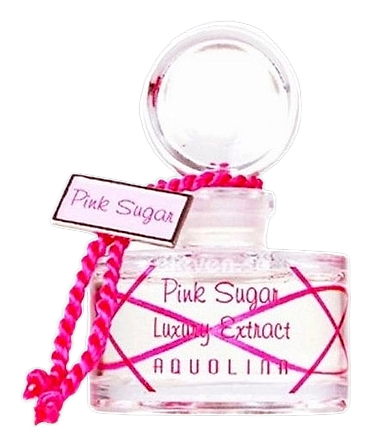
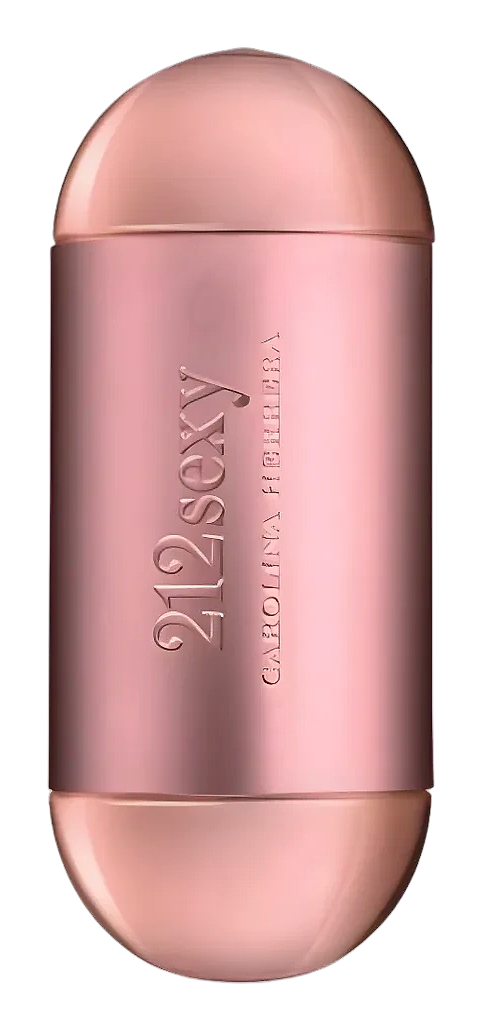
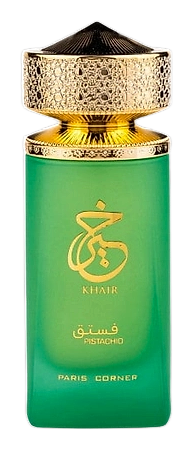
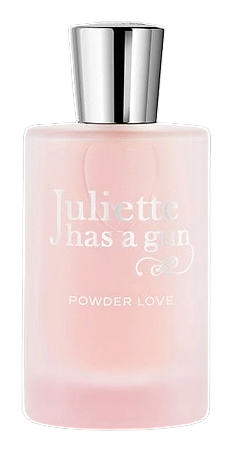
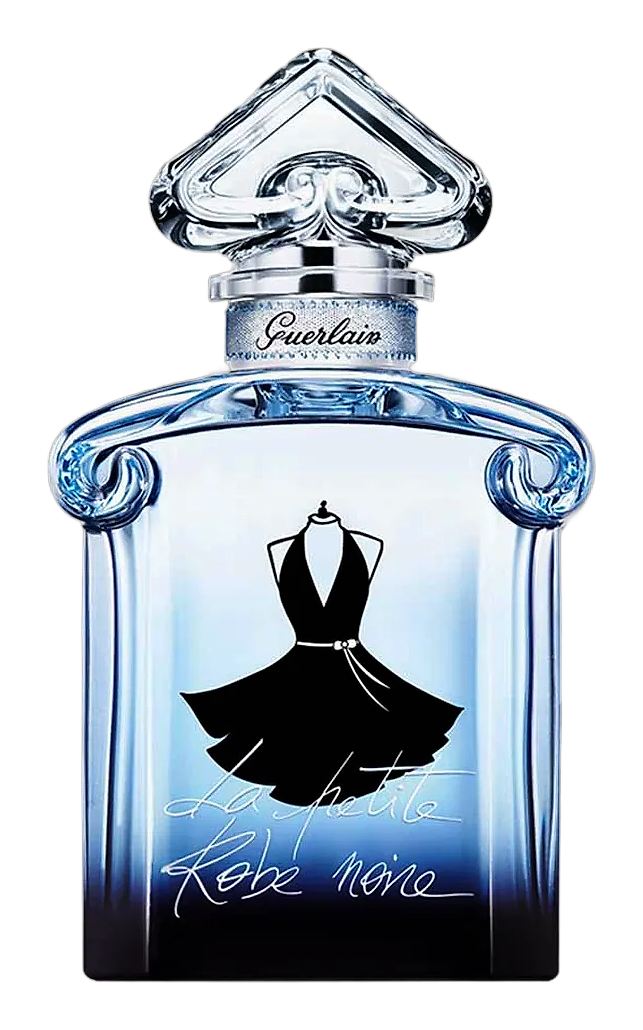
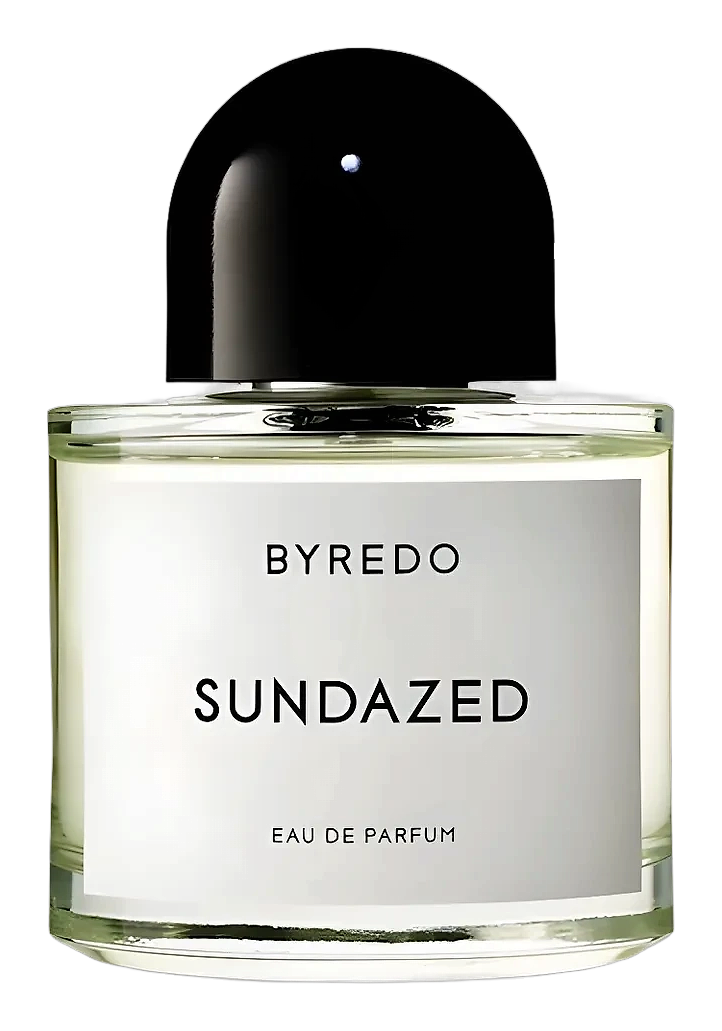
Fragrances featuring Cotton Candy


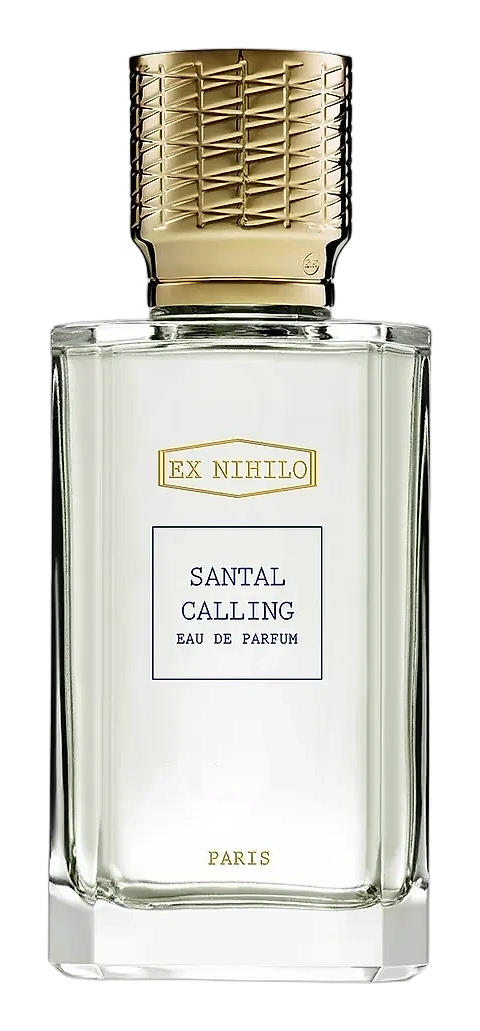

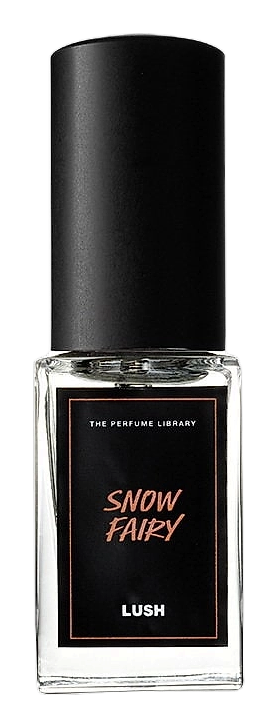
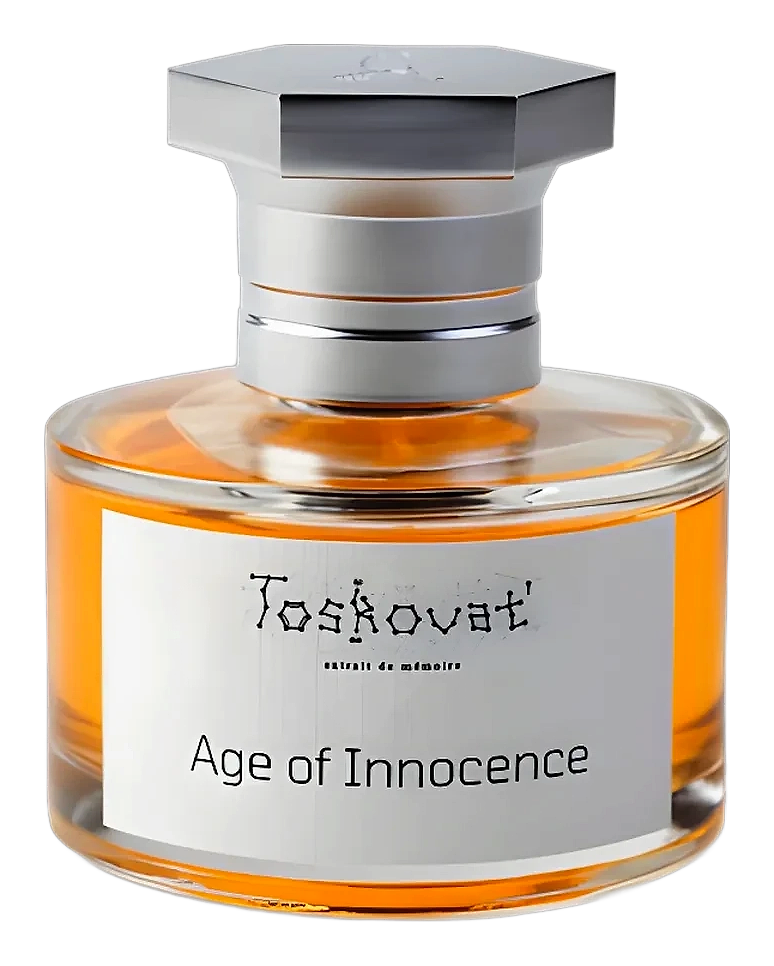
Brands
Brands known for Cotton Candy
Good to know
Questions, answered
The essentials on Cotton Candy in perfumery: how it smells, where it comes from, and how it behaves on skin.
How do perfumers create cotton candy notes?
Cotton candy in perfume is a reconstructed accord combining ethyl maltol, vanillin, and coumarin to mimic spun sugar’s sweet, airy character. Perfumers layer these compounds with fruit esters and warm musks to achieve that signature fairground aroma.
Is cotton candy a natural ingredient in perfumery?
No, cotton candy isn’t a natural ingredient. Perfumers synthesize its scent primarily from ethyl maltol, a compound also occurring naturally in strawberries and pineapples. They combine it with other aroma chemicals to recreate the confection’s full profile.
What fragrance families pair well with cotton candy?
Cotton candy works across gourmand, floral, and oriental families. It enhances vanilla and caramel notes in gourmand perfumes, adds playful sweetness to jasmine or rose compositions, and softens amber or sandalwood in oriental blends.
How long do cotton candy notes last on skin?
Cotton candy notes typically last 2-4 hours as heart notes. Their sweet, volatile character means they evolve quickly on skin, making them popular in seasonal or occasion-based perfumes rather than long-lasting signatures.
Which perfumes feature cotton candy as a key note?
Viktor & Rolf Bonbon pairs cotton candy with caramel, amber, and sandalwood for a modern gourmand profile. Jean Paul Gaultier’s Liberty combines it with tiare flower. Zara’s Candy Collection and Ariana Grande Sweet Like Candy also feature the note prominently.
Is cotton candy safe for sensitive skin?
Cotton candy accord is safe for skin use at standard concentrations. It contains no common allergens. As a synthetic construction, it’s vegan and cruelty-free, and perfumers use it widely within IFRA guidelines.
How does cotton candy differ from vanilla in fragrance?
Cotton candy sits in the gourmand family alongside vanilla and caramel but distinguishes itself through lighter, airier character. The accord can lean fruity via strawberry furanone, creamy via vanillin, or warm via coumarin depending on composition.
What should I layer with cotton candy fragrances?
Layer cotton candy fragrances with warm, woody, or spicy notes. Vanilla, sandalwood, amber, and tonka pair particularly well. Avoid pairing with aquatic or green notes, as they clash with the sweet, creamy character.