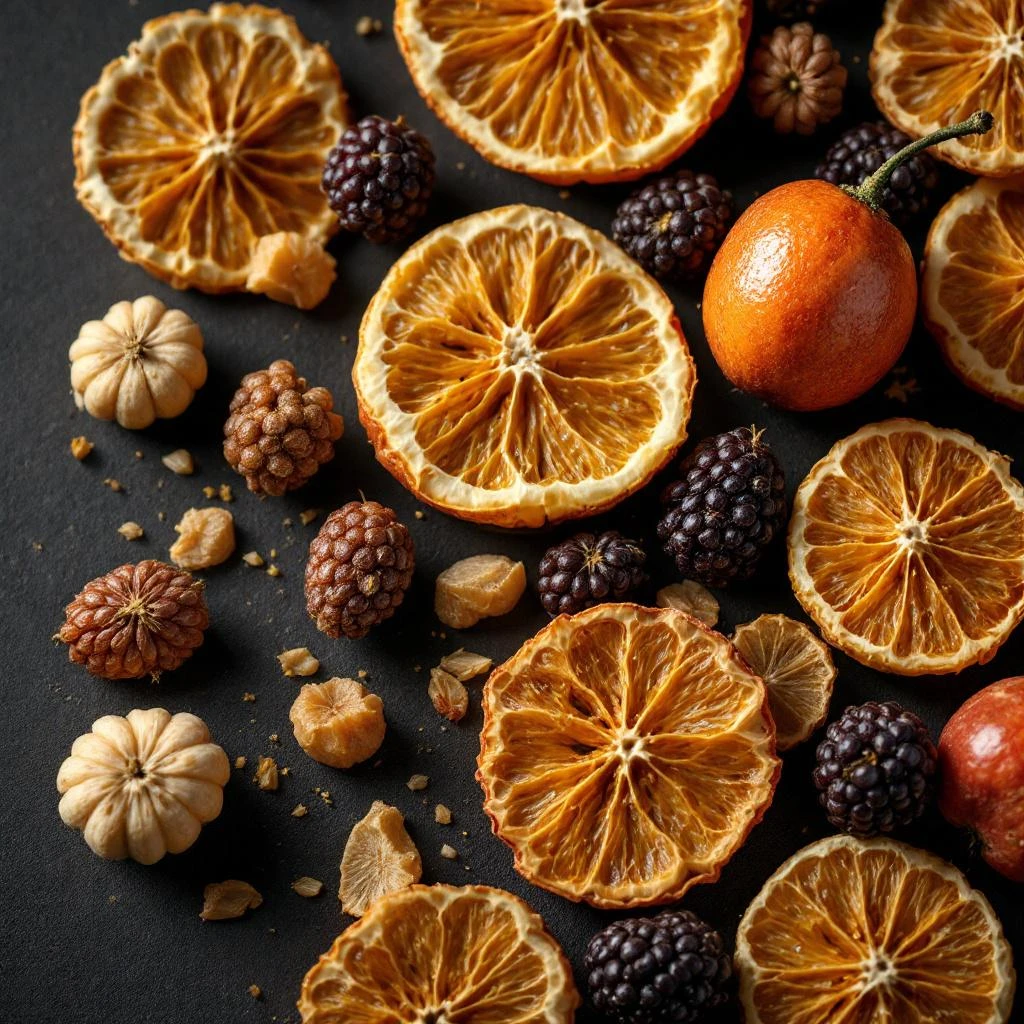
Forest Fruits
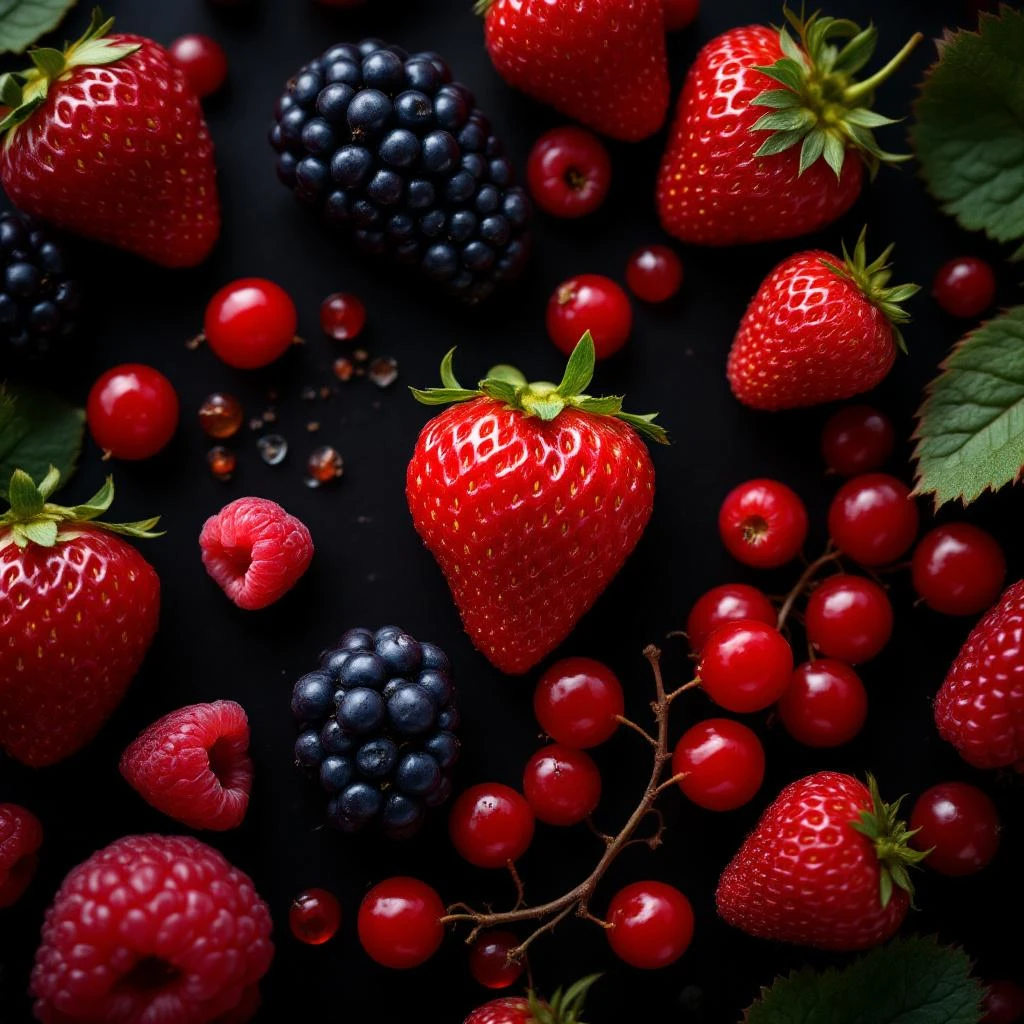
Forest Fruits capture the crisp, slightly tart aroma of wild berries and orchard harvests, adding a bright, natural sparkle to modern fragrances.
Character
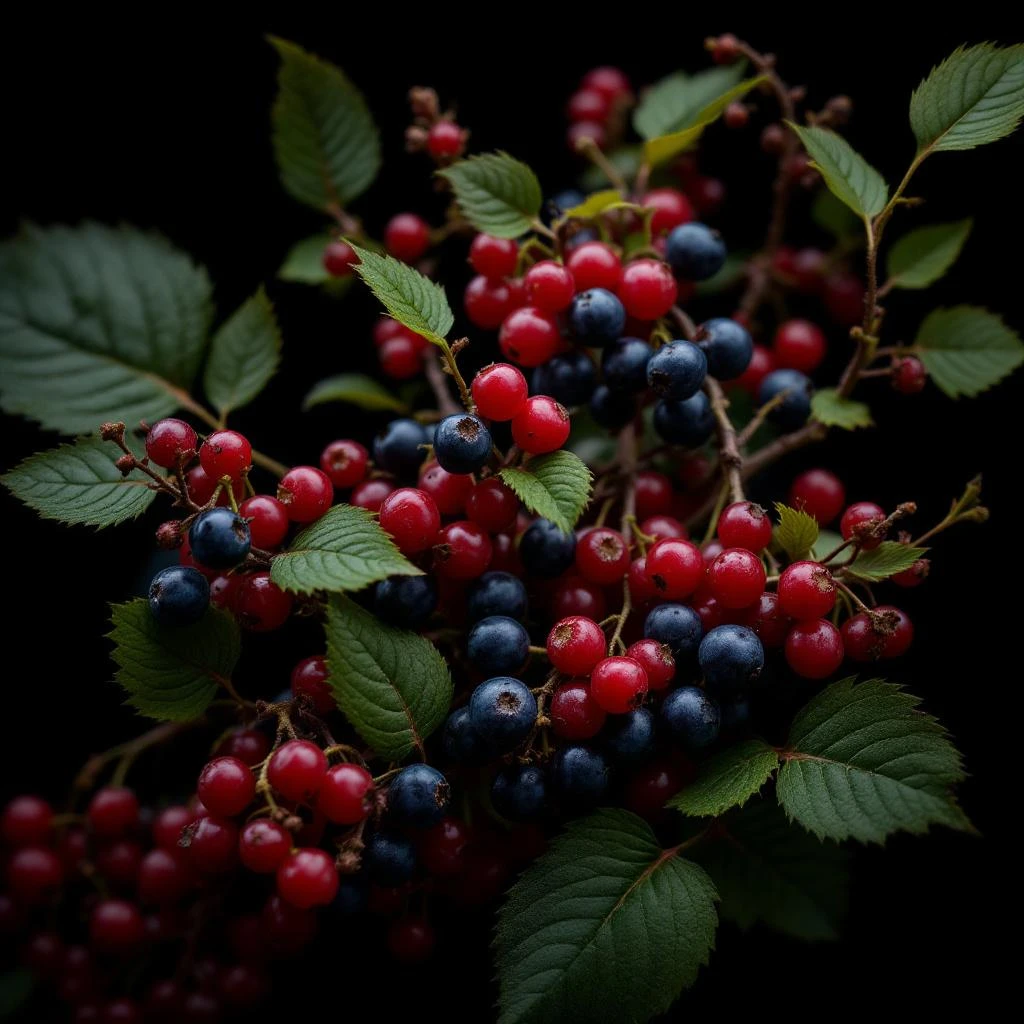
How it smells
Wild berries, fresh as dawn in the woods.
The first synthetic forest‑fruit accord appeared in 1968, allowing perfumers to reproduce the scent of hard‑to‑harvest berries year‑round.







Origin
France
Early herbalists used crushed forest berries to scent oils for medicinal balms, a practice recorded in medieval herbals across Europe. By the 18th century, French apothecaries blended wild strawberry and raspberry extracts into court fragrances, noting their uplifting effect. The industrial revolution introduced steam distillation, but fruit aromas proved too fragile for that method, prompting the rise of solvent extraction in the 19th century.
In the 1960s, chemists isolated raspberry ketone and replicated it synthetically, expanding the palette for perfumers worldwide. Today, forest fruit accords bridge traditional botanical sourcing with modern synthesis, keeping the scent alive in both niche and mainstream creations.
Wears it best
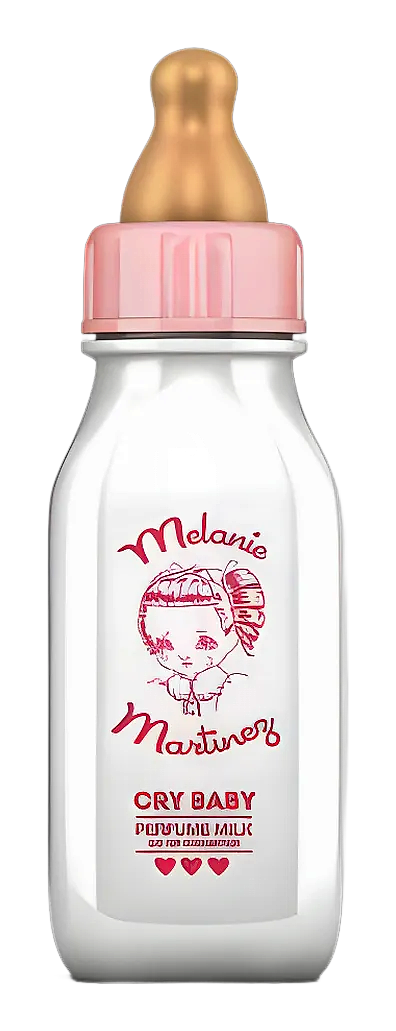
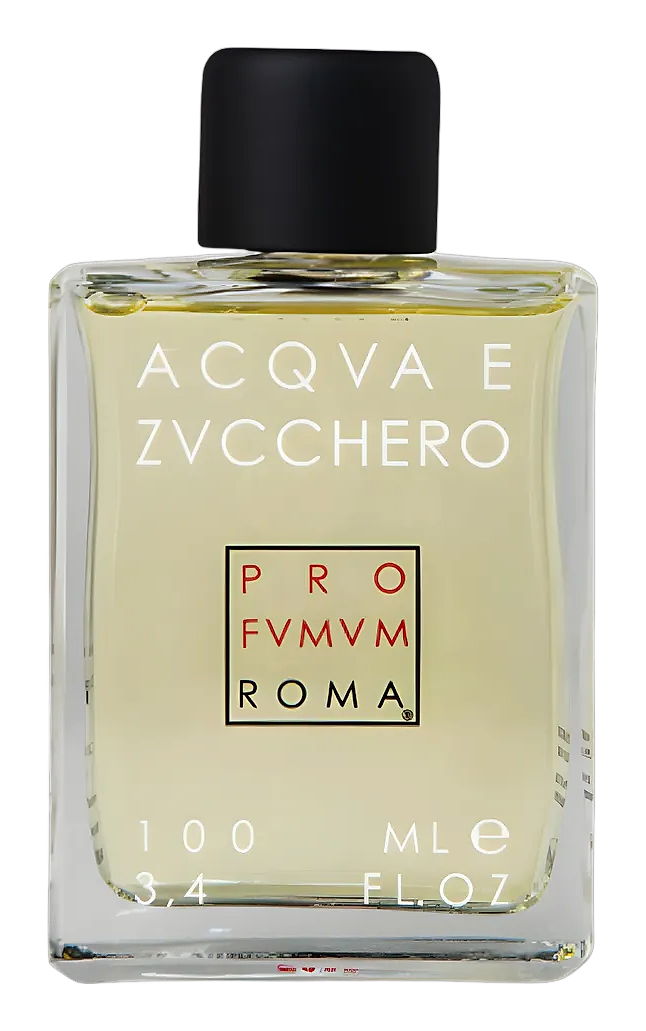
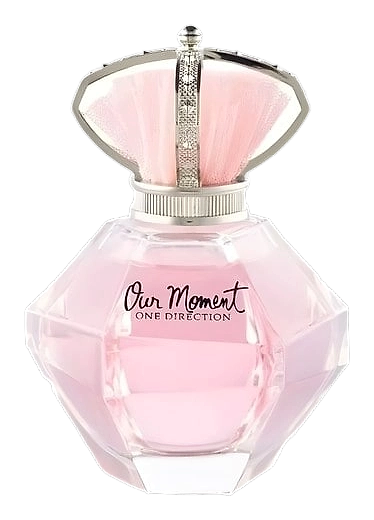
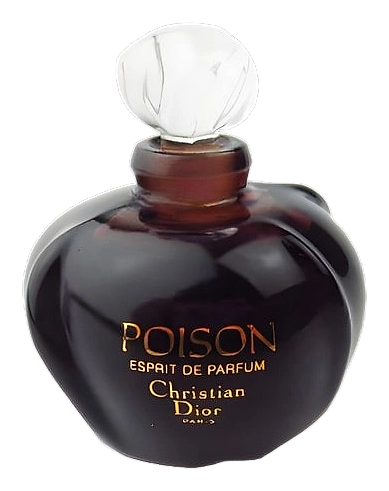
Fragrances featuring Forest Fruits

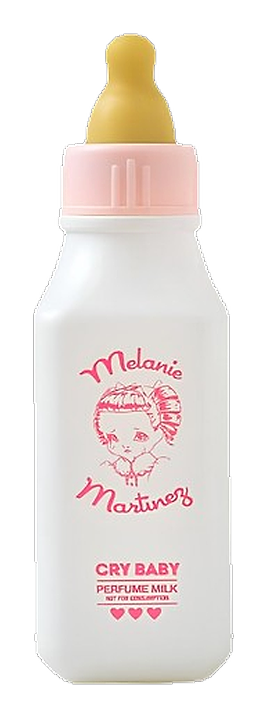
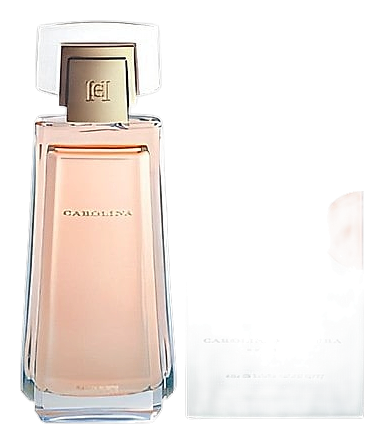
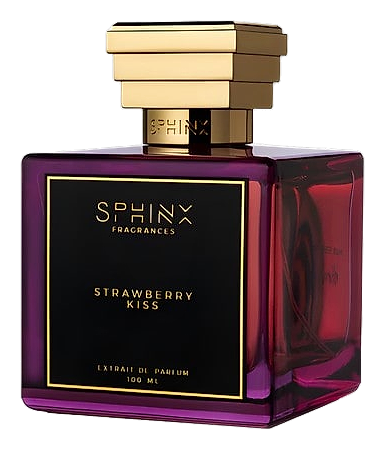
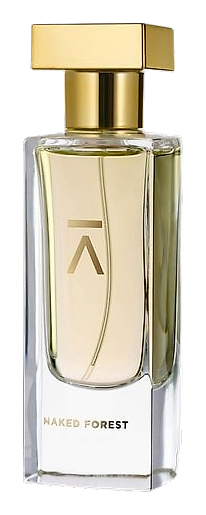
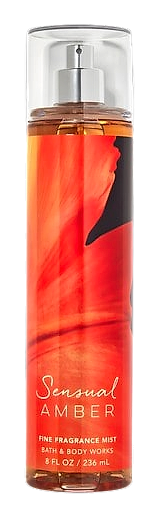
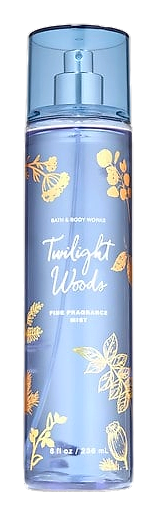
Brands
Brands known for Forest Fruits
Good to know
Questions, answered
The essentials on Forest Fruits in perfumery: how it smells, where it comes from, and how it behaves on skin.
What scent does the Forest Fruits note provide?
It delivers a bright, slightly tart aroma reminiscent of wild berries. A 2021 sensory panel measured its top‑note intensity at 6.8 on a 10‑point scale.
Are forest fruit extracts natural or synthetic?
Both appear in perfumery. Natural absolutes come from solvent‑extracted berries, while synthetic versions replicate key molecules. In 2020, 42% of market releases listed at least one synthetic forest‑fruit component.
Which extraction method preserves the green nuances best?
Supercritical CO2 extraction retains the freshest green facets. A 2019 study showed CO2‑derived forest fruit oil retained 15% more aldehydic compounds than ethanol extraction.
Can forest fruit notes be used in all fragrance families?
Yes, they blend well with floral, woody, and gourmand bases. In 2018, a leading fragrance house launched a chypre perfume where forest fruit accounted for 12% of the formula.
Do forest fruit ingredients cause skin irritation?
They are generally low‑risk, but some individuals react to natural absolutes. Patch‑test data from 2022 recorded a 0.3% irritation rate among 1,200 volunteers.
How long does a forest fruit accord last on the skin?
It typically fades within two to three hours as a top note. Laboratory evaporation tests in 2021 measured a half‑life of 85 minutes at 32 °C.
What are the main chemical markers of forest fruit aromas?
Key markers include ethyl maltol, raspberry ketone, and γ‑undecalactone. Gas‑chromatography in 2019 identified raspberry ketone at 0.45 µg/g in a standard forest fruit absolute.
Is the forest fruit note sustainable?
Sustainable sourcing is possible when wild harvesting follows certified guidelines. The 2023 FSC audit reported that 68% of French forest berry farms met sustainable harvest criteria.