The Story
Why it exists.
The beginning
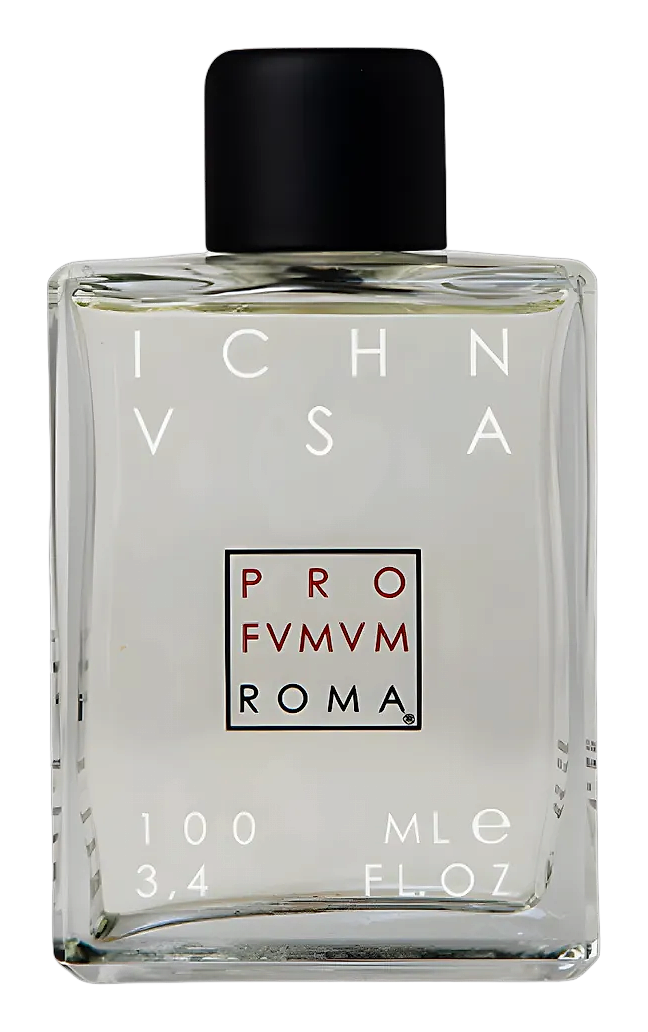
Ichnusa was the name the ancient Greeks gave to Sardinia, a word that meant something like 'footprint in the sea.' Long before it was a beer, before it was a travel destination, it was a landscape. Profumum Roma captured that: not the island as it exists now, but the island as a sensory idea. The herbs, the grass, the myrtle that grows between the rocks. Ichnusa was launched in 2001, one of the house's earliest explorations of what Italian perfumery could smell like when it stopped trying to impress and started trying to remember.
What makes Ichnusa work is the choice to build around the bitter, green parts of the fig plant instead of the fruit. Most fig fragrances chase the sweet, lactonic quality of ripe fig, creamy, slightly coconut. Ichnusa goes the other direction. Fig leaf and myrtle open sharp and camphoraceous. The grass note adds a cut-green quality that feels more meadow than perfume. Myrtle is the surprise: a Mediterranean herb most people know from liqueurs, lending a medicinal freshness that keeps the whole composition from getting soft. By the time the hay arrives in the drydown, the fragrance has traveled from wild hillside to harvested field, and the shift feels earned, not constructed.
The evolution
Ichnusa opens with immediate authority. Fig leaf and myrtle arrive crisp, almost astringent, the smell of green things crushed between fingers. There's no sweetness here, no soft opening. The grass note kicks in quickly, pushing the composition toward something herbaceous and outdoor. For the first hour, this is at its most assertive: green, fresh, slightly medicinal. The heart phase softens the edges. Fig tree introduces itself as a quieter presence, not the creamy fruit, but the woody, slightly bitter structure of the plant. Myrtle persists, but the camphor fades into something more herbal. The grass recedes into the background, becoming atmosphere rather than statement. This is where Ichnusa settles into its skin: still green, still fresh, but no longer announcing itself. The drydown is where patience pays off. Fig wood and hay arrive late, really late, after four or five hours, and they bring warmth the opening lacked. The hay note is the tell: it smells like something left out in the sun, slightly dry, slightly sweet in the way only dried grass can be.
Cultural impact
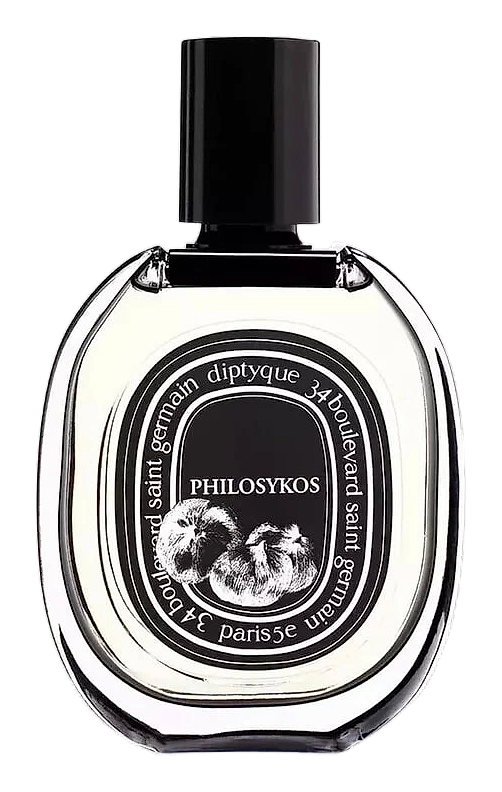
Ichnusa occupies a specific corner of the green fig category: not the sweet, lactonic fig of Philosykos or Premier Figuier, but the bitter, herbal fig of the whole plant. Wearers who approach it expecting a typical fig fragrance often describe a recalibration, this is fig as landscape, not fig as dessert. The longevity is a consistent highlight: 8-10 hours means it outperforms most niche fragrances in its class. The moderate sillage keeps it personal rather than announcing, which makes it a strong candidate for everyday wear rather than special occasions. Among green fig fragrances, it stands apart for its herbal intensity and its willingness to stay bitter rather than sweet.