Fig Wood
Softer than cedar, creamier than sandalwood. Fig wood brings a quiet warmth to perfumery—the mineral-sweet whispers of Mediterranean groves captured in a single note. This overlooked part of the Ficus carica holds secrets perfumers are only beginning to unlock.
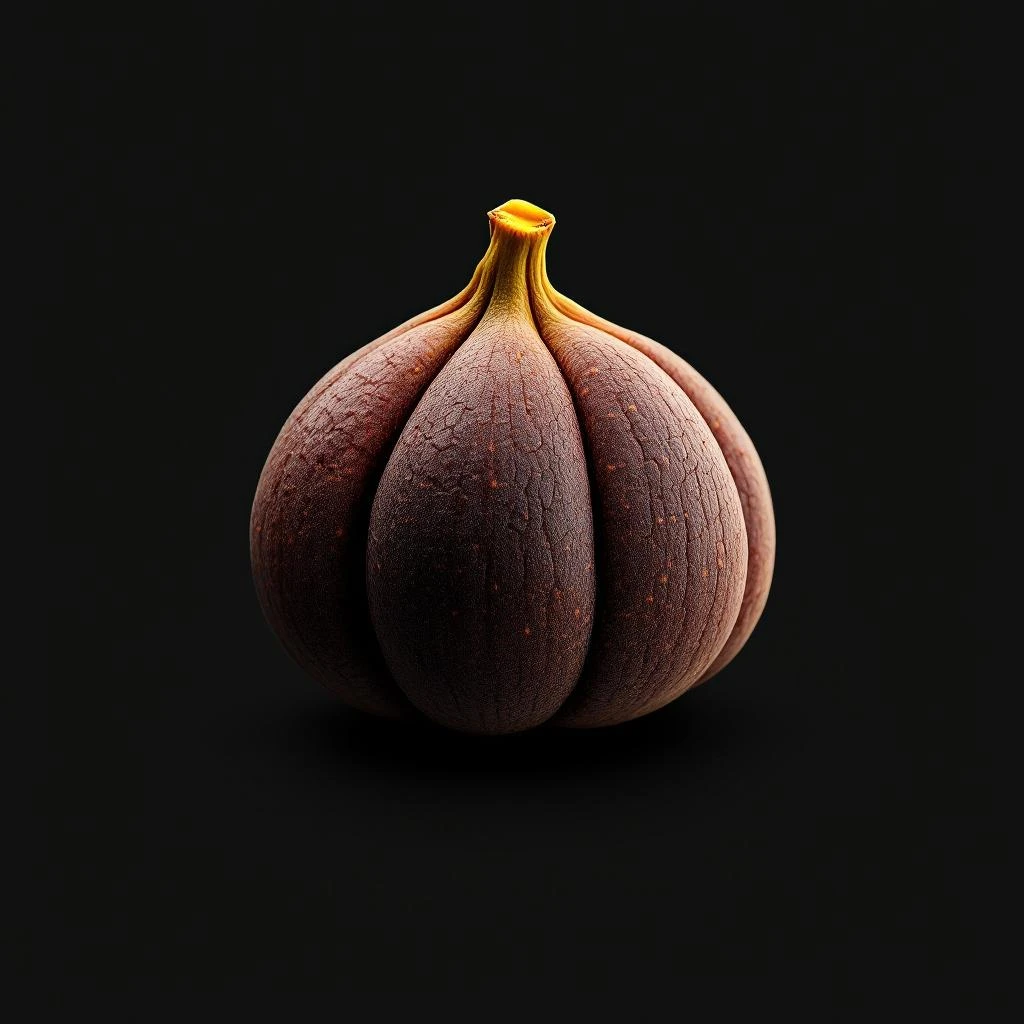
Character
How it smells
Mediterranean whispers in creamy white wood
Fig entered contemporary perfumery prominently in the 1990s, when a wave of green and aquatic fragrances reimagined what a modern scent could be.






Origin
Greece
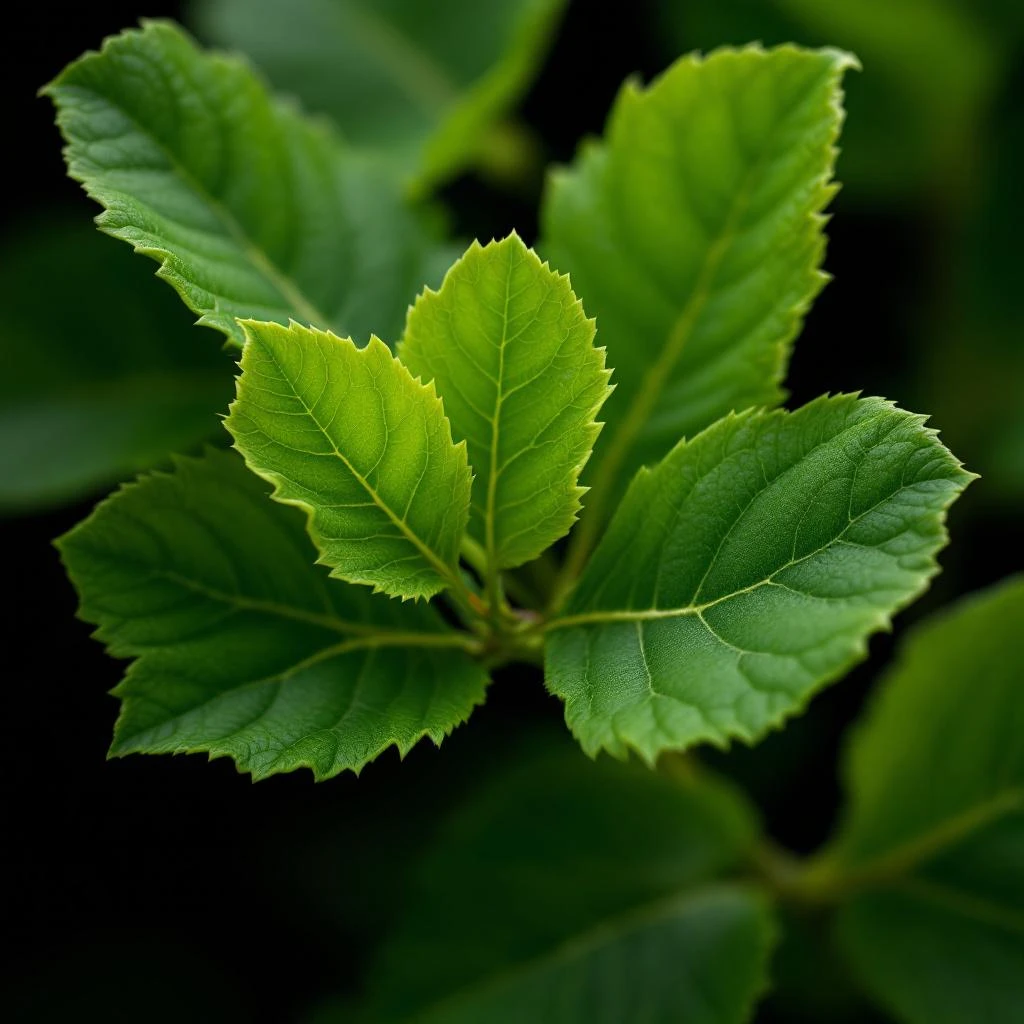
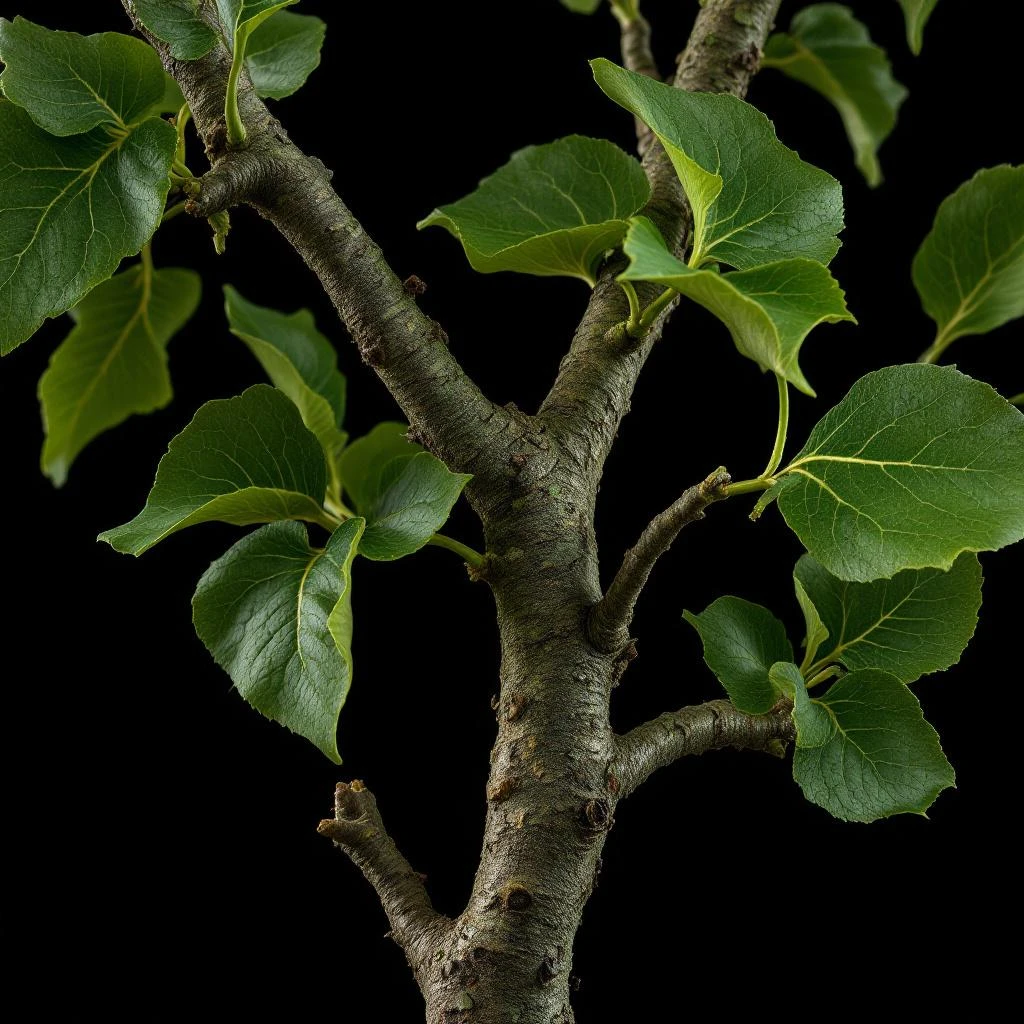
Few ingredients in perfumery carry the historical weight of the fig tree. Archaeological evidence places human fig cultivation as far back as 10,000 to 9,400 BCE, making it among the earliest domesticated plants in human history. Ancient Egyptians recognized the fig tree's sacred qualities, incorporating its leaves and wood into religious ceremonies and funerary rituals.
Hieroglyphic records document fig-based preparations used by priests in temple practices. The ancient Greeks and Romans elevated the fig tree to a symbol of abundance and wisdom. Greek mythology links the fig to Dionysus and silenus, while Roman naturalists like Pliny documented the tree's medicinal and aromatic properties.
Both civilizations used fig leaves and wood in their daily lives, from perfuming living spaces to creating aromatic oils for bathing. This Mediterranean heritage shaped fig's identity as a scent of sun-drenched landscapes and rustic abundance. The fragrance of figs remains deeply associated with Provençal living: sunlit orchards, long lunches in shaded gardens, and the timeless charm of Mediterranean tradition.
Wears it best
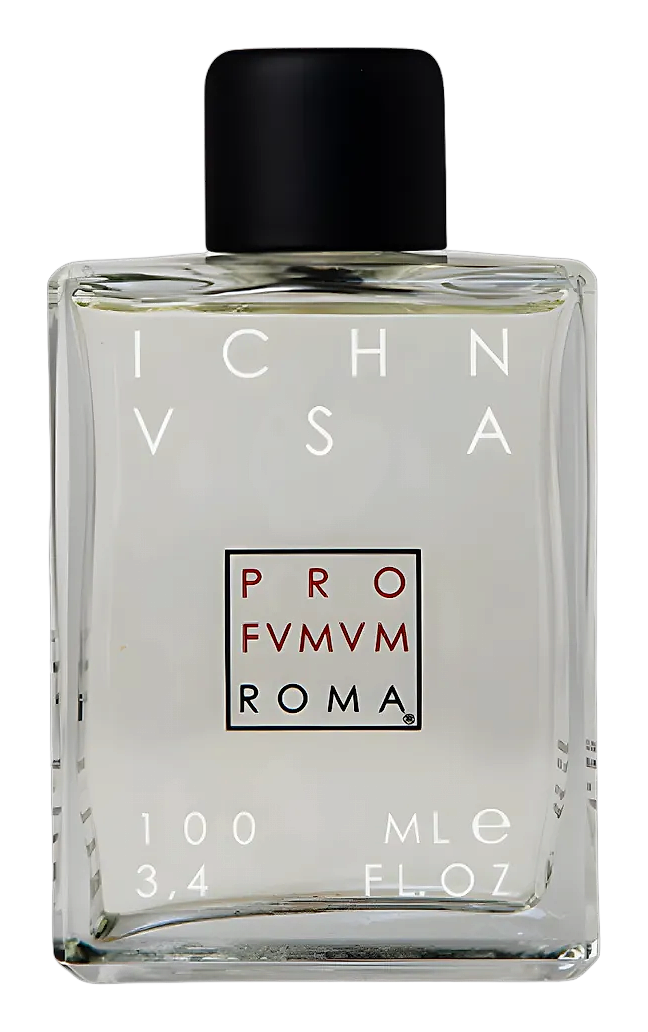
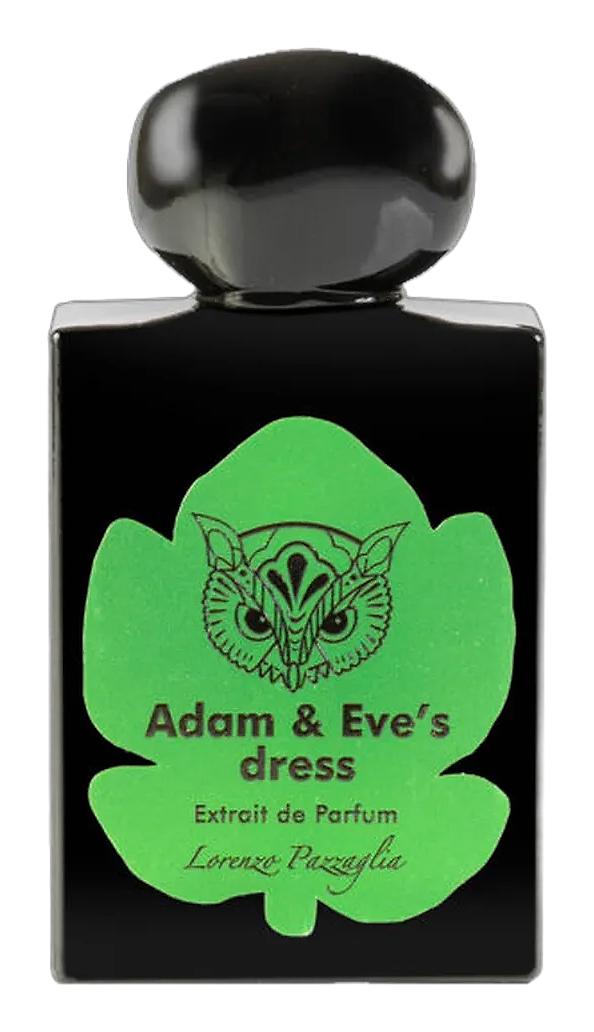
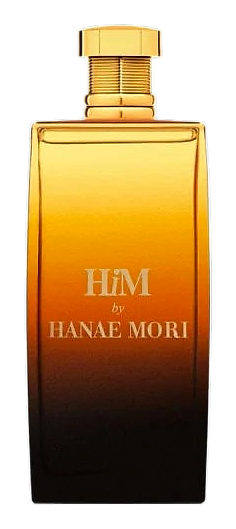
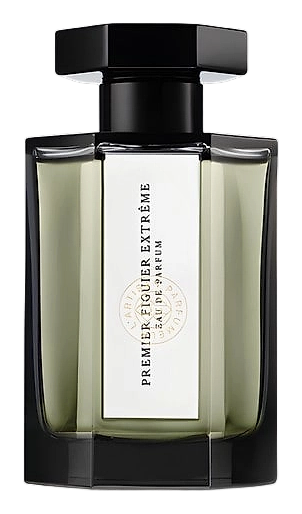
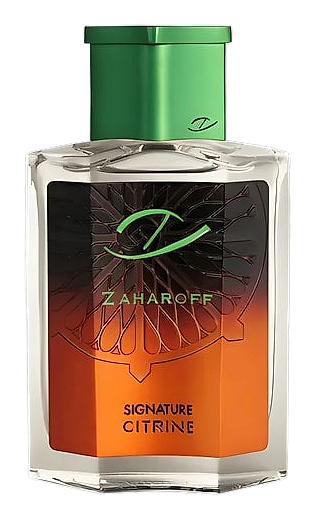
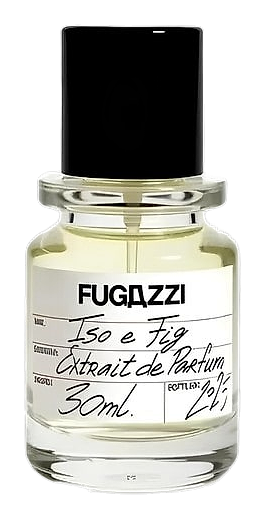
Fragrances featuring Fig Wood

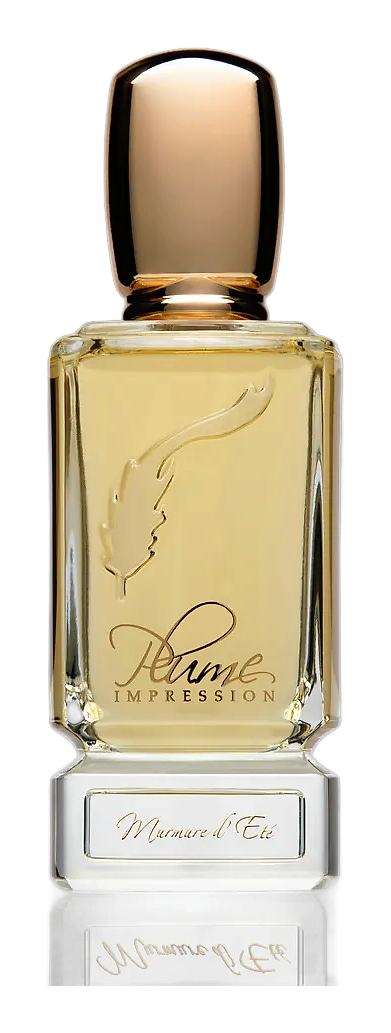
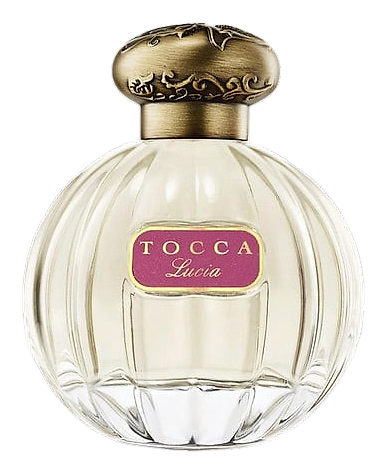
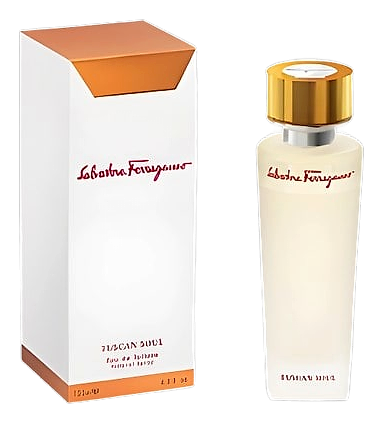
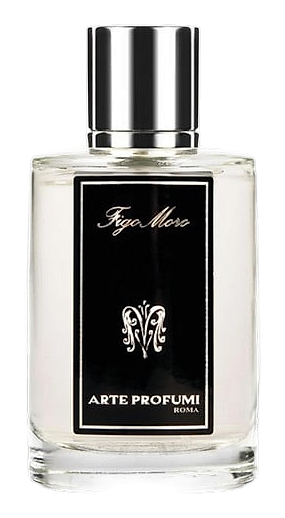
Brands
Brands known for Fig Wood
Good to know
Questions, answered
The essentials on Fig Wood in perfumery: how it smells, where it comes from, and how it behaves on skin.
What is fig wood in perfumery?
Fig wood refers to the bark and heartwood of the Ficus carica tree, valued for its creamy, powdery, and musky scent profile. Perfumers use it as a base note that adds quiet warmth and depth to compositions.
What does fig wood smell like?
Fig wood offers a warm, mineral-sweet aroma softer than cedar and less sharp than most woody notes. It has creamy, almost powdery undertones with subtle musky warmth that evokes Mediterranean landscapes.
How is fig wood extracted for fragrance use?
Due to low natural oil yield, fig wood typically undergoes solvent extraction to produce a limited absolute. Most fig wood accords combine this natural material with synthetic molecules like delta-decalactone for consistency.
What is the historical significance of fig in perfumery?
Ancient Egyptians used fig tree components for religious ceremonies, while Greeks and Romans prized the entire tree for aromatic and culinary purposes. Archaeological evidence shows fig cultivation dates to approximately 10,000 BCE.
Where does fig wood originate from?
The common fig tree (Ficus carica) originates from the Mediterranean basin, where Greece, Turkey, Italy, and southern France remain primary growing regions with ideal terroir for cultivation.
What distinguishes fig wood from other fig notes?
Fig wood provides quiet, grounding warmth as a base note, unlike the bright green intensity of fig leaf or the sweet lactonic character of fig fruit. It functions as a subtle anchor rather than a commanding presence.
Is fig wood a natural or synthetic ingredient?
Authentic fig wood absolute exists but remains rare due to low oil yield. Most modern fig wood accords combine natural extracts with synthetics like delta-decalactone and stemone to achieve reliable, high-quality results.
What makes fig wood unique among woody notes?
Unlike cedar or sandalwood, fig wood carries an unusual creamy, powdery quality that blends warmth with softness. It adds volume without weight, making it particularly valuable in modern fragrance construction.