The Story
Why it exists.
The beginning
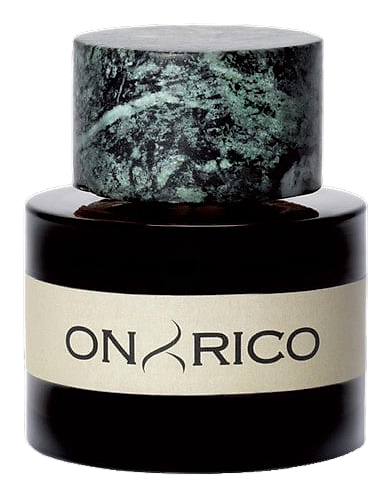
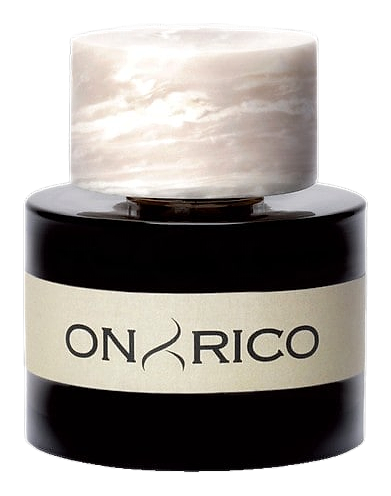
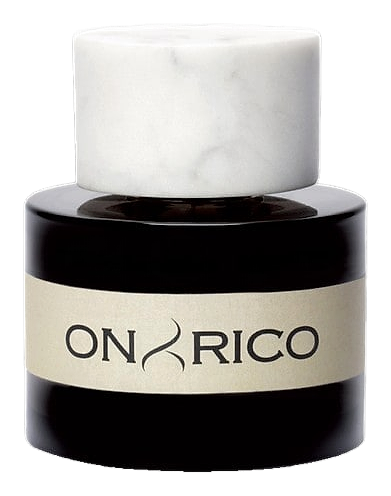
Michelangelo Buonarroti lived to nearly 90, an extraordinary age for his era, and spent those years carving genius from inert stone. He saw the finished work before the first cut, the muscle and tendon waiting inside the block. Onyrico named this fragrance for that act of visionary patience. Released in 2015 by perfumer Maurizio Cerizza, Michelangelo takes its cue from the Tuscan landscape that shaped its namesake: the fig trees, olive groves, and cypress lines of Arezzo's countryside, where the Renaissance master's family roots run deep. The fragrance doesn't announce itself. It reveals, slowly, the way Michelangelo revealed the David.
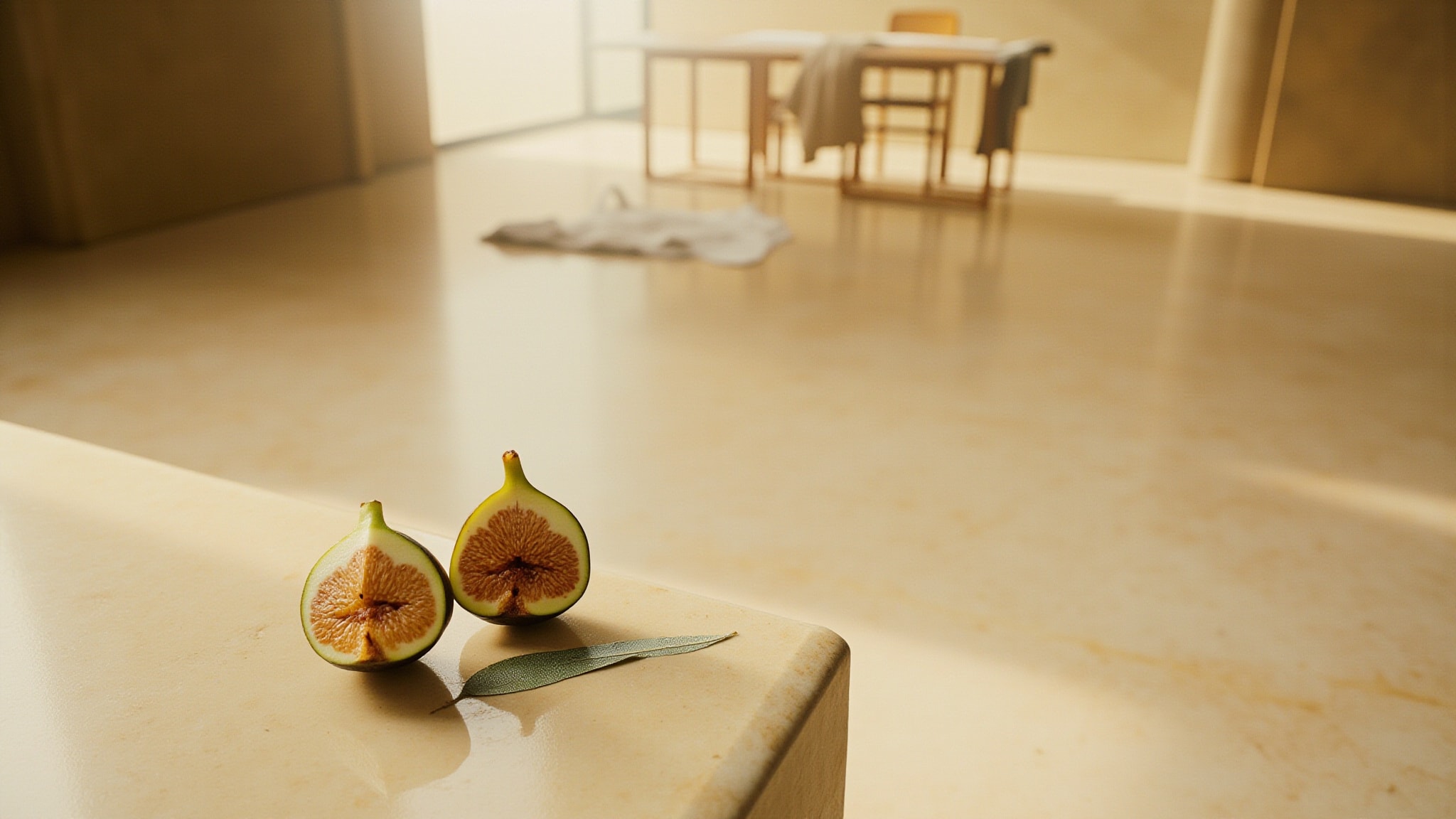
What makes Michelangelo structurally unusual is its relationship to the fig note. Here, fig doesn't arrive as a sweet, creamy body, it enters green and almost herbal, threaded through galbanum and olive leaf before the wood takes over. That green fig character, supported by the slightly bitter artemisia and the waxy floral lift of magnolia and hyacinth, keeps the heart from settling into something predictable. The cypriol in the base is the real wildcard. Also called nagarmotha, this earthy, smoky material appears rarely in Western perfumery. When it combines with the latex warmth of fig wood, the result is neither the typical Mediterranean fig nor the standard woody oriental.
The evolution
The opening hits bright and slightly tart, grapefruit, bergamot, and a green bitterness from the artemisia that cuts through the citrus before it can turn sweet. The marigold is subtle, more golden than floral. Within twenty minutes, the fig emerges, but it's not the fleshy fruit of a fig candle. It's green, slightly milky, threaded with the herbal cut of galbanum and olive leaf. The incense hovers at the edge, more suggestion than smoke. Around the two-hour mark, the composition shifts. The fig wood becomes structural, and the cypriol starts to breathe through the base, earthy, almost tar-like, with a faint tobacco warmth that catches you off guard. The woods layer underneath: cedar, vetiver, and patchouli forming a dry, Mediterranean foundation. What lingers? Fig wood and cypriol, quiet and close to the skin, still present eight hours in on most skin types.
Cultural impact
Michelangelo occupies an unusual position in the fig fragrance conversation, it doesn't belong to the sweet, creamy Mediterranean fig tradition that dominates the category. Instead, it channels the green, herbal character of the fig tree itself, combined with an earthy, smoky base built around cypriol, a material more common in Indian perfumery than Italian. That cross-cultural structural choice, Tuscan landscape, Indian root, gives the fragrance a quiet distinctiveness that sets it apart in a crowded niche market.