The Story
Why it exists.
The beginning
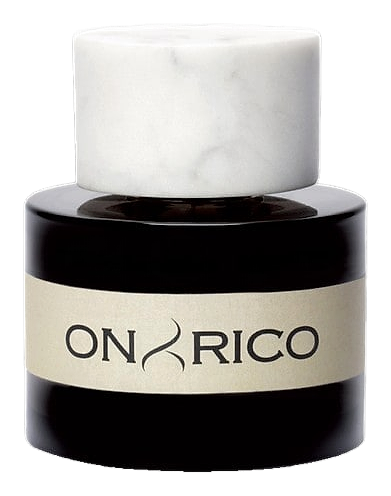
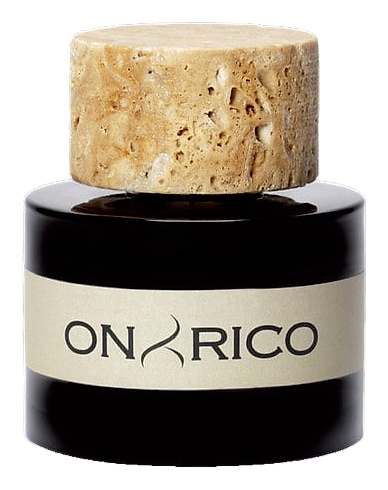
Tau takes its name from the tau cross, the humble wooden cross that St. Francis of Assisi carried through the Umbrian hills, a symbol of peace and brotherhood that outlasted empires. Maurizio Cerizza designed this fragrance around that same quiet authority. Not grand gestures. Just presence. The name alone carries centuries of meaning, and Cerizza built the composition to honor it, a scent that doesn't shout, but holds its ground.
The structure pairs mastic resin, that piney-green, Mediterranean note, with leather's tactile warmth. Juniper berries amplify the forest imagery while black pepper and red chilli add a subtle heat that builds without announcing itself. In the base, oakmoss brings earthiness, labdanum contributes a sweet balsamic depth, and cedar cleans everything up at the edges. Birch adds a smoky mineral quality, patchouli the earthy bass note underneath. It's a fragrance that smells like forest after rain, not pristine, but honest. The kind of scent that belongs outdoors, but wears well indoors too.
The evolution
The opening announces itself quickly, pine and juniper cutting through, bergamot lifting the air just enough, clary sage threading herbal nuance beneath. Within twenty minutes the leather arrives, not sharp but warm, like the inside of an old jacket. The heart settles into mastic and geranium, geranium keeping things from going too heavy with a green-floral freshness. Black pepper and red chilli emerge around the 30-minute mark, a warmth that builds slowly. Then the base takes over, oakmoss with its earthy-mossy, slightly animalic quality, labdanum adding sweet resinous warmth, cedar bringing clean dry wood, birch lending a smoky mineral edge, and patchouli providing deep earthy richness. The drydown lasts for hours. Intimate sillage means you're the only one who notices by the end of the workday, close enough to smell when someone leans in, present enough to leave a memory.
Cultural impact
Tau stands apart in niche perfumery by not chasing trends. Rather than following the oud or ambroxan wave that dominated the mid-2010s, it draws from an older, quieter tradition, the aromatic woods and herbal notes of Mediterranean landscapes. It's the kind of fragrance that attracts people who've grown tired of loud openings and want something that earns attention through subtlety.