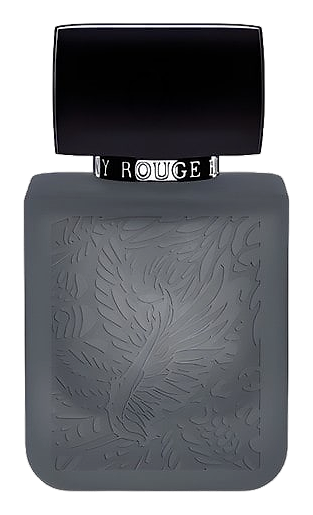

The Story
Why it exists.
The beginning
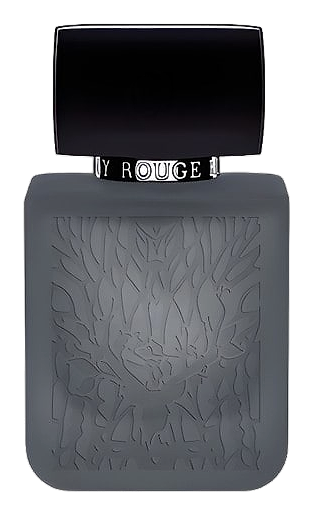
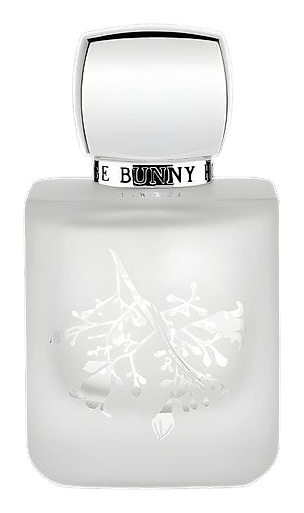
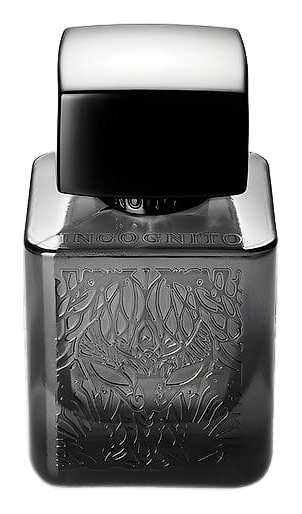
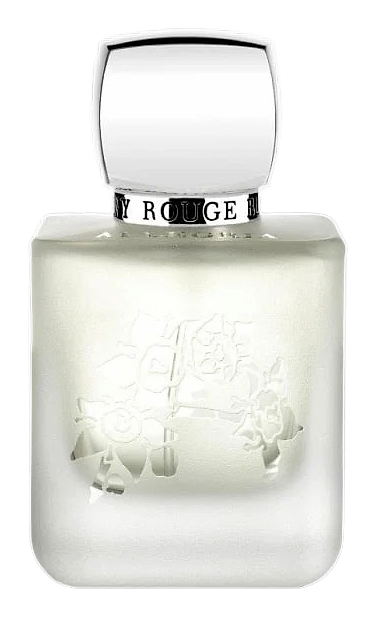
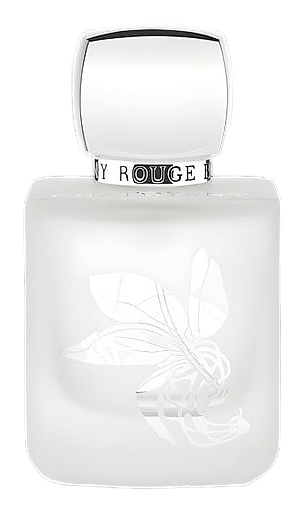
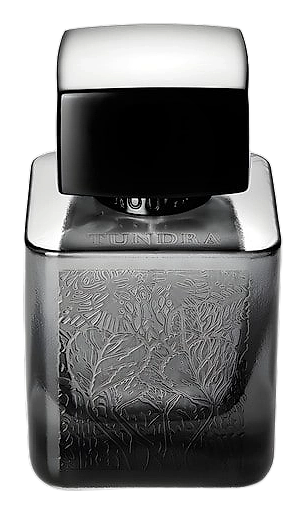
The Provenance Tales collection invites wearers into imagined worlds, and Tundra is Alexandra de Montfort's portal into the Far North. Her vision: the brief, explosive beauty of arctic spring, that narrow season when winter finally surrenders and the tundra explodes with life. Green shoots through snow. Pale lichen on cold stone. The first berries pushing through frozen ground. Nathalie Lorson translated this into a composition that moves from sharp, cold opening to warm woody heart, capturing the paradox of a landscape that is both harsh and alive. Released in 2014 as part of the Provenance Tales series, Tundra represents the brand's belief that fragrance can function as daily entry into beautiful fictions, olfactory narratives that transport wearers to places they may never visit but can inhabit through scent.
What makes Tundra unusual is its refusal to resolve into either cold or warm. The opening delivers exactly what the name promises, juniper, pink pepper, and bay leaf create an aroma that reads as cold, almost mineral, like the first breath of spring air. But the heart introduces nutmeg and patchouli, warm spices that seem to contradict the opening's chill. The paradox doesn't resolve, it deepens. By the drydown, cedar, moss, and vetiver create a forest-floor character that is simultaneously woody-warm and earth-cool. This tension is the fragrance's signature.
The evolution
The opening hits cold and stays cold. Bergamot and juniper arrive together, sharp and green, with pink pepper providing a slight sting. Bay leaf adds an aromatic depth that keeps the citrus from reading as clean or soapy. The fragrance is at its coldest here, a bracing intensity that feels crisp and uncompromising. Violet emerges quietly, softening the edges of the juniper. Elemi adds a faint resinous warmth. Patchouli settles in, earthy and grounding, and for a moment the fragrance seems to be heading somewhere warm and conventional. Then the base takes over, and everything changes. Cedar arrives dominant, dry, clean, structurally sound, but moss and vetiver are right there with it, adding an earthy depth that keeps the wood from reading as polished or furniture-like. Musk stays close to the skin, warm and animalic without being heavy.
Cultural impact
Tundra occupies a specific niche: the person who wants fragrance to function as experience rather than statement. The brand's theatrical imagination and literary positioning attracts wearers who resist easy categorization, people drawn to the idea of wearing a landscape rather than a mood. Within the indie fragrance world, Tundra has earned recognition for its distinctive cold-to-warm arc and its refusal to resolve cleanly into either category.
The House
Rouge Bunny RougeRouge Bunny Rouge is a Moscow-based fragrance and cosmetics house founded by Alexandra de Montfort, who serves as Creative Director. The brand occupies a distinctive position in contemporary perfumery, treating scent as an expressive medium rather than a commercial product. Each fragrance functions as an olfactory narrative, inviting wearers into imagined worlds drawn from myth, nature, and the subconscious. The house operates with deliberate restraint, releasing new compositions sparingly rather than pursuing constant market expansion. This approach has cultivated a devoted following among collectors and fragrance enthusiasts who value artistic integrity over industry trends.
The Creator
Nathalie LorsonWoody notes are definitely a signature for Lorson, often combined with a touch of spice or sweetness to create depth and complexity. She has a knack for balancing contrasting elements, like dark and light, masculine and feminine, resulting in fragrances that are both intriguin…