The Story
Why it exists.
The beginning
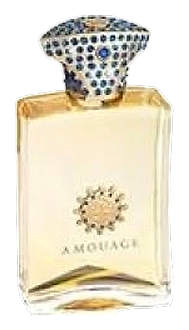
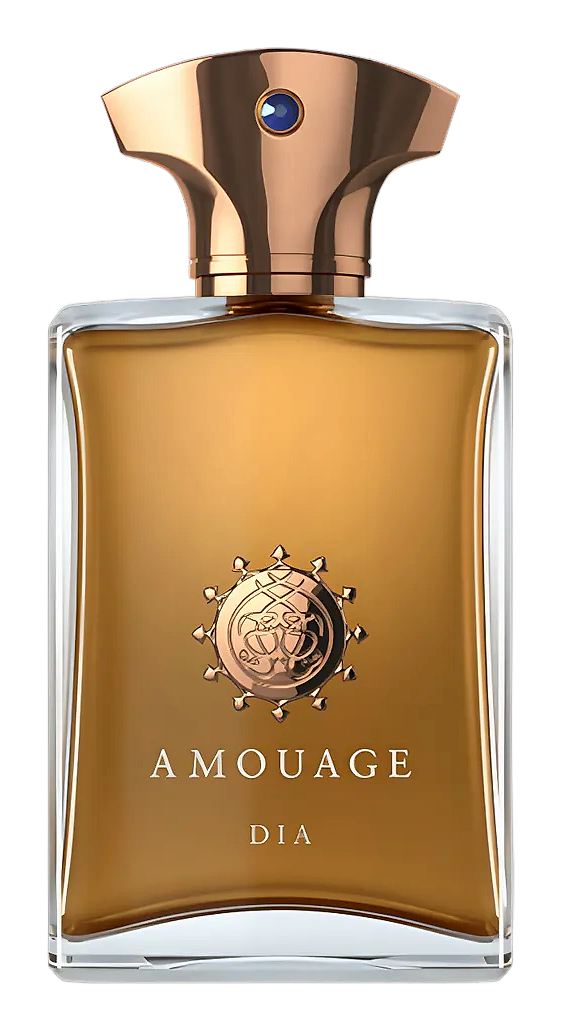
In 2002, Amouage approached Jean-Claude Ellena with an open brief. The house had already established itself as the gold standard in Arabian perfumery, opulent and unapologetic. Gold represented the house's vision at its most luxurious. Ellena's task was to create something complementary rather than competitive. The solution was a daytime chypre that maintained Amouage's signature quality while embracing restraint. Ellena, already known for his minimalistic approach, accepted the challenge of working within Omani tradition while applying French technique to an entirely different aesthetic. The commission was not about adding more. It was about achieving more with less.
The notes reflect Ellena's philosophy of restraint and intentionality. Cardamom and bitter orange provide an immediate aromatic spark without overwhelming. The florals are deliberately restrained, chosen not for impact but for subtlety. Iris, in particular, serves a structural function, providing powderiness that bridges the opening and base. Frankincense grounds the composition in Omani tradition, while leather and vetiver establish a formal, masculine character. The result is a fragrance where every note serves a purpose. The composition demonstrates that Amouage's quality does not require abundance. It requires intention.
The evolution
Dia Man unfolds through distinct phases, each building on the last. The opening introduces cardamom and bitter orange with immediate aromatic and citrus brightness, softened quickly by frankincense and labdanum's resinous warmth. The transition to the heart occurs gradually, with plum blossom and peony emerging first, followed by iris lending its characteristic powdery restraint. Ylang-ylang adds a touch of tropical warmth without disrupting the refined character. The drydown reveals itself around the fourth hour, with vetiver providing earthy grounding. Rosewood contributes warm woodiness, while leather emerges as a structural element, giving the composition its formal, vintage character. Patchouli and amber complete the arc with lingering darkness and warmth that endure for hours.
Cultural impact
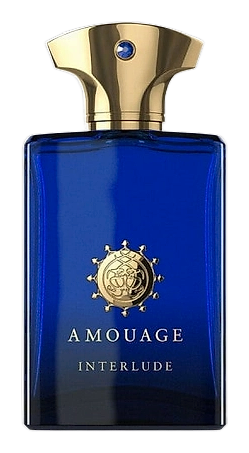
Dia Man has lived quietly in the shadow of Amouage's louder releases, the Jubilation line, the Interlude variations, the opulent flankers that dominate conversation. But among those who wear it regularly, the fragrance has developed a loyal following precisely because it doesn't perform. It arrives, it settles, it lasts. The incense-peony pairing was unusual in 2002 and remains so now, floral-forward compositions with a smoky backbone are still relatively rare. For many wearers, Dia Man represents the house at its most restrained: confident enough to be subtle.