Plum Blossom
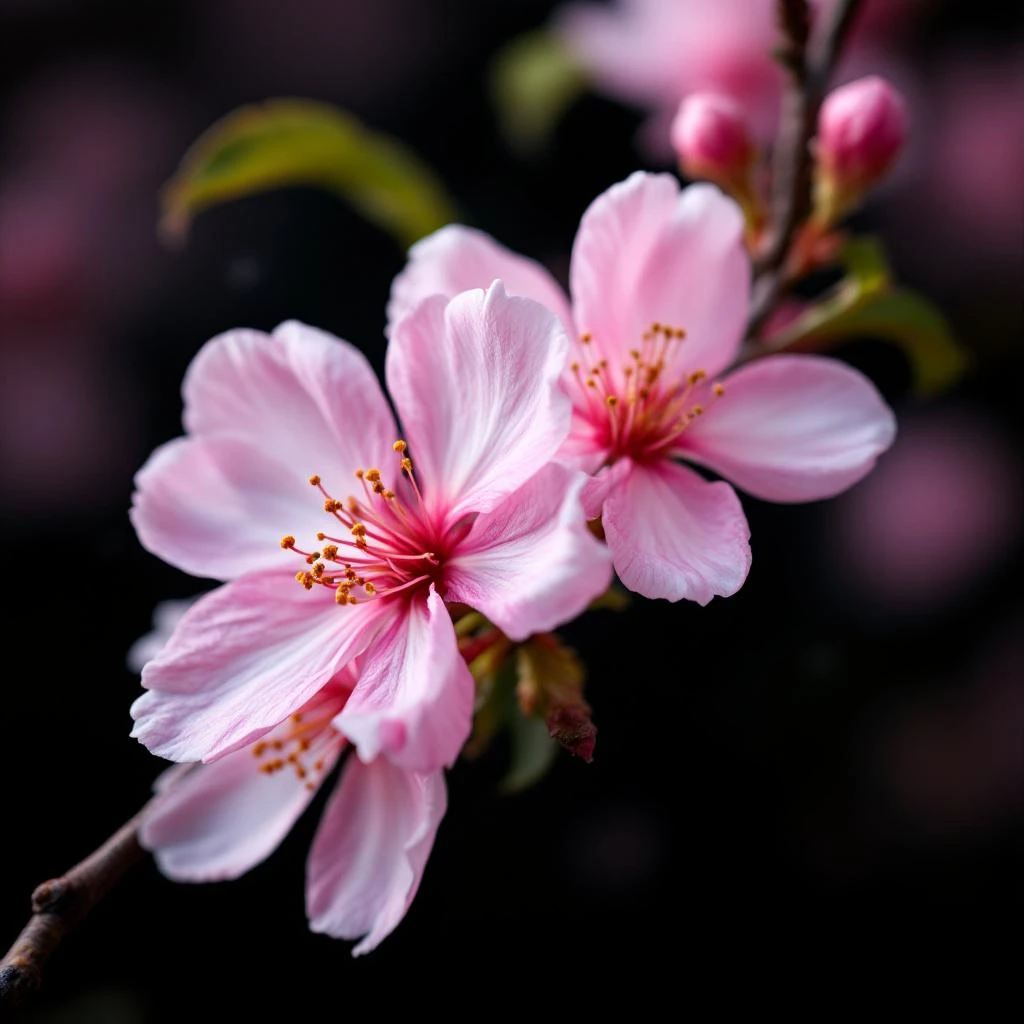
Plum blossom offers a crisp, slightly sweet aroma that hints at early spring, blending fresh green notes with a faint almond undertone, evoking the delicate petals of the Asian Prunus mume.
Character
How it smells
Spring’s first whisper captured in a blossom.
Plum blossom oil can be produced by macerating fresh buds in jojoba oil, a method patented in Japan in 2005, yielding a natural fragrance that retains the flower’s subtle almond nuance.







Origin
China
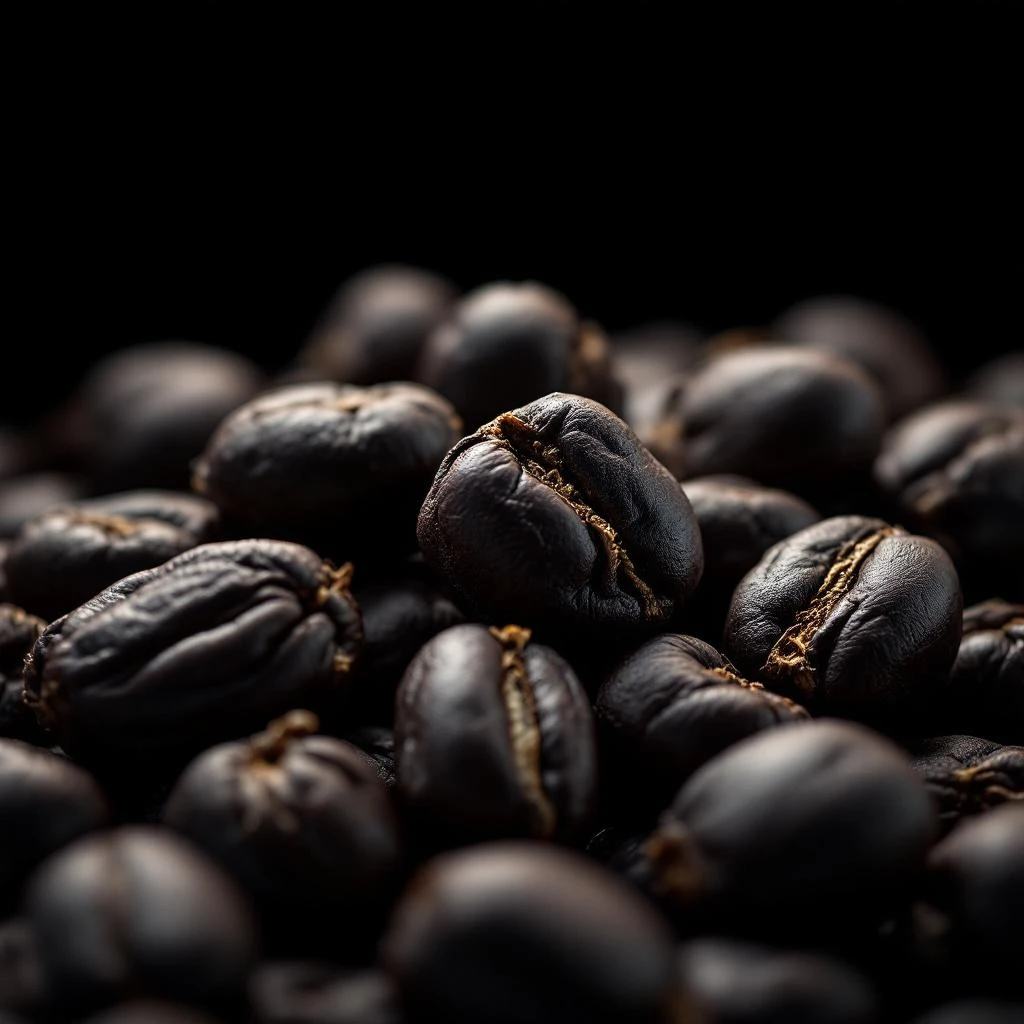
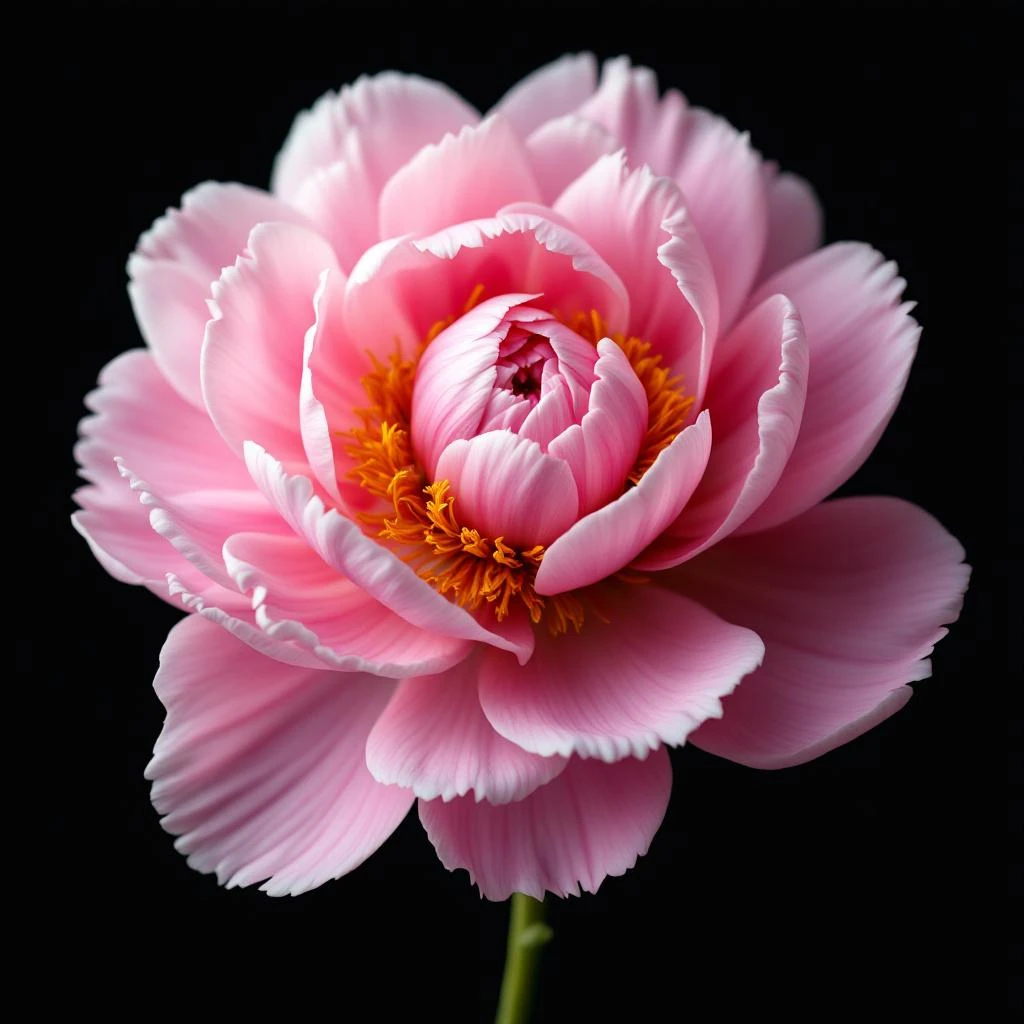
Plum blossom has long symbolized resilience and renewal in East Asian culture, appearing in Chinese poetry as early as the Tang dynasty. Historical records show that monks burned dried plum buds as incense during the Song period, valuing the subtle fragrance for meditation.
By the late 19th century, Japanese artisans began experimenting with plum blossom in courtly perfumes, mixing the flower’s essence with sandalwood and amber to create refined scents for the aristocracy. The practice spread to Korea, where the blossom featured in royal court rituals and seasonal festivals.
In the early 20th century, Western perfumers discovered plum blossom through trade routes, incorporating it into niche floral compositions that emphasized its green‑almond character. Today, the note remains a staple in modern niche perfumery, prized for its ability to evoke early spring without overwhelming sweetness, linking contemporary creations to centuries of cultural reverence.
Wears it best
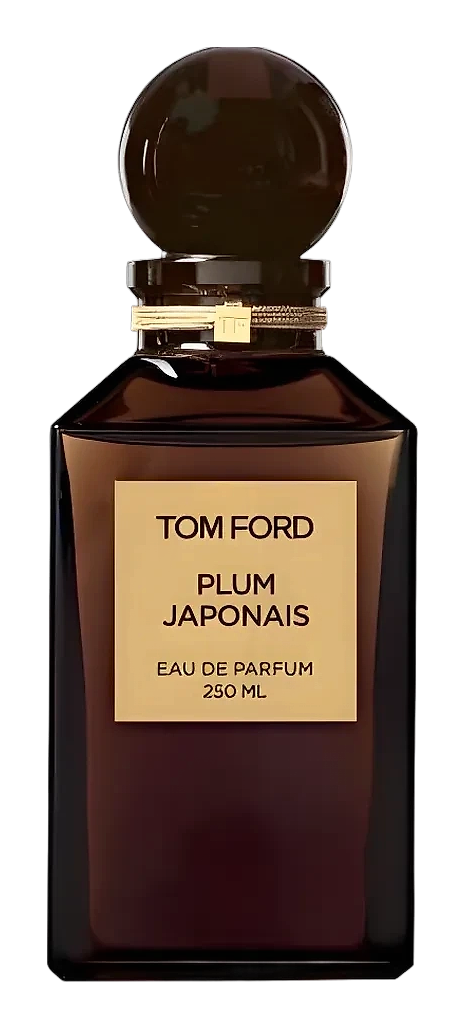
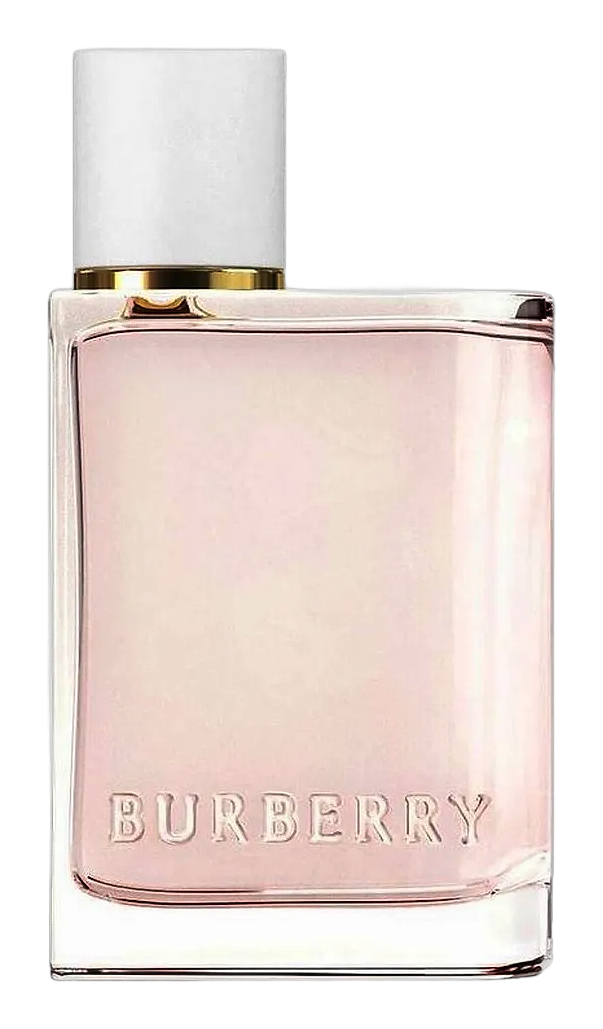
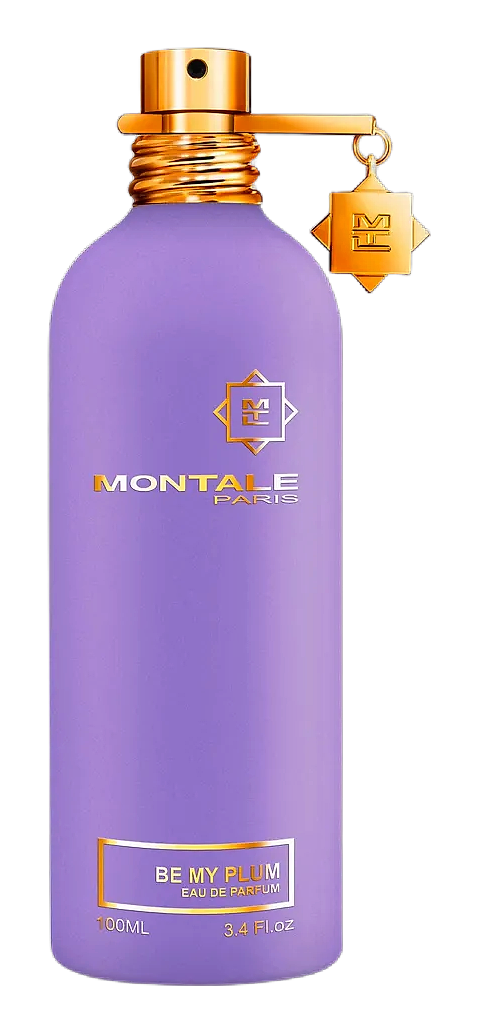
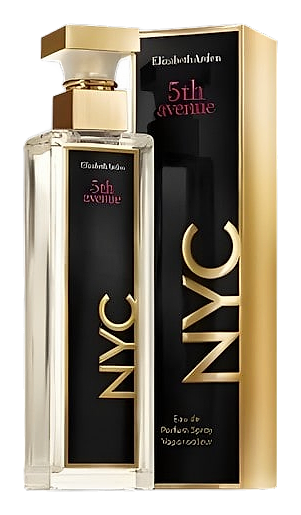
Fragrances featuring Plum Blossom


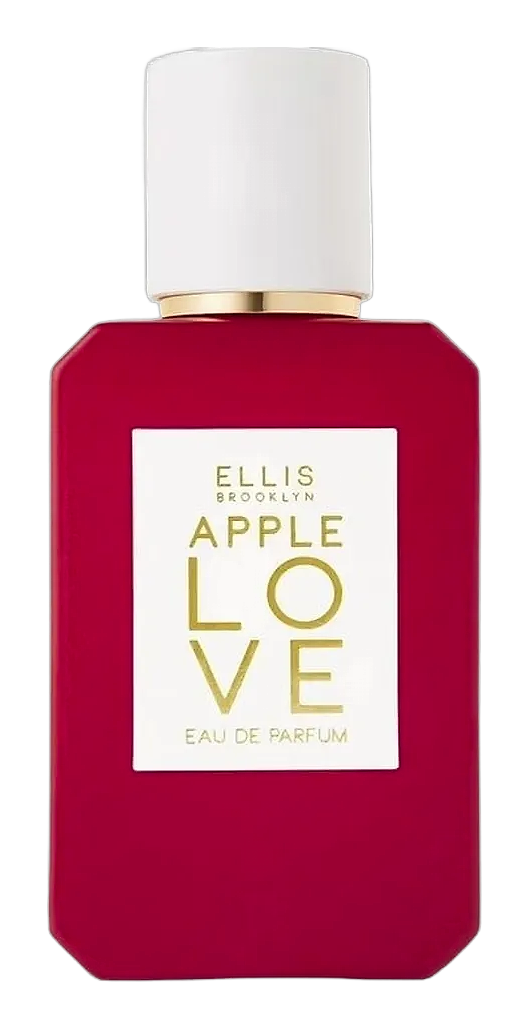
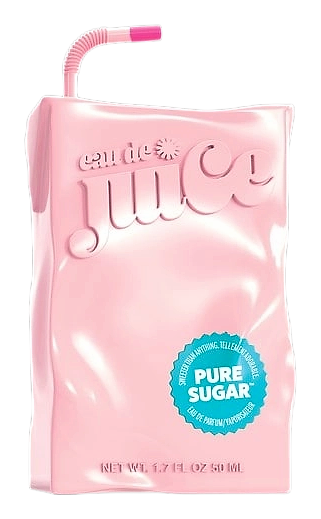
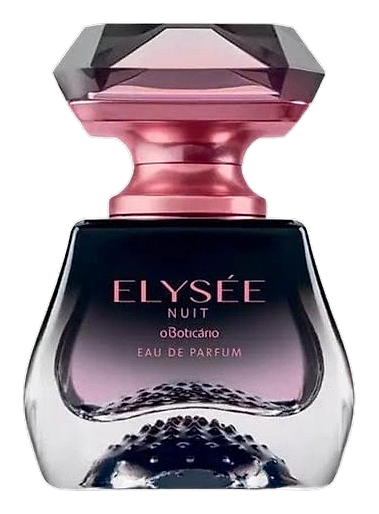
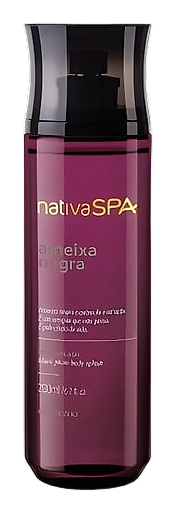
Brands
Brands known for Plum Blossom
Good to know
Questions, answered
The essentials on Plum Blossom in perfumery: how it smells, where it comes from, and how it behaves on skin.
What primary scent character does plum blossom provide?
Plum blossom delivers a fresh, green‑floral scent with a faint almond‑like sweetness. A 2020 sensory panel measured its top note intensity at 3.2 on a 5‑point freshness scale. The note persists for up to eight hours in a standard ethanol base, according to stability testing.
How is plum blossom oil extracted?
Maceration in a carrier oil extracts plum blossom oil. The Japanese patent JP2005097219A describes immersing fresh buds in jojoba oil at 45 °C for 72 hours, yielding a 0.8 % oil concentration. The mixture filters after extraction, and the resulting absolute blends into perfume bases without further refinement.
Which countries supply plum blossom for perfumery?
China supplies the majority of plum blossom material used in modern perfumery. In 2022, Chinese growers exported 1,200 kg of dried plum buds to fragrance houses, according to the International Floral Trade Report. Japan and South Korea contribute smaller batches, primarily for niche artisanal blends.
Does plum blossom have any traditional medicinal uses?
Traditional Chinese medicine employs plum blossom to soothe respiratory irritation. The 2018 Chinese Pharmacopoeia lists the flower as a mild expectorant, citing a study where a 5 % plum blossom infusion reduced cough frequency by 22 % in a trial of 30 patients.
Are there allergen concerns with plum blossom?
Plum blossom rarely triggers allergic reactions, but its trace benzaldehyde can affect sensitive individuals. A 2019 patch‑test survey recorded a 0.3 % positive response to plum blossom extracts among 1,500 participants. Manufacturers often limit the concentration to below 0.5 % in final blends to mitigate risk.
How stable is plum blossom aroma over time?
Plum blossom retains its fresh character for several months in alcohol solutions. Stability testing at 25 °C showed less than 10 % loss of top‑note intensity after six months, per a 2021 fragrance lab report. Encapsulation in a cyclodextrin matrix can extend this period to a year.
Can plum blossom be synthetically reproduced?
Chemists replicate plum blossom’s scent using synthetic benzaldehyde and green‑leaf aldehydes. A 2017 study demonstrated that a blend of 70 % synthetic benzaldehyde and 30 % (Z)-3-hexen-1-ol matched natural plum blossom in blind tests with 85 % accuracy. However, the synthetic version lacks the subtle almond nuance of the natural extract.
What typical usage level does plum blossom have in a perfume?
Perfume formulators typically use plum blossom at 0.2 %–0.5 % of the total composition. A 2020 formulation guide recorded a median inclusion rate of 0.35 % across 120 modern floral blends. Higher concentrations can overwhelm the composition, while lower levels provide a fleeting top‑note lift.




