The Story
Why it exists.
The beginning
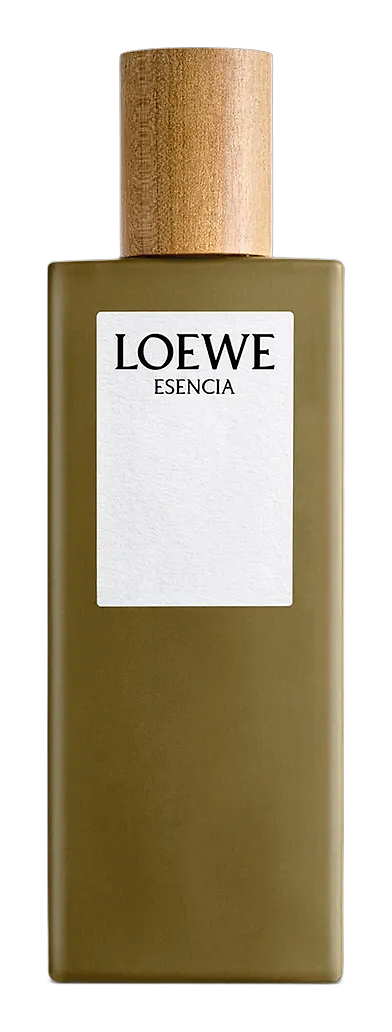
Loewe introduced Esencia in 1988. The composition was built around the fougère structure, a framework that had long served masculine fragrance. Rather than following the sweet or aquatic directions popular at the time, Esencia favored a distinctly herbal and green character, with resinous undertones that gave it an almost medicinal quality. The fragrance carried a certain seriousness, an impression of materials chosen for their substance rather than their immediate appeal. It asked something of the wearer, rewarding attention over instant gratification. The overall effect was of a scent that felt considered rather than calculated, substantive rather than performative.
The strategic choice was the top notes. The opening of galbanum, green notes, and juniper makes an immediate impression, but it does so without ostentation. Galbanum brings a sharp, almost bitter quality that is deeply herbal rather than bright. It invites the wearer to lean in rather than project outward. The juniper adds a cool, coniferous dimension that grounds the green character, preventing it from becoming purely vegetal.
The evolution
The opening arrives with a certain quietness, almost anonymity. Galbanum cuts through first, green and slightly unresolved, followed by lavender that softens the edges. There is juniper in the top, a cool conifer note that brings sharpness and cleanliness with mineral depth underneath. As the composition moves forward, the heart begins to assert itself. Jasmine and rose arrive together, an unusual pairing that keeps both florals from going sweet. Clary sage sits underneath, adding a slight bitterness that suggests actual herbs rather than a sweetened interpretation. The green quality never fully leaves the fragrance, evolving through the heart without disappearing. By the time the base emerges, cedar and sandalwood arrive first, building out a woody warmth.
Cultural impact
Esencia pour Homme arrived in 1988 as a Spanish masculine fragrance with a classical fougère architecture rooted in green, herbal, and aromatic materials. Its commitment to these classical structures positioned it as a distinctive offering, particularly when measured against the aquatic and power-masculine trends that dominated the era. The composition predates the niche fragrance revival by two full decades, yet its structural integrity and focus on intimate sillage anticipated what enthusiasts would later seek in artisanal perfumery.