The Story
Why it exists.
The beginning
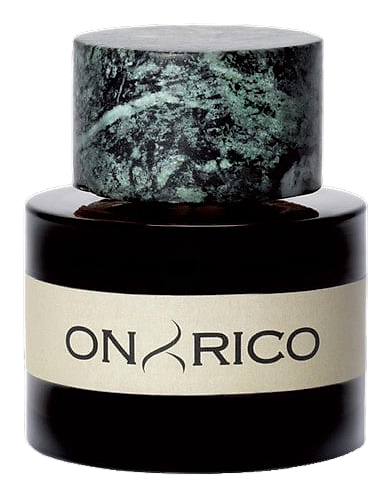
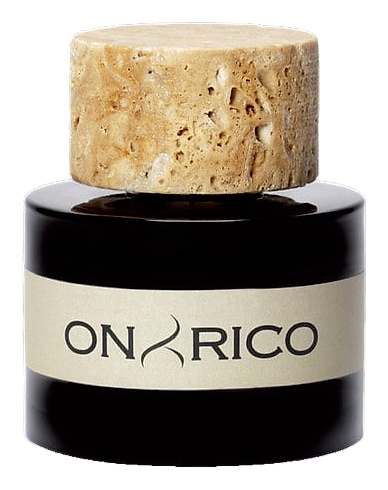
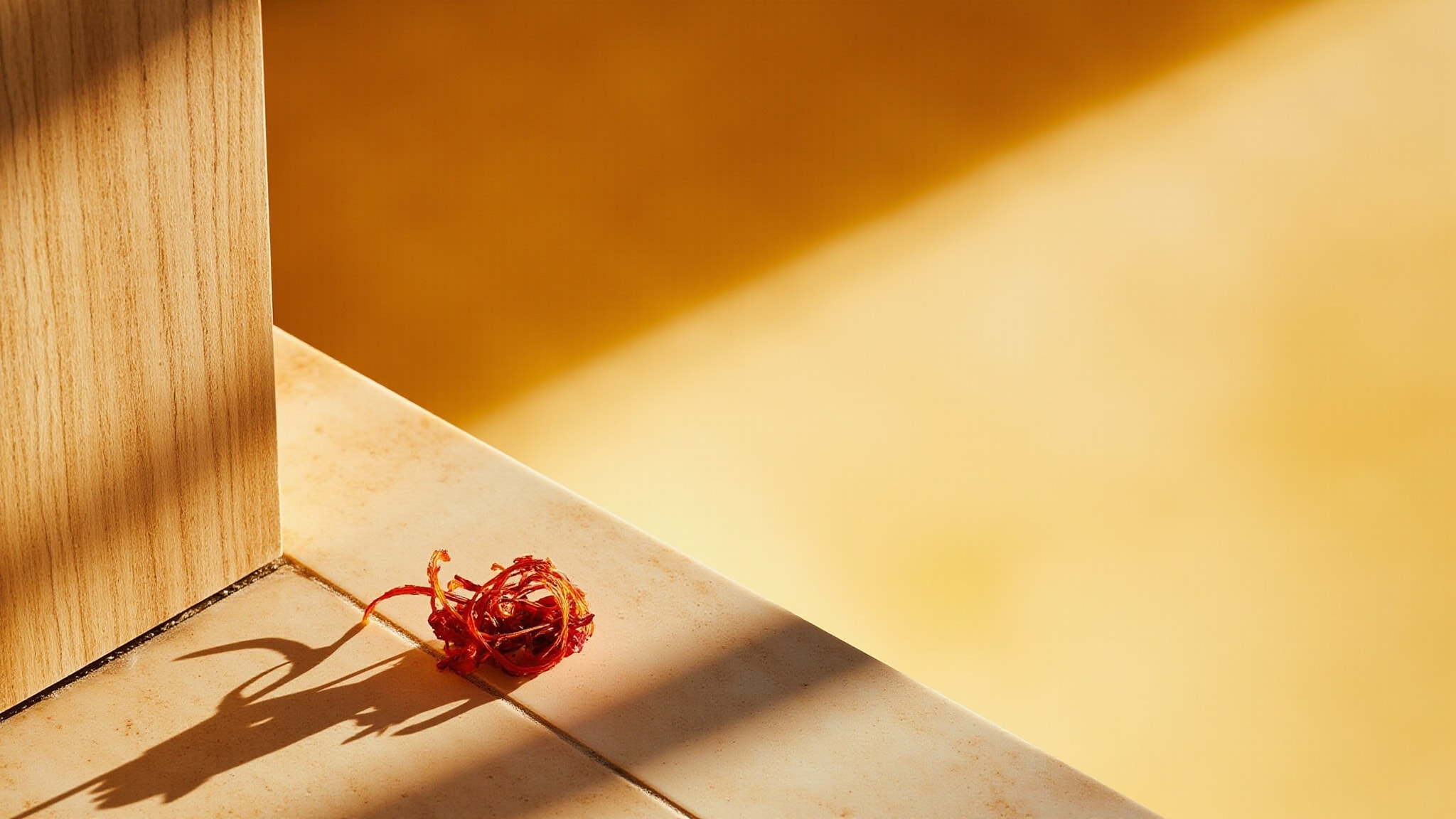
Unguentum takes its name from the Latin word for ointment, the perfumed oils that Romans wore against their skin. Onyrico didn't reach for a metaphor here. The name is the thing. Ancient perfumery traditions informed this creation, with ingredients like saffron, opoponax, and honey dissolved in rich, aromatic bases. This is that tradition, translated into alcohol-based perfume by Luca Maffei in 2015. The brief was simple and enormous at once: make something that smells like the cradle of Western civilization. Not literally. But unmistakably. The opening arrives with bright citrus brightness from mandarin orange, softened by the green, slightly spicy quality of artemisia. As it develops, the tea note emerges, lending a refined, slightly astringent elegance that grounds the composition.
What makes this work is the tension between warmth and bitterness. The opening is almost cozy, spiced tea, sweet mandarin, artemisia giving a faint herbal lift. Then the heart arrives: saffron and honey, but cut with tobacco's dry edge. The grapes add a fermented, wine-like quality that keeps it from becoming saccharine. By the base, bourbon vanilla and amber should promise softness. Instead, opoponax and cedar introduce a dusty, almost austere quality that pulls everything back. It's the Roman hearth after the feast, embers, not flames, warmth that doesn't need to prove itself.
The evolution
The opening arrives in under a minute: warm orange-cinnamon spiced tea with a mandarin brightness cutting through. Artemisia keeps it from becoming just cozy. Within 20 minutes, the heart takes over, saffron asserting itself sharply, honey sweetening the edges of tobacco that wasn't there a moment ago. Opoponax thickens the texture, resinous and almost medicinal. The woody notes that seemed synthetic at first grow into something more natural as the hours pass, cedar finally arriving around the 3-hour mark. By the drydown, you're left with amber, vanilla, and musk, a soft warmth that clings to skin and clothes. It projects moderately but lasts. Expect 6-8 hours on most skin types.
Cultural impact
Unguentum occupies a specific space in the niche fragrance landscape: warm, resinous, and unapologetically complex. It appeals to wearers who appreciate Roman history as atmosphere, not literalism. The fragrance has developed a quiet reputation among those who seek it out, appreciated for its refusal to offer easy answers. Its composition balances golden, honeyed sweetness against darker, resinous depths, with saffron and tobacco providing an almost medicinal intensity that shifts and softens over hours of wear.