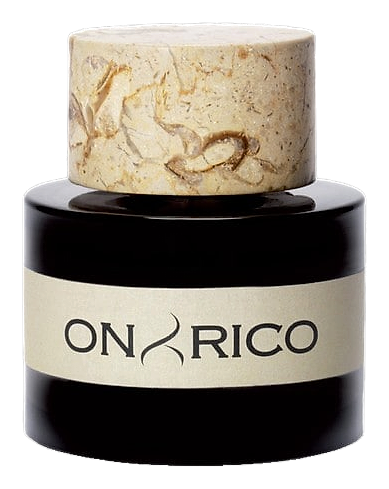

The Story
Why it exists.
The beginning
In 2015, Luca Maffei named his seventh composition after Leonardo da Vinci, the man who described himself as unlettered, and became the genius Europe still cannot explain. The inspiration runs deeper than biography. Da Vinci refused surfaces, always searching beneath the obvious. Maffei's Enygma is that refusal, translated into scent. An opening of saffron and cardamom arrives sharp and intelligent, almost aggressive in its clarity, commanding attention with the confidence of someone who knows they have something worth saying. The saffron burns hot, metallic and slightly medicinal, while cardamom adds a green, slightly camphorated spice that keeps the top notes lively and restless.
The note pyramid here is described bottom-to-top, not for gimmickry, but for intention. Enygma invites you to work backward through the composition, the way a scholar might absorb a room before speaking. The base is where Luca Maffei planted his foundation: guaiac wood, vetiver, sandalwood, amber. Earthy, smoky, resinous. The kind of depth that anchors a fragrance and gives everything above it something to push against. Saffron functions as both fixative and focal point, lending its warm, slightly medicinal character to the entire structure, connecting the tobacco heart to the woody base like a thread through Leonardo's notebooks.
The evolution
Enygma opens with a declaration: saffron burns hot, carrying a metallic warmth that reads almost medicinal on first spray. Nutmeg and cardamom push the spice further, amplified by bergamot that barely registers as citrus, arriving sweet, then disappearing. The bergamot is a brief appearance, not a statement. Within twenty minutes, the spice settles and tobacco enters. This is where the fragrance pivots from initial aggression to something more considered. The gardenia and damask rose appear gradually, not as a floral wave but as a subtle contradiction, sweetness threaded through the smoke. The drydown belongs entirely to the base: guaiac wood and sandalwood ground the composition, vetiver adds an earthy, slightly rubbery edge, and amber provides a quiet warmth that lingers close to the skin.
Cultural impact
The idea that a scent can carry the weight of a Renaissance mind persists with Enygma, appealing to wearers who value complexity and history in their fragrances. This fragrance rewards those willing to work with a composition rather than simply wear it, to follow its development across hours and notice how its character shifts from sharp intelligence to something warmer and more reflective. The structure itself invites engagement, moving through distinct phases that demand patience and attention.