Opoponax
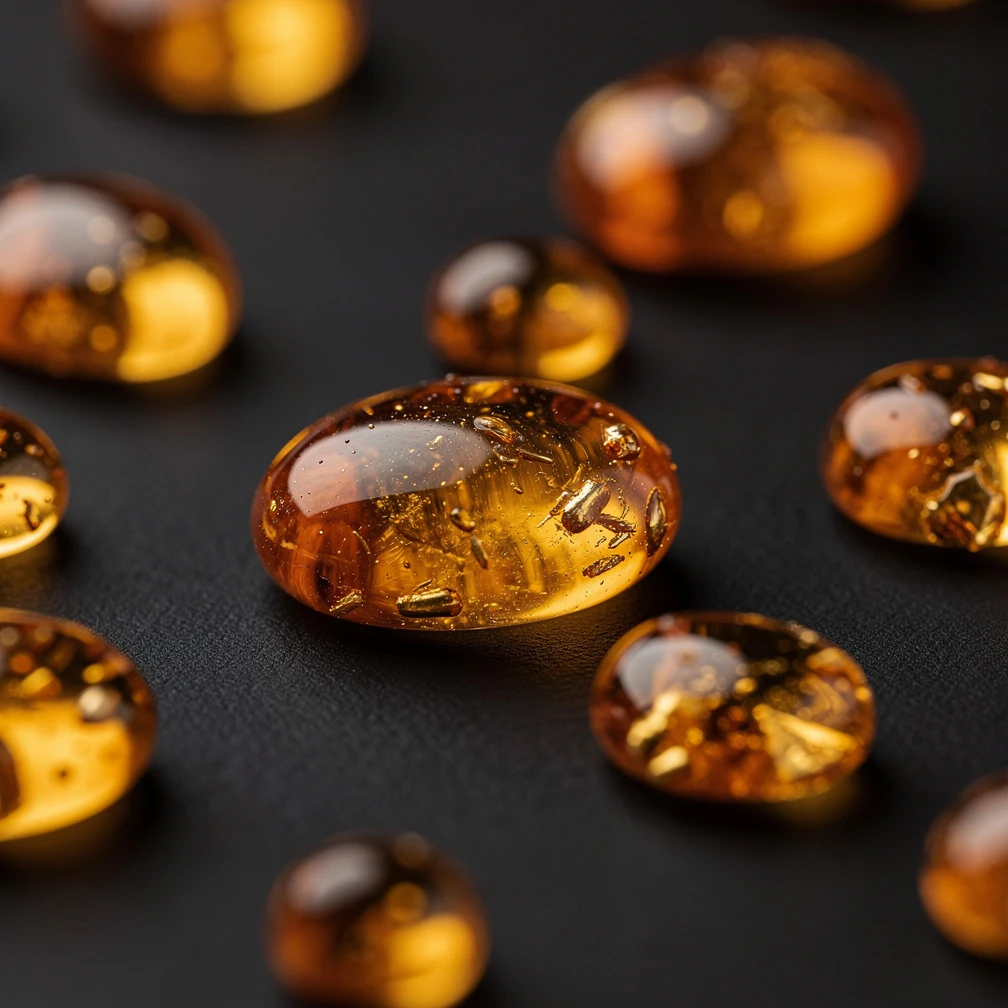
Opoponax is a warm, resinous oleo-gum-resin from Commiphora erythraea native to the Horn of Africa. Known as sweet myrrh, it brings voluptuous balsamic warmth to perfume compositions. Used primarily as a base note, it adds depth, warmth, and a refined resinous quality that softens sharper elements in oriental and woody blends.
Character
How it smells
Velvet and warmth: the sweet myrrh that deepens and softens
The name opoponax comes from the Greek opopanax, meaning "all panacea," reflecting ancient beliefs that this resin could cure every ailment.









Origin
Ethiopia
Opoponax held sacred status in ancient Mediterranean and Middle Eastern cultures. It appears in historical records of Egyptian incense blends and Biblical temple recipes, where it was combined with frankincense and myrrh for sacred purposes. The ancient Greeks bestowed upon it the name opopanax, meaning "all panacea," reflecting widespread belief in its therapeutic virtues for treating everything from wounds to digestive complaints.
During the medieval period, opoponax remained a valued commodity along Arabian trade routes connecting East Africa to Mediterranean markets. Its journey into modern perfumery began in the 19th century when French perfumer Septimus Piesse created Bouquet Opoponax in 1864, naming a fragrance after the ingredient itself. This pioneering move established opoponax as a recognized perfumery material rather than merely a medicine or incense.
Its adoption accelerated during the 20th century as Western perfumery embraced richer, warmer oriental styles. Today opoponax appears in countless fragrances as a base note, valued for its ability to add smooth resinous depth without the bitter intensity of true myrrh.
Wears it best
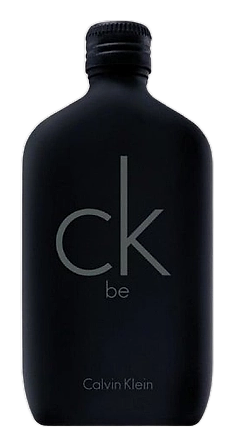
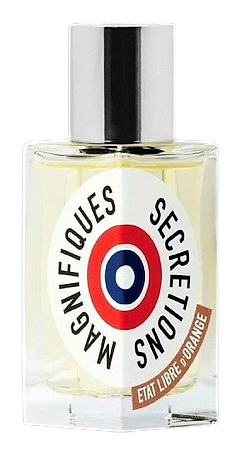
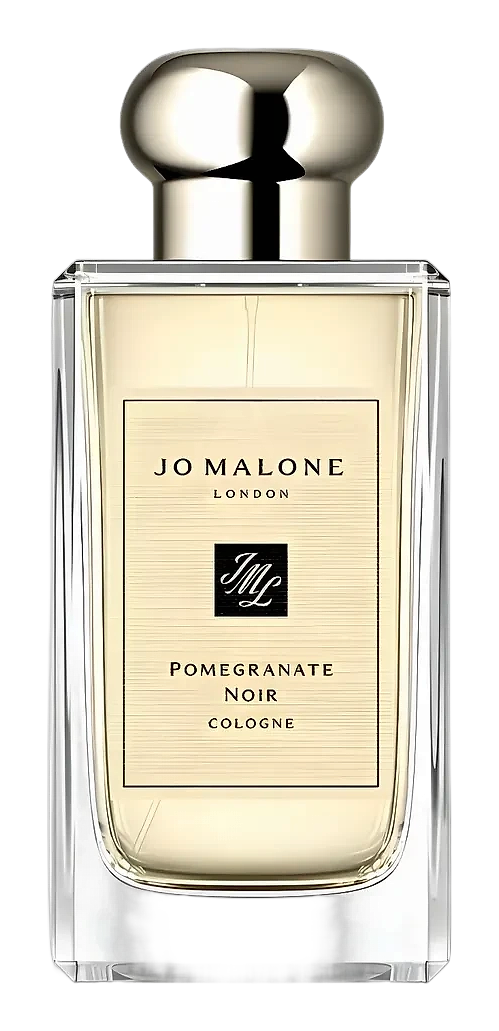
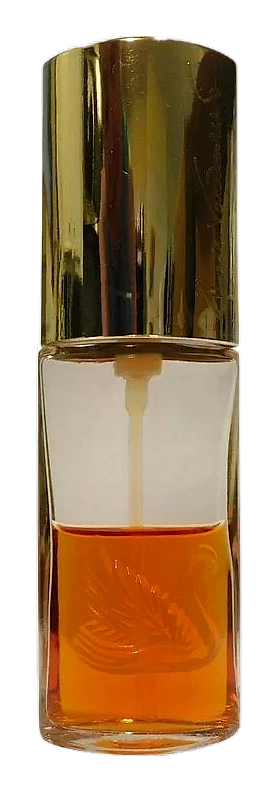
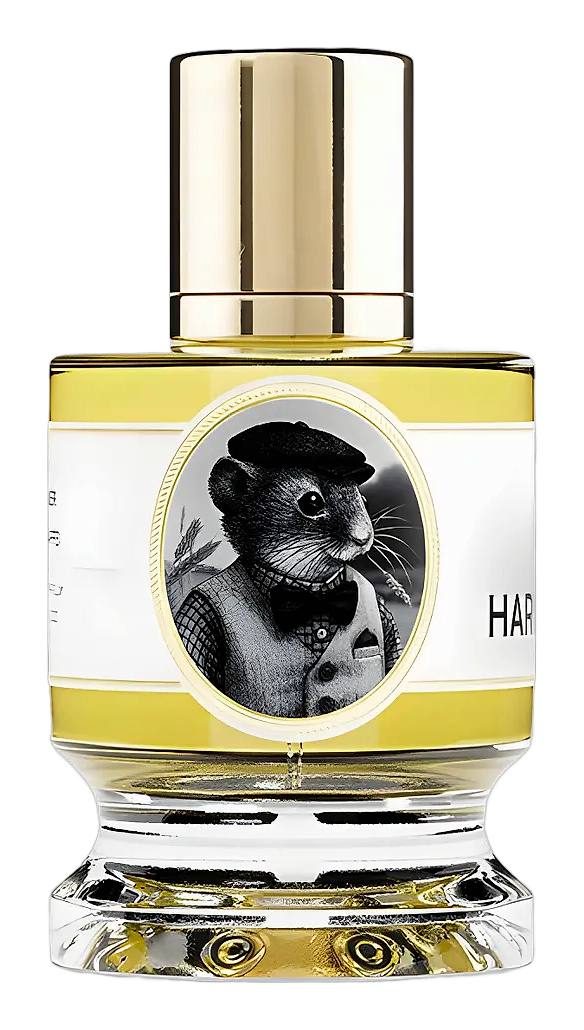
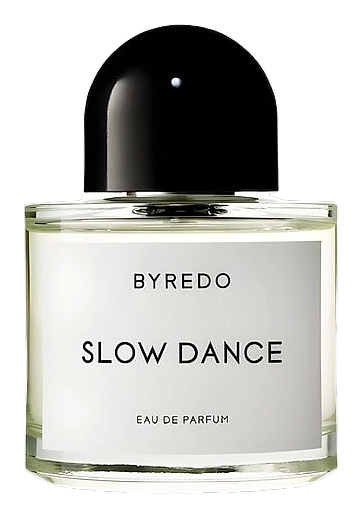
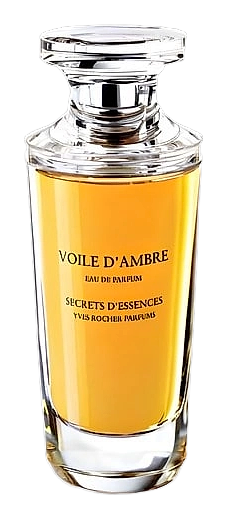
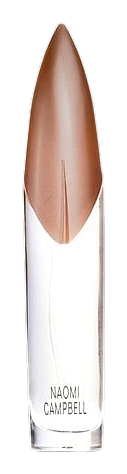
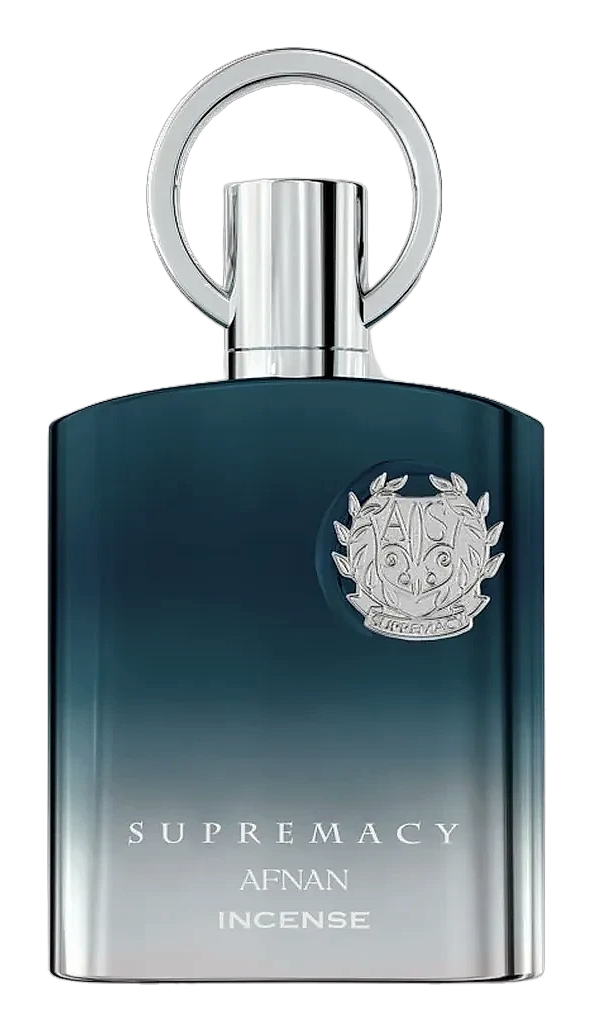
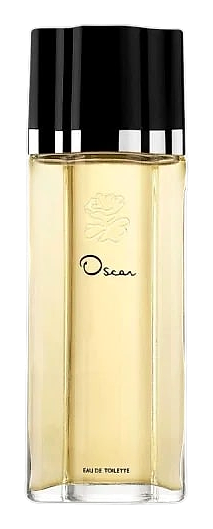
Fragrances featuring Opoponax


Brands
Brands known for Opoponax
Good to know
Questions, answered
The essentials on Opoponax in perfumery: how it smells, where it comes from, and how it behaves on skin.
What does Opoponax smell like in perfume?
It smells warm, sweet, and resinous, distinctly softer than true myrrh. Opoponax delivers balsamic warmth with honeyed, vanilla-like undertones and a velvety texture. The scent adds smooth depth to oriental and Woody compositions without sharp or bitter qualities.
Why is Opoponax used in perfumery?
It provides warm base note depth and functions as a fixative to extend fragrance longevity. Opoponax resin from Commiphora erythraea var. glabrescens is classified as widely used in fragrance compounds by safety authorities. Its smooth resinous quality softens oriental blends and adds voluptuous character.
Is Opoponax in perfume natural or synthetic?
Both forms exist. Natural opoponax comes from Commiphora erythraea, extracted via steam distillation yielding a yellow, free-flowing oil. Synthetic alternatives attempt to replicate the warm, balsamic character using lab-created compounds. Natural sourced from the Horn of Africa remains the premium choice in fine fragrance.
What famous perfumes contain Opoponax?
The 1864 fragrance Bouquet Opoponax by Septimus Piesse gave the ingredient its perfumery fame. Notable fragrances featuring opoponax include Guerlain Shalimar and various Givenchy, Dior, and Serge Lutens creations. It appears in oriental fragrances where its warm, sweet-resinous character complements vanilla, benzoin, and other warm base materials.
Is Opoponax a top note, heart note, or base note?
Opoponax functions as a base note in perfumery. Base notes appear after the initial dry-down and provide lasting depth. In compositions, opoponax typically enters the scent profile 30-60 minutes after application and remains detectable for several hours as a fixative that anchors lighter elements.
What notes pair well with Opoponax in perfume?
Vanilla, benzoin, labdanum, sandalwood, and other warm resins pair naturally with opoponax. It harmonizes with citrus top notes for contrast and complements floral heart notes like rose or jasmine. Its sweet myrrh character makes it particularly effective alongside frankincense, amber, and spicy accords in oriental compositions.
How is Opoponax extracted?
Opoponax resin is harvested by making incisions in Commiphora erythraea var. glabrescens bark, a tree native to the Horn of Africa. The oleo-gum-resin that exudes is collected, sorted, and processed. Steam distillation of the crude resin produces essential oil, typically yielding 3-7% oil from the raw material. The resulting oil is yellow to amber with a warm, balsamic character.
Is Opoponax used in men's or women's fragrances?
Opoponax appears in both men's and women's fragrances without gender restriction. It features in masculineoriental scents like Givenchy Gentleman and in feminine compositions such as Guerlain Terracotta. Its warm, resinous character works across gender presentations, particularly in unisex niche fragrances that emphasize smooth, ambery depth.