The Story
Why it exists.
The beginning
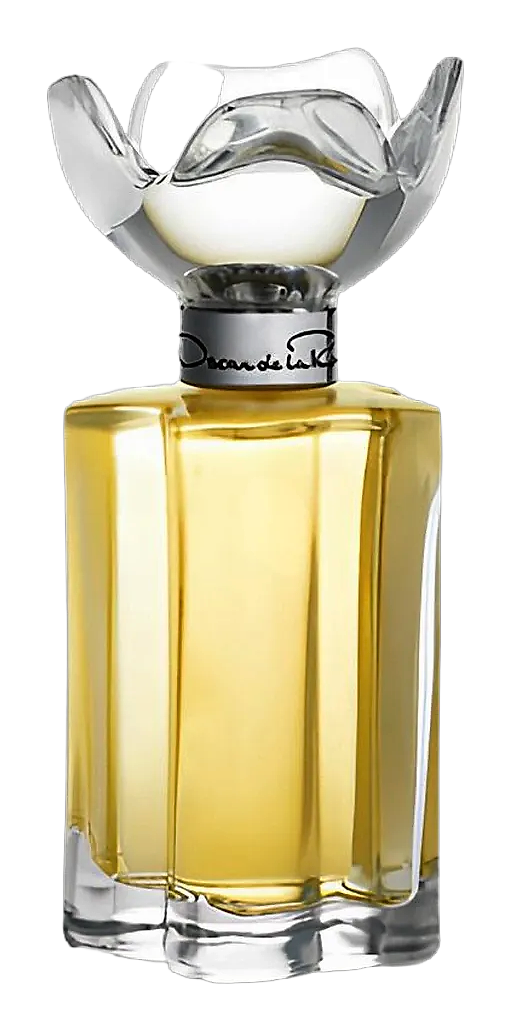
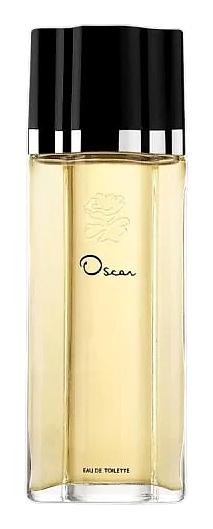
Jean-Louis Sieuzac built Oscar in 1977 as the first fragrance from Oscar de la Renta, a house already synonymous with old-guard feminine glamour. Sieuzac layered an abundant floral heart against warm, powdery woods, creating a composition that balances rich floralcy with a soft, enveloping base. The heart features lush white blooms that feel both creamy and slightly spiced, while the woody foundation adds a powdery warmth that keeps the florals grounded rather than floating. It won the FiFi Award in 1978, the year after it launched.
The carnation is the tell. Not the dominant note, the structural one. It sits in the base but threads upward through the heart, adding a warm spice that prevents the tuberose and ylang-ylang from becoming too creamy. That spice-herb balance, carnation, lavender, rosemary, is what separates Oscar from the syrupy florals it predates. The carnation's presence adds a quiet complexity, a subtle warmth that runs beneath the creamy white florals and herbal top notes, giving the fragrance a sense of depth and balance that feels carefully considered rather than accidental.
The evolution
The opening announces itself quickly, orange blossom and gardenia over peach, with basil and galbanum adding a green bitterness that grounds the sweetness before it gets soft. Within twenty minutes the heart takes over: tuberose and jasmine arrive indolic and rich, but the carnation is already there, warming everything from underneath. The transition is not dramatic, it's a slow handover, florals giving way to the powdery amber-sandalwood base as the herbal lift of lavender and rosemary quietly fades. By the third hour the drydown is all soft warmth, opoponax and patchouli close to the skin, the carnation still faintly present, the whole composition settling into something that lingers close and consistent.
Cultural impact
Oscar won the FiFi Award in 1978, its first full year on the market. It found a devoted following among women who wanted classic florals with an herbal backbone. The fragrance offers tuberose and jasmine that arrive indolic and rich, warmed by a carnation presence that threads through the composition, balanced by lavender and rosemary that keep the florals from becoming too sweet. The powdery amber-sandalwood base gives the fragrance staying power, a warm drydown that lingers close to the skin as it develops over hours.
The House
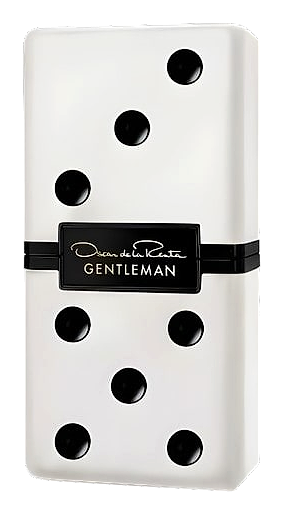
Oscar de la RentaOscar de la Renta began as a couture house in 1965 and later entered the fragrance world with the launch of Oscar in 1977. The scent introduced a floral bouquet softened by woody notes, setting a tone that mirrors the brand’s reputation for refined elegance. Over the decades the house has added a series of niche releases, from Oscar Violet in 2005 to Gentleman in 2016, each reflecting a distinct facet of the designer’s aesthetic while staying rooted in the original vision of timeless femininity and understated luxury.
The Creator
Jean-Louis SieuzacSieuzac favors bold contrasts and an almost architectural precision in his structures. He is drawn to leather, smoke, and animalic materials, and he has a particular talent for balancing warmth against bite—Opium and Bel Ami both illustrate this, pairing rich oriental depth wi…