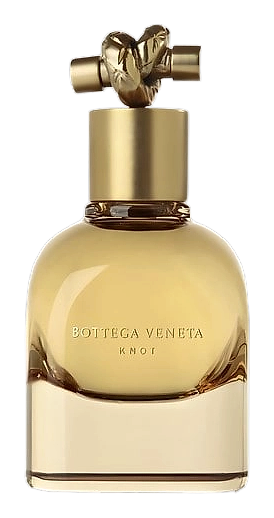
The Story
Why it exists.
The beginning
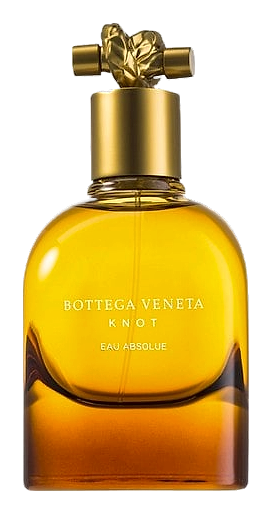
After the debut of Bottega Veneta's first fragrance, a chypre-leather statement, bold and unmistakable, the house wanted to explore a different direction. Knot was the answer to a different question: something airier, more floral, more approachable. Daniela Andrier, working with Givaudan, was tasked with creating that shift. The inspiration was specific and sensory: the fresh air of the Italian coast, the scent of flowers in a garden, and, unexpectedly, clean laundry. Not the idea of clean laundry. The actual smell of it, coming through open windows on a warm morning. That image became the creative compass for everything that followed.
What makes Knot distinctive is the lavender. It sits in the heart alongside peony and white rose, an herbaceous counterpoint to the creamy florals that most compositions in this family would lean into entirely. Lavender is rarely the bridge between citrus and musk, but here it works as the connective tissue, the thing that keeps the florals from becoming precious. The tonka bean in the base does its work quietly too, adding a whisper of sweetness that prevents the musk from reading as clinical. The result is a fragrance that smells expensive without announcing it, clean without being cold.
The evolution
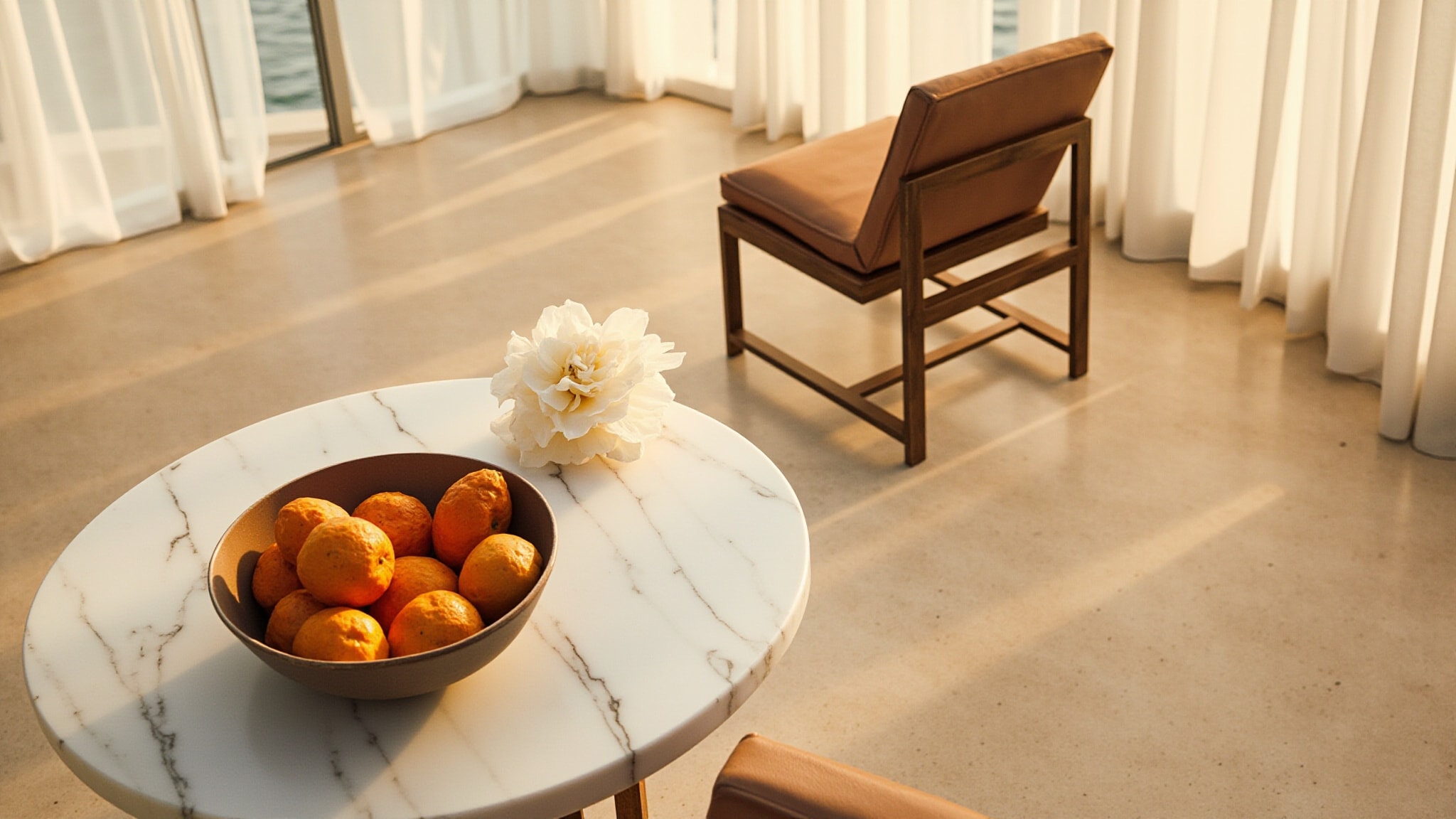
The opening is citrus bright, a cluster of clementine, mandarin, and lime that hits immediately. Neroli and orange blossom provide the floral underlay, but the top is all sunshine and sparkle. Ten minutes in, the citrus begins to soften as the florals arrive. Peony and white rose bloom into something creamy, lush, but the lavender keeps it grounded, keeps it from floating away. By the second hour, the florals have settled and the base takes over. Musk wraps around the skin, warm and close, while tonka bean adds a faint sweetness that most people won't identify but will definitely feel. The drydown becomes intimate and skin-like, the kind of scent that someone leans in to find. Throughout the wear, the lavender acts as a steady hand, preventing the florals from becoming too precious, keeping the overall impression approachable and lived-in rather than polished and distant.
Cultural impact
The second fragrance arrived as part of a shift from the house's first fragrance, which had been chypre and leather. The direction moved toward something airier and more floral, exploring what a white floral could feel like when it refuses to be precious. The lavender-peony combination became a reference point for how herbal and floral notes could ground each other, the lavender's slight bitterness keeping the peony's softness from floating away. The fragrance found its place among those who wanted something approachable from the house, a scent that wore quietly without disappearing.