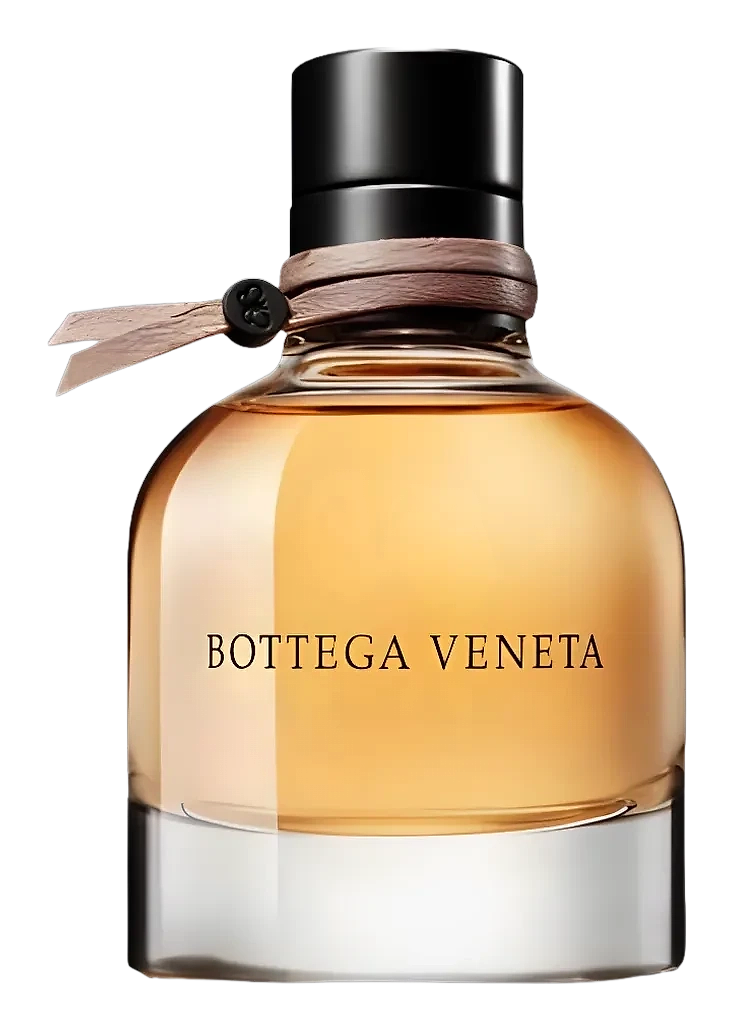
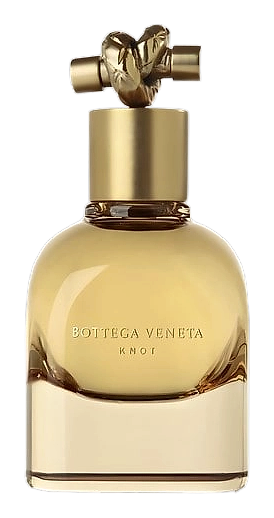
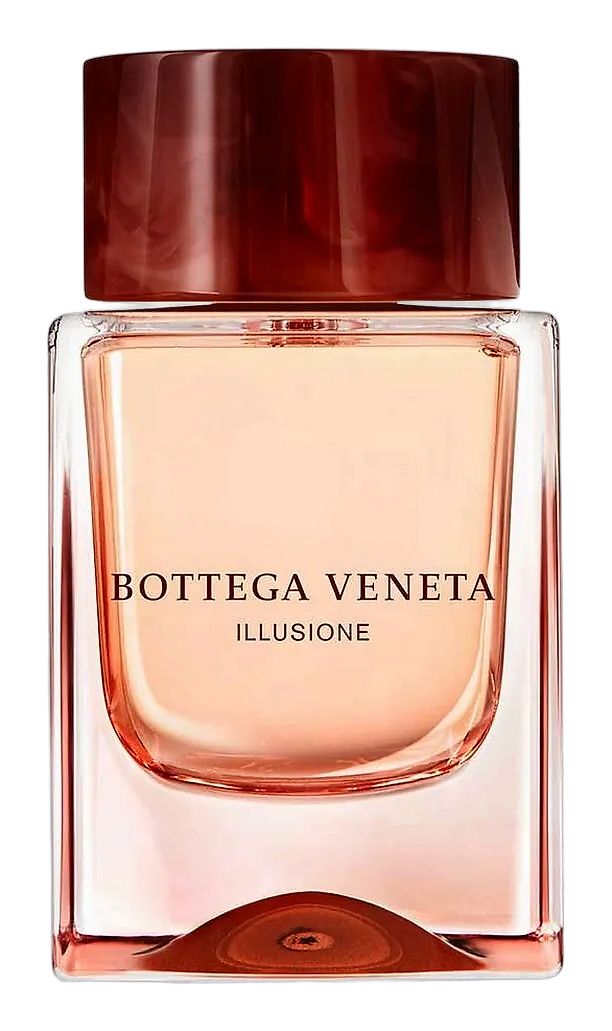
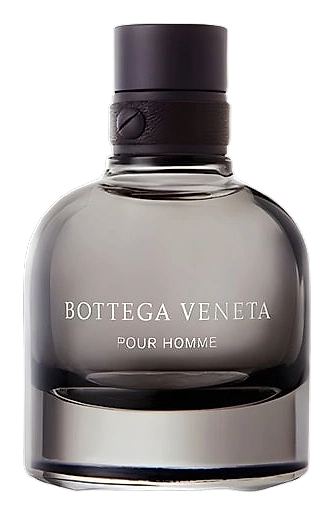













    Brand Profile

    Bottega Veneta, the Milan‑based fashion house, entered the fragrance world in 2013 with a line that mirrors its reputation for quiet luxury.…More

    Italy·Est. 1966·Site

    2

    Fragrances

    3.9

    Rating

    Just Landed

    New Arrivals

    The latest additions to the Bottega Veneta collection.

    41
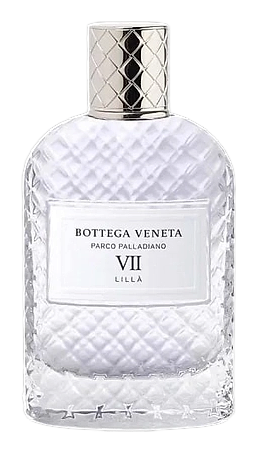
    Parco Palladiano VII: Lillà by Bottega Veneta
    4.0

    Parco Palladiano VII: Lillà

    Parco Palladiano VI: Rosa by Bottega Veneta
    3.8

    Parco Palladiano VI: Rosa

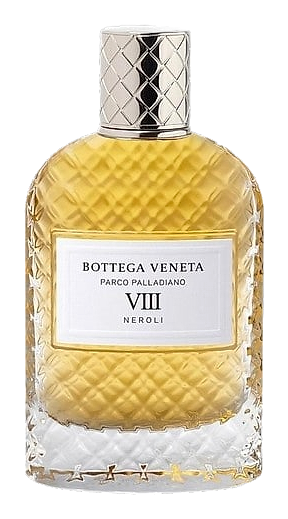
    Parco Palladiano VIII: Neroli by Bottega Veneta
    Best Seller
    4.4

    Parco Palladiano VIII: Neroli

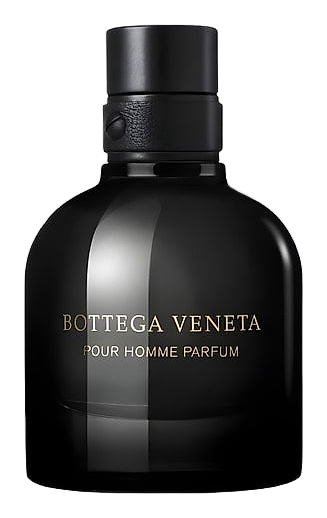
    Bottega Veneta Pour Homme Parfum by Bottega Veneta
    Best Seller
    4.3

    Bottega Veneta Pour Homme Parfum

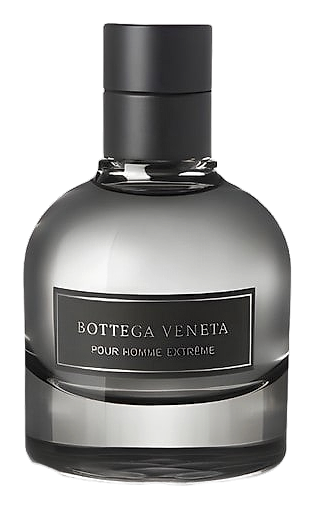
    Bottega Veneta Pour Homme Extreme by Bottega Veneta
    Best Seller
    4.3

    Bottega Veneta Pour Homme Extreme

    Parco Palladiano IV: Azalea by Bottega Veneta
    4.3

    Parco Palladiano IV: Azalea

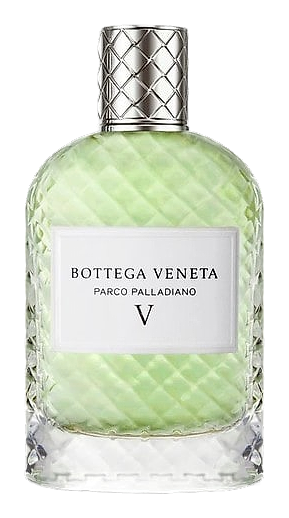
    Parco Palladiano V: Lauro by Bottega Veneta
    4.2

    Parco Palladiano V: Lauro

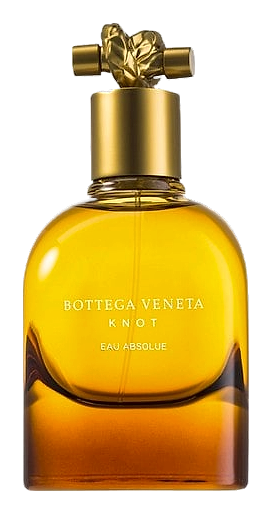
    Knot Eau Absolue by Bottega Veneta
    4.2

    Knot Eau Absolue

    Hinoki by Bottega Veneta
    New
    4.2

    Hinoki

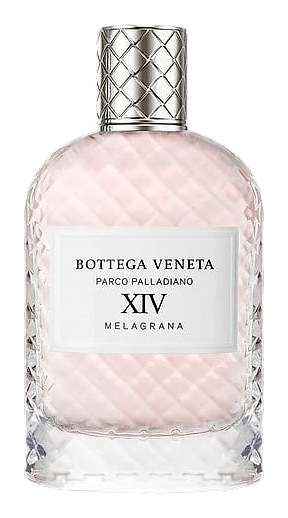
    Parco Palladiano XIV: Melagrana by Bottega Veneta
    4.2

    Parco Palladiano XIV: Melagrana

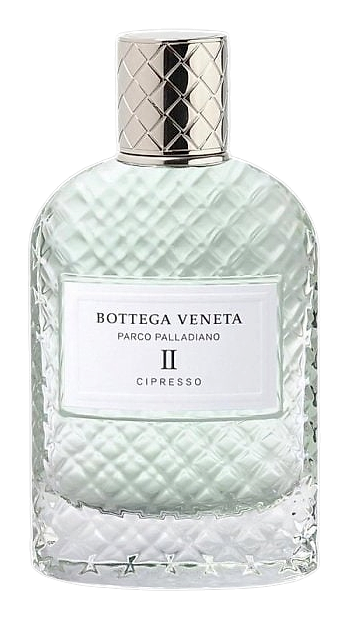
    Parco Palladiano II: Cipresso by Bottega Veneta
    4.2

    Parco Palladiano II: Cipresso

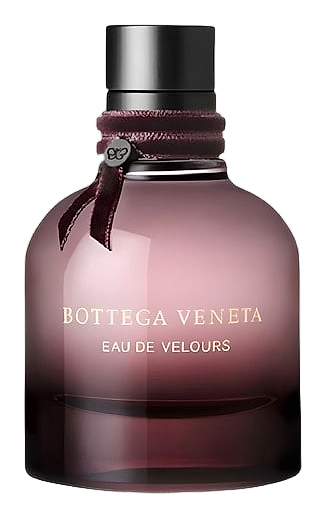
    Bottega Veneta Eau de Velours by Bottega Veneta
    4.2

    Bottega Veneta Eau de Velours

    1 of 4

    The Heritage

    The Story of Bottega Veneta

    Bottega Veneta, the Milan‑based fashion house, entered the fragrance world in 2013 with a line that mirrors its reputation for quiet luxury. The scents draw on the city of Venice, its canals and gardens, while the bottles echo the brand’s iconic intrecciato weave. From the citrus‑bright Parco Palladiano VIII: Neroli (2017) to the woody Hinoki (2025), the collection offers a restrained yet expressive olfactory journey for those who appreciate subtle craftsmanship.

    Heritage

    Bottega Veneta was founded in 1966 in Vicenza by Renzo Zengiaro and Michele Taddei, two leather artisans who wanted to create a workshop focused on hand‑crafted goods. The label quickly gained attention for its woven leather technique, later named intrecciato, which became a visual hallmark throughout the 1970s and 1980s. In the 1990s the house expanded into ready‑to‑wear and accessories, reinforcing its reputation for meticulous detail. The brand was acquired by the Kering group in 2001, a move that provided global distribution while preserving its independent design ethos. Creative director Tomas Maier, appointed in 2001, emphasized understated elegance, a principle that later guided the launch of Bottega Veneta’s first perfume collection in 2013 under the direction of Matthieu Blazy. The debut line featured five scents inspired by Venetian history and the house’s leather heritage. Subsequent releases such as Bottega Veneta Pour Homme Extreme (2015) and Knot Eau Absolue (2018) continued the narrative of place‑based fragrances. The Parco Palladiano series, introduced between 2016 and 2018, references specific Venetian gardens, each scent built around a single botanical note. In 2025 the house added Hinoki, a composition centered on Japanese cypress, marking its first foray into East‑Asian inspired ingredients. Over six decades, Bottega Veneta has evolved from a regional leather workshop to an internationally recognised fashion and fragrance label, maintaining a consistent focus on craft, material integrity and quiet refinement.

    Craftsmanship

    Bottega Veneta’s fragrance production follows a hands‑on model that mirrors its leather workshops. Raw materials are selected from farms and forests that meet strict quality criteria, with a preference for natural absolutes and essential oils. The house has partnered with the historic perfume house Creed to benefit from its expertise in ingredient extraction and blending, a collaboration confirmed by multiple industry reports. Formulations are assembled in small batches, allowing perfumers to adjust ratios until the scent meets the brand’s subtle balance. After blending, each batch undergoes a series of stability tests to ensure the fragrance retains its character over time. Bottles are crafted from thick glass, hand‑polished to a satin finish, and sealed with caps that feature the intrecciato pattern embossed in metal. Quality control includes sensory evaluation by a panel of trained noses, who assess longevity, projection and fidelity to the original brief. The final product is packaged in minimalist boxes that forgo overt branding, reinforcing the house’s belief that the scent should speak for itself.

    Design Language

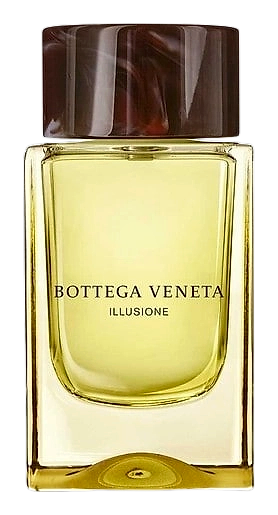
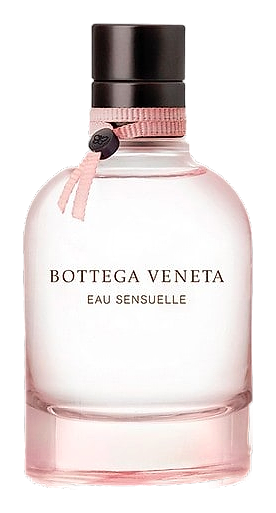
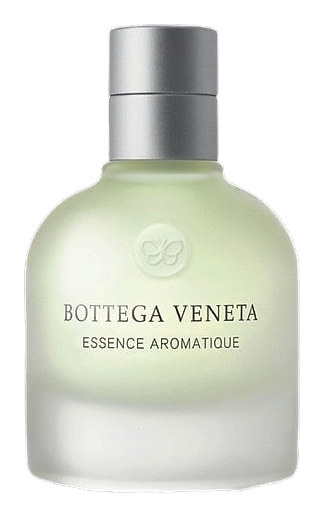
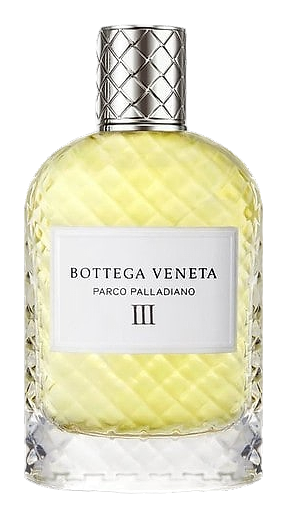
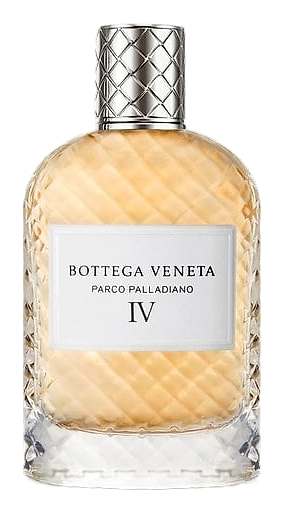
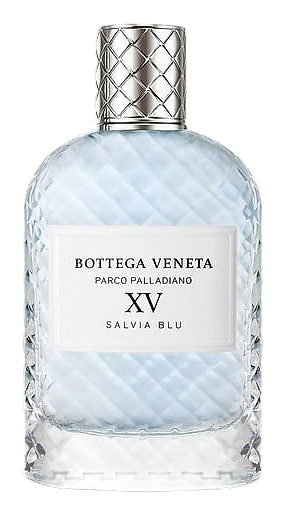
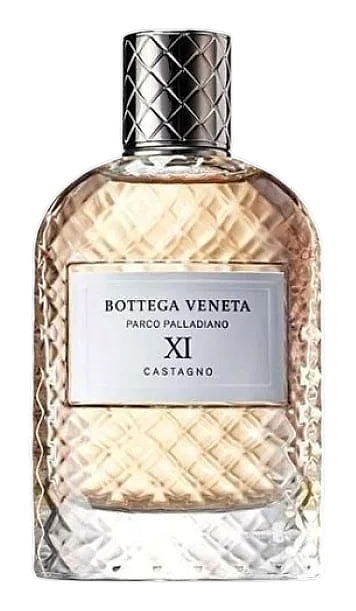
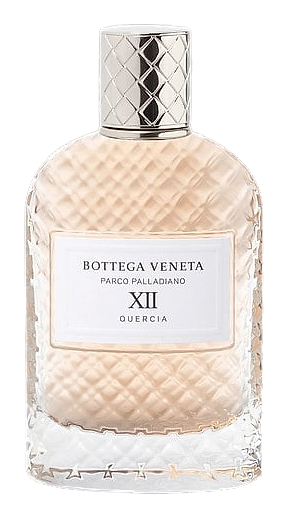
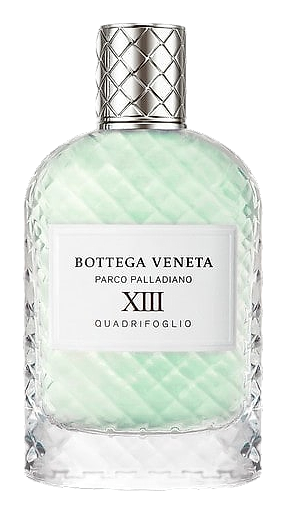
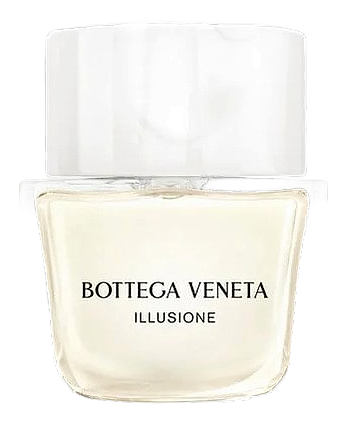
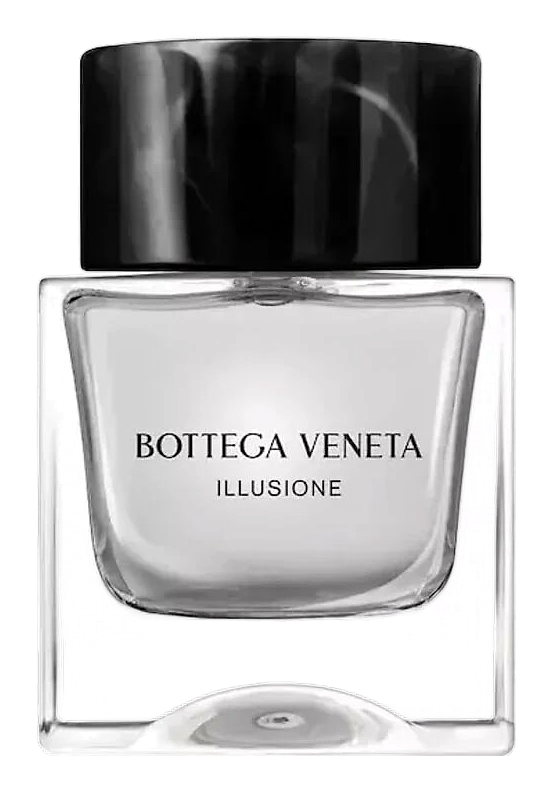
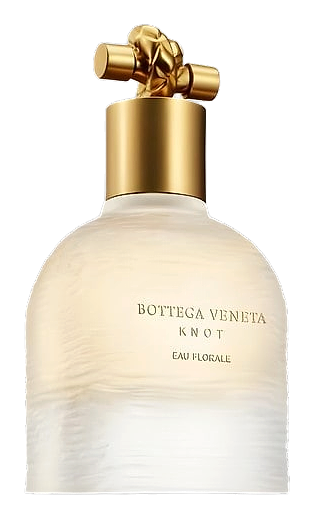
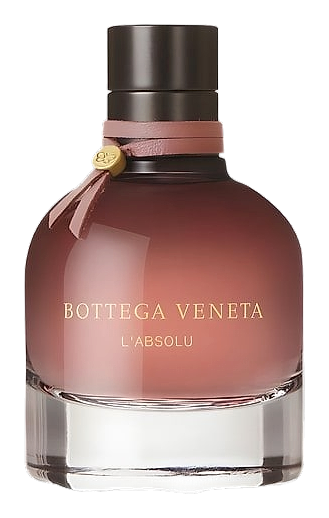
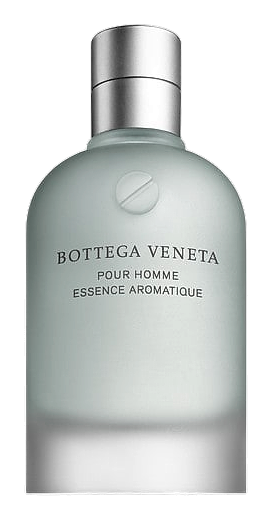
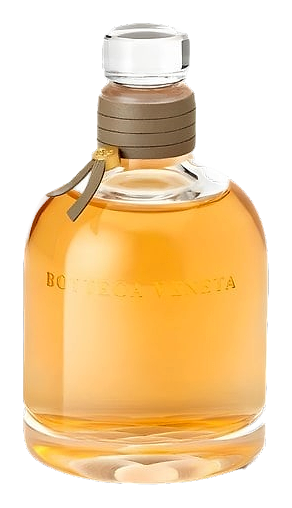
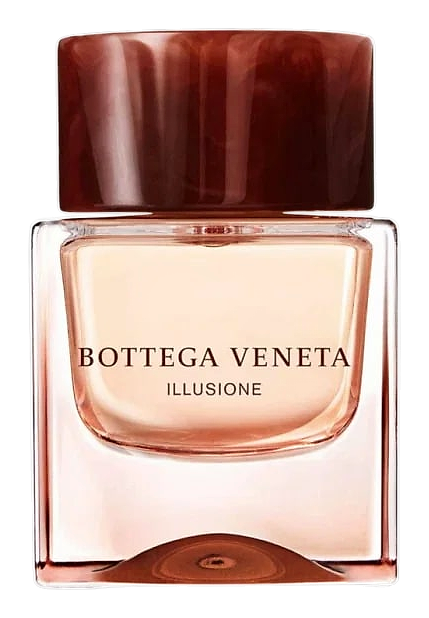
    Visually, Bottega Veneta’s perfume line carries the same restrained elegance found in its fashion collections. Bottles are typically rectangular, with clean lines and a matte black or deep amber glass that catches light subtly. The signature woven leather motif appears as a subtle embossing on the cap or as a thin metal band, linking the fragrance to the broader brand identity without overt logos. Typography is understated, using a simple sans‑serif font that aligns with the house’s minimalist aesthetic. The packaging palette relies on neutral tones—charcoal, ivory, deep green—allowing the scent’s story to emerge through scent rather than visual flash. This visual restraint mirrors the brand’s philosophy of invisible luxury, where the experience is felt rather than announced.

    Philosophy

    The brand’s creative vision rests on the principle of invisible luxury: beauty that does not shout but invites discovery. Bottega Veneta treats perfume as an extension of its material language, translating the tactile experience of woven leather into scent. The house values authenticity, sourcing natural extracts that reflect specific locations, whether the citrus groves of Italy or the cedar forests of Japan. Each fragrance is conceived as a narrative fragment, anchored in a place and a memory, rather than a broad trend. The creative process involves close collaboration with perfumers who respect the brand’s restraint, allowing a single note to dominate without overwhelming the composition. Sustainability informs ingredient choices; the house prefers responsibly harvested botanicals and works with suppliers who adhere to environmental standards. This approach aligns with Bottega Veneta’s broader ethos of craftsmanship, where the story behind a product matters as much as the final result.

    Key Milestones

    1966

    Renzo Zengiaro and Michele Taddei establish Bottega Veneta in Vicenza, introducing the intrecciato leather weave.

    2001

    Kering acquires Bottega Veneta, providing global distribution while preserving creative independence.

    2013

    The house launches its first fragrance collection, five scents inspired by Venice and the brand’s leather heritage, under creative director Matthieu Blazy.

    2015

    Bottega Veneta Pour Homme Extreme is released, expanding the masculine line with a darker, more intense profile.

    2018

    Knot Eau Absolue debuts, referencing the brand’s iconic knot motif in both scent and bottle design.

    2025

    Hinoki arrives, the first Bottega Veneta perfume centered on Japanese cypress, highlighting the brand’s exploration of East‑Asian ingredients.

    At a Glance

    Brand profile snapshot

    Origin

    Italy

    Founded

    1966

    Heritage

    60

    Years active

    Collection

    2

    Fragrances released

    Avg Rating

    3.9

    Community sentiment

    Release Rhythm

    2025
    3
    2024
    5
    2021
    2
    2019
    2
    2018
    8
    2017
    5
    2016
    8
    2015
    2
    bottegaveneta.com

    Did You Know?

    Interesting Facts

    Distinctive details and defining moments that shape the house personality.

    01

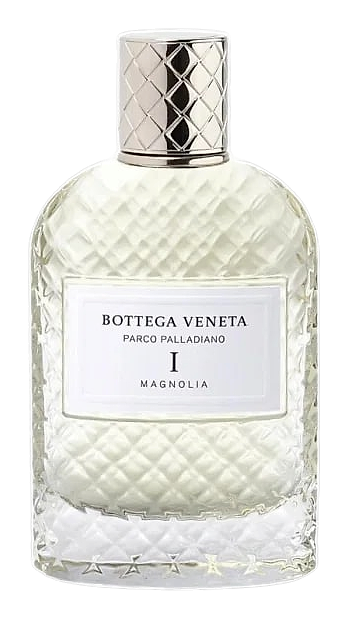
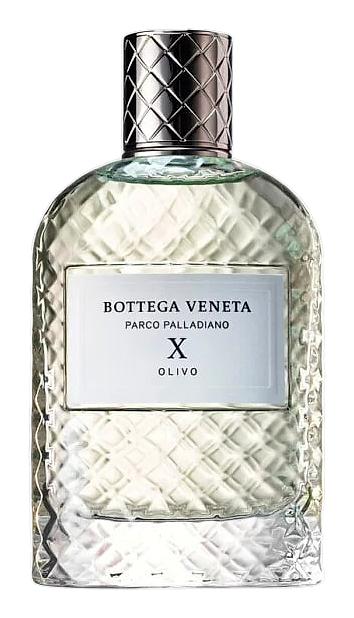
    The Parco Palladiano series is named after specific Venetian gardens, each fragrance highlighting a single botanical note from that location.

    02

    Bottega Veneta’s perfume bottles incorporate the intrecciato weave as an embossed pattern on the metal cap, a subtle nod to the brand’s leather heritage.

    03

    The fragrance line was developed in partnership with the historic perfume house Creed, giving the scents a foundation in traditional French perfumery expertise.

    04

    Hinoki (2025) marks the first time the house has used a Japanese wood note as the central focus of a perfume, reflecting a deliberate geographic expansion of its olfactory palette.