The Story
Why it exists.
The beginning
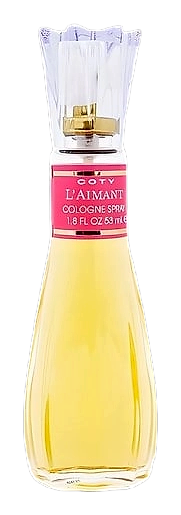
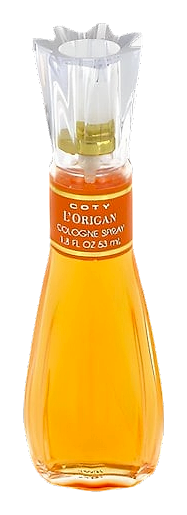
L'Origan arrived in 1905, one of François Coty's earliest statements about what modern perfumery could be. The name itself was a declaration, origan, the wild herb of Mediterranean hillsides, suggests something untamed beneath the florals. Coty was building a house that would redefine how perfumes were made, distributed, and worn, and this cologne was part of that larger ambition. It wasn't meant to smell like a single flower. It was meant to smell like a person, layered, alive, slightly complicated.
What makes L'Origan distinctive is its use of materials that were genuinely new in 1905: coumarin, ionones, vanillin. These synthetic compounds allowed Coty to achieve a powdery softness and a floral depth that natural extracts alone couldn't deliver. The result was a fragrance that felt both luxurious and reproducible, a balance that would define modern perfumery. The composition layers violet's powdery sweetness against rose's classic warmth, jasmine's indolic richness against ylang-ylang's creamy height. It's a florist's palette rendered in something more precise than nature ever managed.
The evolution
The opening hits bright and immediately, bergamot, orange blossom, a lift of black pepper. The peach adds softness that keeps it from being sharp. For the first fifteen minutes, there's a freshness that feels almost astringent, like cold air through an open window. Then the florals arrive. Not all at once. Violet announces itself first, that powdery sweetness that defines the heart. Rose follows, then jasmine, each layer settling into the last. The spice, coriander, nutmeg, threads through without ever dominating. By the third hour, the base takes over. Benzoin and vanilla create warmth, sandalwood provides structure, and the coumarin delivers that signature powdery finish that stays close to the skin. On fabric, it lingers overnight. On skin, plan for six to eight hours before it fades to a quiet vanilla warmth.
Cultural impact
L'Origan belongs to a moment when Coty was establishing what modern perfumery could be. The use of synthetic materials in 1905 wasn't just innovative, it was democratizing. Where perfumes had once been the province of the wealthy, Coty's willingness to work with reproducible materials meant that sophisticated scents could reach a broader audience. L'Origan stands as a document of that ambition: a cologne that smells expensive because it was composed with precision, not because it relied solely on rare natural extracts.