
The Story
Why it exists.
The beginning
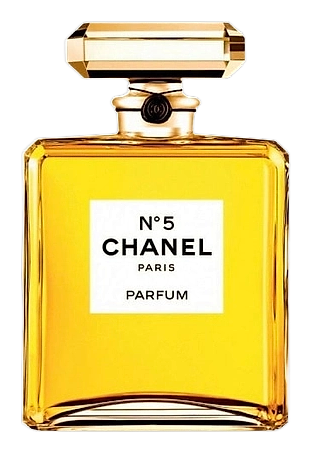
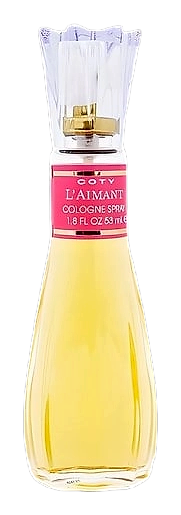
L'Aimant means 'the magnet' in French, and the name was the concept. Vincent Roubert built this 1927 fragrance around a single idea: a scent that draws you in and holds you there. The 1920s had rediscovered aldehydes, those effervescent molecules that could make florals bloom brighter and last longer. Roubert used them to create something electric at the opening, warm at the heart, powdery at the close. It was a formula for magnetism itself. The result wasn't abstract like Chanel No. 5, it was floral and grounded, woody and intimate. This was the magnet you could wear close.
The aldehydic structure is what makes L'Aimant distinctive. Those same molecules that made Chanel No. 5 revolutionary, they appear here too, but deployed differently. In L'Aimant, aldehydes don't shock. They shimmer. They lift the florals so rose and jasmine seem to float above the skin rather than sit on it. Ylang-ylang adds tropical cream to the heart. Geranium brings a green, slightly sharp counterpoint. Rose and jasmine together create a rich, feminine floral that feels old-money rather than modern. The base, sandalwood, cedar, vanilla, tonka, grounds everything with warmth. This is what French perfumery built its reputation on: elegant, feminine, lasting.
The evolution
The opening hits bright and immediate, aldehyde sparkle, bergamot, neroli. Clean and citrus-forward, with a slight mineral edge that catches the light. Within minutes, the florals take over. Jasmine dominates, but rose, ylang-ylang, and geranium layer beneath it, creating a warm, feminine heart that feels rich without being heavy. The aldehydes don't disappear, they linger, lifting everything. An hour in, the drydown arrives: sandalwood and vanilla, musk and tonka bean, a powdery warmth that holds close to the skin. Cedar and vetiver keep it grounded. The aldehydes persist as a quiet shimmer in the base, giving the powdery warmth an electric edge. What stays is intimate and elegant, 4 to 6 hours of close, warm presence. The next morning, faint traces of sandalwood and musk on skin, a soft reminder.
Cultural impact
L'Aimant arrived in 1927 as part of the aldehydic-floral revolution, a decade after Chanel No. 5 changed everything. While No. 5 went abstract and bold, L'Aimant stayed floral, rich, warm, and intimate. It's the kind of fragrance people describe as 'old school', and mean it as praise. Aldehydic-floral compositions like this one defined an era of French elegance, and L'Aimant remains a reference point for anyone exploring that heritage.