François Coty
François Coty was born in May 1874 in Ajaccio, Corsica, into circumstances that seemed far removed from the glittering perfume houses of Paris. Yet from these humble beginnings, one of perfumery's most transformative figures would emerge. Coty showed an early gift for scent composition, training in Grasse under the renowned perfumer José TRIAUD before striking out on his own. By 1904, he launched La Rose Jacqueminot, a rose soliflore that caught the attention of stage legend Sarah Bernhardt, whose endorsement transformed the fragrance into an instant commercial phenomenon. Within two years, Coty had become a multimillionaire. But his ambitions extended far beyond scent creation. He invested in newspapers, entered politics, and became a significant patron of the arts. Coty also understood that presentation mattered as much as the perfume itself. He pioneered the now-standard practice of selling fragrance in Art Deco bottles, co-founding the company that would bear his name and reshaping how luxury perfumes reached their audience.
The hits
Notable creations





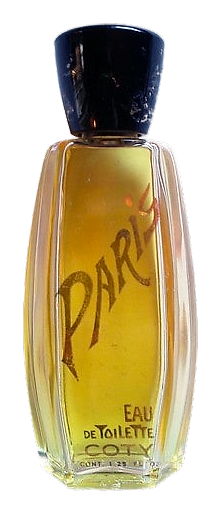
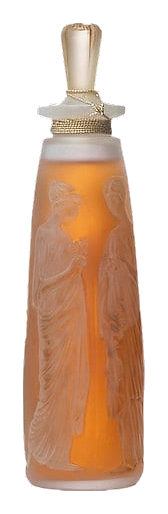
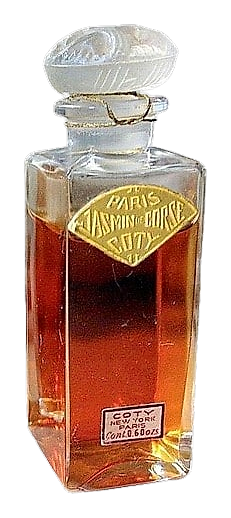

The signature
How François composes
Coty had a gift for bold, distinctive fragrances that broke from the powdery, heavy compositions of his contemporaries. He excelled at creating scents that were immediately recognizable yet surprisingly modern in their structure. His work often featured prominent rose and jasmine notes, though he ventured confidently into chypre and fougère territories that were considered radical for the era. Coty showed particular skill in balancing natural and synthetic materials, using the latter to extend and stabilize rather than overpower his compositions. His approach favored clarity and presence over complexity for its own sake.
Philosophy
What drives François
Coty believed perfume was not merely a luxury but a commercial force, something to be democratized rather than hoarded by the elite. He approached fragrance with the instincts of both artist and entrepreneur, constantly pushing boundaries while keeping an eye on marketability. His drive came from a refusal to rest on convention. Where others followed formulas, Coty reimagined what perfume could be, treating each creation as a statement of intent rather than simply a pleasant scent.
In the same league