
The Story
Why it exists.
The beginning
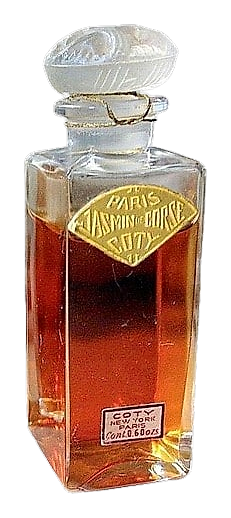
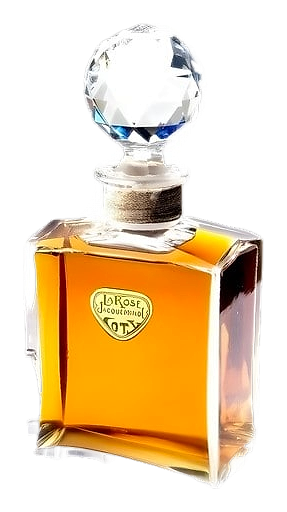
La Rose Jacqueminot is named for a rose variety bred in nineteenth-century France, a cabbage rose variety that took its name from General Jean-Baptiste Jacqueminot, a military man who, between campaigns, happened to have a gift for horticulture. François Coty chose this rose as the centerpiece for his first fragrance, released in 1904. It was a deliberate choice: at a moment when perfume houses were building elaborate floral bouquets meant to overwhelm, Coty bet everything on a single note. The gamble worked. La Rose Jacqueminot launched the Coty business and put a rose soliflore on the map of modern perfumery.
What makes this structure unusual is the restraint. The Bulgarian rose at the center isn't surrounded by a supporting cast designed to flatter it, it's surrounded by green notes and citrus that lift it, by honey and cloves that warm it, by musk and oakmoss that ground it. The result is a rose that reads as fresh rather than heavy, green rather than sweet. In 1904, this was a counterargument to the prevailing fashion for richness. Today it reads as almost minimalist, a single idea, executed cleanly.
The evolution
The opening hits with green citrus, a burst of something that reads more like morning garden air than perfume. Within minutes the Bulgarian rose arrives and settles in, but it never quite takes over completely. The violet and honey in the heart add a powdery softness without tipping into nostalgia. The drydown is where Coty's age shows: oakmoss and musk hold the base together for hours, a structured close that feels more 1910 than 2010. On fabric it lingers until the next wash. On skin, plan for eight to ten hours easily.
Cultural impact
La Rose Jacqueminot holds a specific place in fragrance history: one of the first modern soliflores, and the fragrance that funded François Coty's rise to wealth. Its influence is less in the notes, rose soliflores are common now, than in the philosophy. Coty proved that a single focused idea could sell. The blueprint for every minimalist fragrance that followed owes something to this 1904 gamble.