The Story
Why it exists.
The beginning
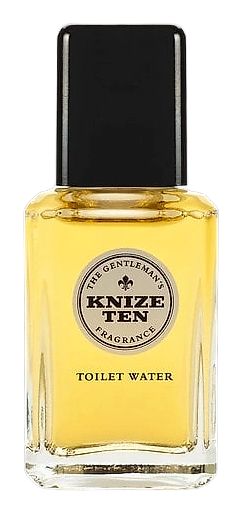
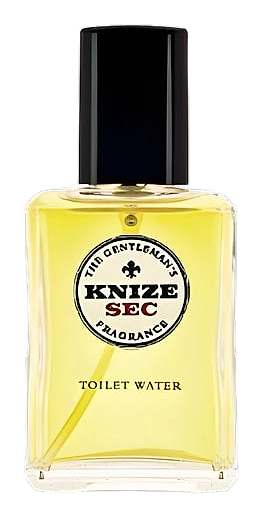
Knize Sec arrived in 1985 as a variation of the classic leather fragrance Knize Ten. The house wanted something that captured the same restraint, their core philosophy, but said it differently. Sec means dry in perfumery. The word itself is the concept. But dry, for Knize, didn't mean stripped back or minimal. It meant the warmth arrives on its own terms.
The structure beneath that dry opening is what makes Sec interesting. Citrus leads, orange, lemon, coriander, a crisp, almost astringent brightness that references the barbershop without being one. Then lavender and jasmine arrive, with sage and petitgrain threading through. The herbal-balsamic heart keeps things cool even as the base builds warmth. This is the part most fragrances skip, that middle register where a scent decides what it actually wants to be. Sec decides: leather, incense, ambergris.
The evolution
The citrus burst doesn't announce itself, it illuminates. A quick flash of light before the stage goes warm and dim. This is the opening you'd smell in old Viennese barbershops, marble counters and wooden combs. Then leather arrives. Not harsh or rubbery, but the soft kind, the gloves, not the upholstery. Incense threads through. Amber settles. You're left with something that smells like a well-worn wardrobe. The corner of a tailor's shop at dusk. Measuring tape still out. Scissors still warm.
Cultural impact
Knize operates outside the cycle of seasonal releases and limited editions that defines much of modern fragrance marketing. Since its 1985 launch, Sec has maintained a quiet presence, the kind of fragrance you find rather than one that finds you, worn by those who appreciate something that doesn't announce itself. It appeals to a particular sensibility, one that rewards patience and discretion over spectacle.