The Story
Why it exists.
The beginning
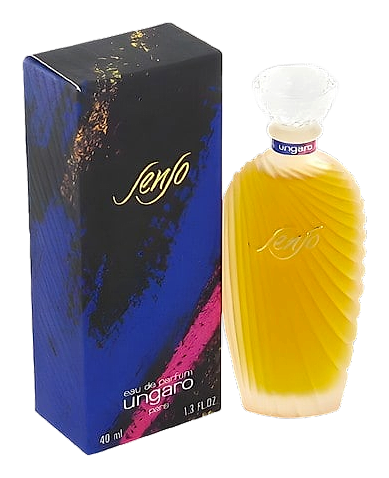
Jacques Polge approached Senso with architectural precision and an eye for structure. He translated Emanuel Ungaro's couture sensibility into scent. The fragrance opens with the brightness of citrus and stone fruit, then deepens into a white floral heart that feels less like perfume and more like presence. The name itself, Senso, Italian for 'sense' or 'feeling', said everything about intent. What emerged was a fragrance that registers on a primal level, inviting the wearer to experience it before attempting to analyze it. The composition balances fruity brightness with floral richness, creating something that feels both immediate and lingering. Every layer of the construction serves a purpose, from the initial spark of the opening to the sustained warmth that settles into the skin.
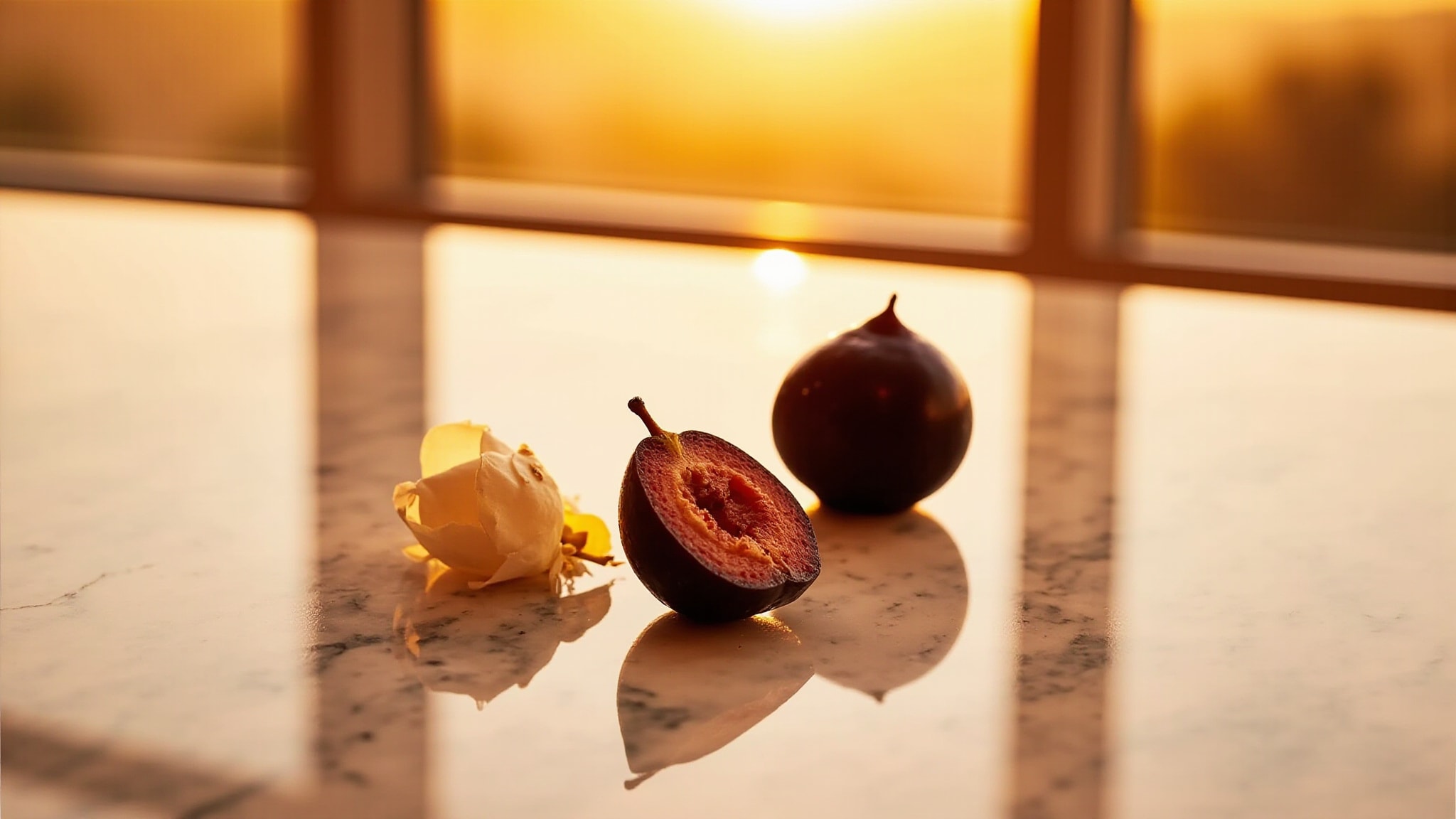
What makes Senso structurally interesting is its handling of contrast. The top is fruity and bright, plum and peach give it an almost edible quality, while grapefruit and bergamot keep it from tipping into sweetness. In the heart, Polge spread the florals across eight materials, tuberose, ylang-ylang, jasmine, rose, carnation, heliotrope, orange blossom, orchid, creating a layered effect rather than a singular punch. The florals build and interweave, each contributing its own character without overwhelming the others.
The evolution
The opening announces itself quickly, plum and bergamot arriving together with grapefruit adding a citrus edge that cuts through the sweetness. As the initial fruit notes recede, the florals begin to dominate the composition. The heart phase reveals the true character of Senso. Tuberose rises first, but it is soon joined by ylang-ylang and carnation, creating a spiced floral effect that feels lush without being oppressive. This phase carries the fragrance forward, its duration varying from wearer to wearer. The drydown is quieter but not anticlimactic. Benzoin arrives last, settling into the skin like a warm statement after the noise has cleared. The transition from vibrant opening to rich heart to settled base feels choreographed, each stage flowing naturally into the next.
Cultural impact
Senso arrived during a period of exploration in the fragrance industry, a time when designers were pushing boundaries with maximalist florals and warm bases. The tuberose-forward heart placed it in conversation with the white floral tradition, but the plum opening and amber drydown gave it a signature that set it apart. The fragrance demonstrated how structure could contain abundance, how complexity could feel cohesive rather than chaotic. Its distinctive character made it a reference point, a scent that other creations would be measured against.