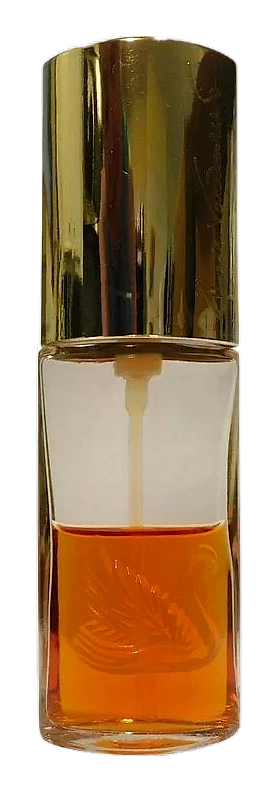

The Story
Why it exists.
The beginning
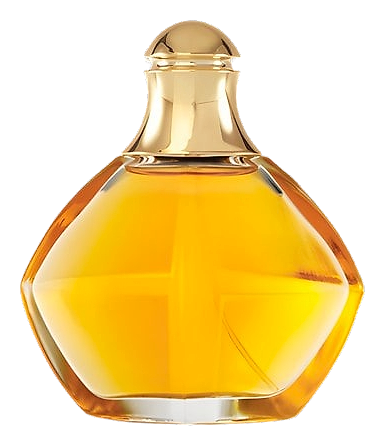
Sophia Grojsman created Vanderbilt in 1982 as an extension of Gloria Vanderbilt's identity as an artist and designer. The fragrance world at that moment was ready for something that carried the weight of creative conviction. Grojsman built an oriental floral with a richness that felt intentional rather than accidental, a composition that wore its ambition openly. The scent did not hide behind the celebrity name. It stood on its own merits, the kind of work that made people stop and take notice not because of who commissioned it, but because of what it delivered in the bottle. This was a fragrance built to last, not just in the sense of longevity on skin but as something that would remain in the conversation years after its launch.
What makes Vanderbilt's structure interesting is how the aldehydes function as a delivery system rather than a statement. They lift the florals, particularly the tuberose and jasmine, and carry them skyward in the opening, so the composition reads bright before it reads heavy. The carnation in the heart is the sleeper hit: spicy, almost clove-like, it keeps the florals from becoming saccharine. Then the base does what 1982 bases did best, stacks warm materials until the drydown feels like a room you want to stay in. Opoponax adds a resinous sweetness that rounds the civet just enough to keep it interesting without making it confrontational. The result is a fragrance that knows exactly what it is.
The evolution
The aldehydes arrive first, that sparkling, slightly waxy lift that announces the composition without apologizing for it. Bergamot and green notes tag-team beneath, keeping things fresh for the first fifteen minutes. Then the florals take over. Jasmine first, then tuberose asserting itself with that creamy, almost indolic presence that defines the heart. Carnation slips in with a spice that reads warm rather than sharp. The base is where Vanderbilt earns its reputation: vanilla and sandalwood anchor everything in warmth, the cinnamon adds a dry spice that keeps the sweetness honest, and the civet, quiet, present, adds the kind of depth that makes skin smell like skin. As the hours pass, the fragrance settles into something softer, the initial boldness mellowing into a drydown that lingers close to the skin.
Cultural impact
Vanderbilt occupies a particular place in fragrance culture: a discontinued scent that refuses to disappear from conversation. It draws the same polarized reactions it always has, with enthusiasts either loving its bold oriental character or finding it too much for their tastes. What makes Vanderbilt notable is its honesty. It does not try to be anything other than what it is. An oriental floral that wears its confidence without apology, it remains what it always was, unapologetically itself in a market that often asks fragrances to be all things to all people.