

Heritage
A house, in its own words
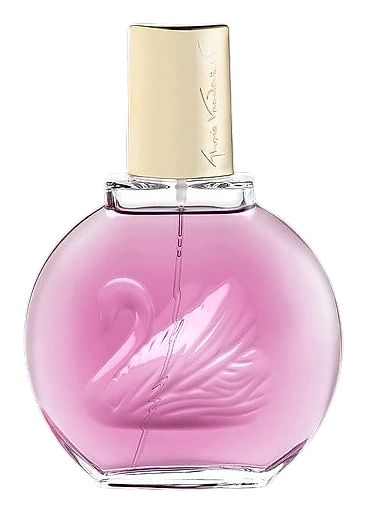
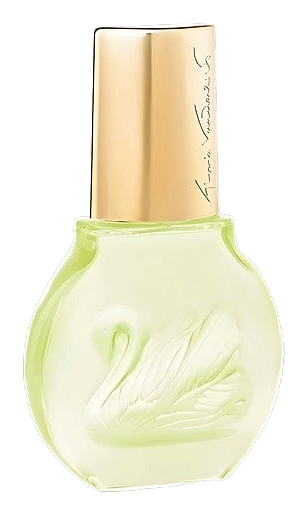
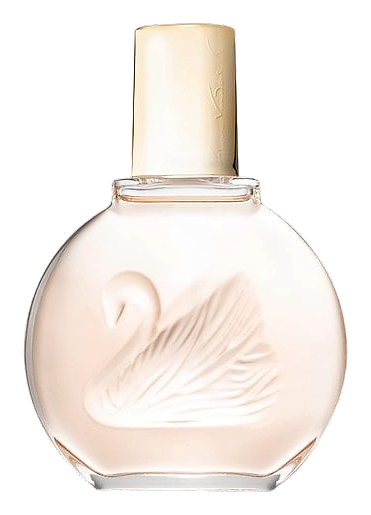
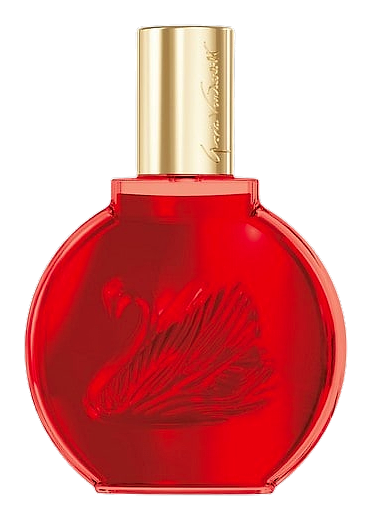
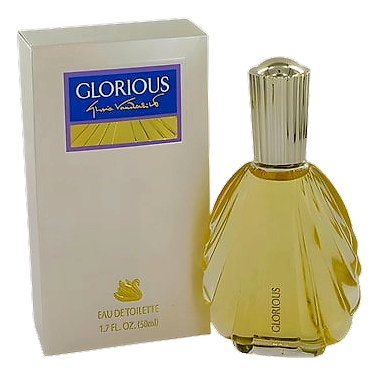
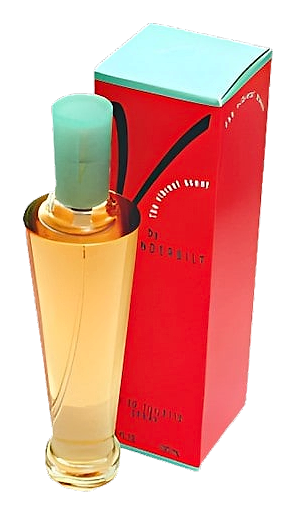
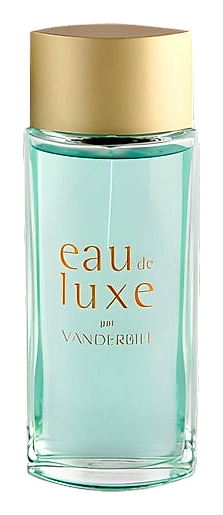
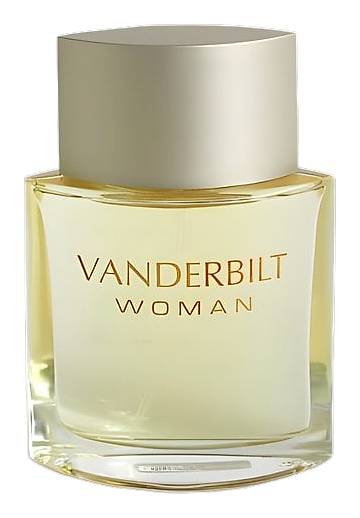
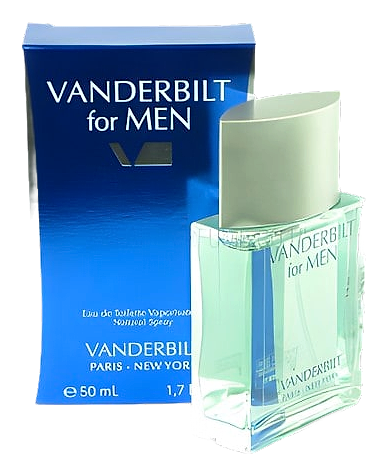
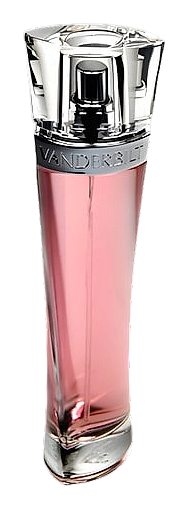
Gloria Laura Vanderbilt was born into one of America's most storied families in 1924. Her early life attracted intense public attention during a famous custody battle between her mother and her aunt, the电报esque Gertrude Vanderbilt Whitney. Rather than rest on inherited status, Vanderbilt pursued a career in art and design from an early age. She began selling her first artwork in the 1950s and developed a line of paper goods for Hallmark in 1971, an early experiment in commercial design that would eventually lead to fashion. In the 1970s, Vanderbilt launched a comprehensive licensing operation that included fashion, household goods, and fragrances, with Warner Cosmetics producing her beauty line. The original Vanderbilt fragrance arrived in 1982, becoming one of the era's recognizable women's scents. Throughout the following decades, the brand maintained a presence in fragrance with variations and flankers, targeting consumers who appreciated classic oriental and floral compositions without the overwhelming sillage of some 1980s competitors. Warner Cosmetics, which also handled Ralph Lauren fragrance licensing, managed the beauty division before eventually transferring rights through various corporate transitions. Vanderbilt herself remained actively involved in her brand's image, contributing her distinctive artistic sensibility to marketing and packaging across multiple decades. Vanderbilt approached fragrance as an extension of her identity as an artist and designer. She believed that scent, like fashion, should serve as a form of self-expression rather than social signaling. Her fragrances tend toward classic feminine florals with oriental warmth, compositions that suggest confidence without aggression. The brand philosophy emphasizes accessibility, positioning these scents as entry points into fragrance rather than exclusive collector's items. Vanderbilt herself spoke about fragrance in interviews as something intimate and personal, noting that the right scent could unlock memories and moods. This humanistic perspective shaped how the brand developed its fragrance portfolio, favoring timeless appeal over trend-chasing. The decision to work with established perfumers like Sophia Grojsman reflected Vanderbilt's respect for craft even within commercially oriented projects.