
The Story
Why it exists.
The beginning
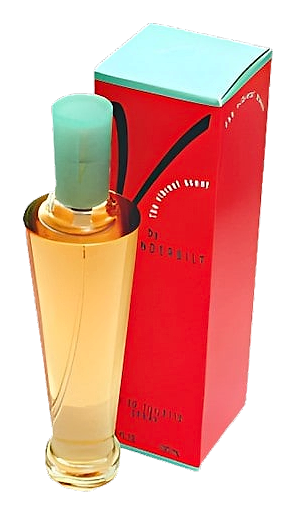
V arrived in 1994, five years after the original Vanderbilt by Sophia Grojsman. Honey and water lily give it a sweetness without heaviness, while the citrus and fruity top notes keep it on the bright side of feminine. The honey note is soft and golden, not sharp or medicinal, threading through the composition with a warmth that feels inviting rather than overwhelming. The water lily adds a quiet aquatic quality, a subtle coolness that balances the sweetness and prevents the scent from feeling heavy on the skin. As the fragrance settles, the citrus sparkle fades and the honey becomes more pronounced, weaving between the water lily and the underlying floral heart. The dry down is gentle, with soft woody undertones that keep the composition grounded and intimate.
What makes V interesting is that it doesn't commit fully to any single territory. The aquatic notes, water lily, and the fresh notes accord suggest transparency, but the honey underneath keeps it warm. It's neither a cool scent nor a warm one. Neither strictly fresh nor orientally soft. This ambiguity is actually the point. The composition occupies a middle register where the sweetness of the honey and the coolness of the water lily create an interplay that keeps the wearer engaged.
The evolution
The opening announces itself briefly, a flash of citrus brightness over ripe fruit, then recedes. What takes over is the honey. Not sharp or medicinal, but a soft golden sweetness that plays against the water lily's quiet aquatic cool. The floral notes arrive mid-stream, understated, never overpowering. The woody base settles last, close to skin, adding a grounded finish that lingers long after the top notes have gone quiet. The sillage is subtle, the scent stays close, intimate, the kind of presence you notice when someone leans in. As the hours pass, the honey becomes more pronounced, threading through the water lily and floral notes, while the woody undertones provide a soft, lingering foundation.
Cultural impact
V found its place in a landscape where transparent, airy compositions were becoming increasingly common. The honeyed floral with aquatic undertones offered a distinctive voice within that space. Not a cult object or a statement fragrance, it occupied a quieter register. The honey adds depth and warmth, while the water lily and aquatic notes provide transparency without feeling thin. What made it notable was its ability to balance these elements in a way that felt cohesive rather than conflicted. The fragrance invited wearers to experience it on its own terms, finding comfort in its consistent character and nuanced construction.