The Story
Why it exists.
The beginning
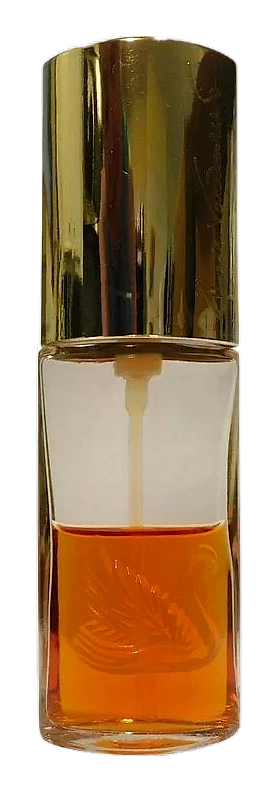
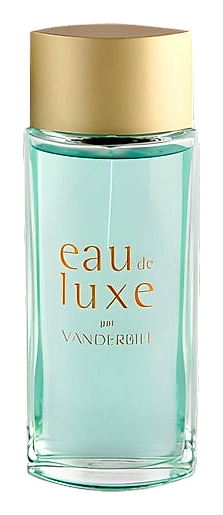
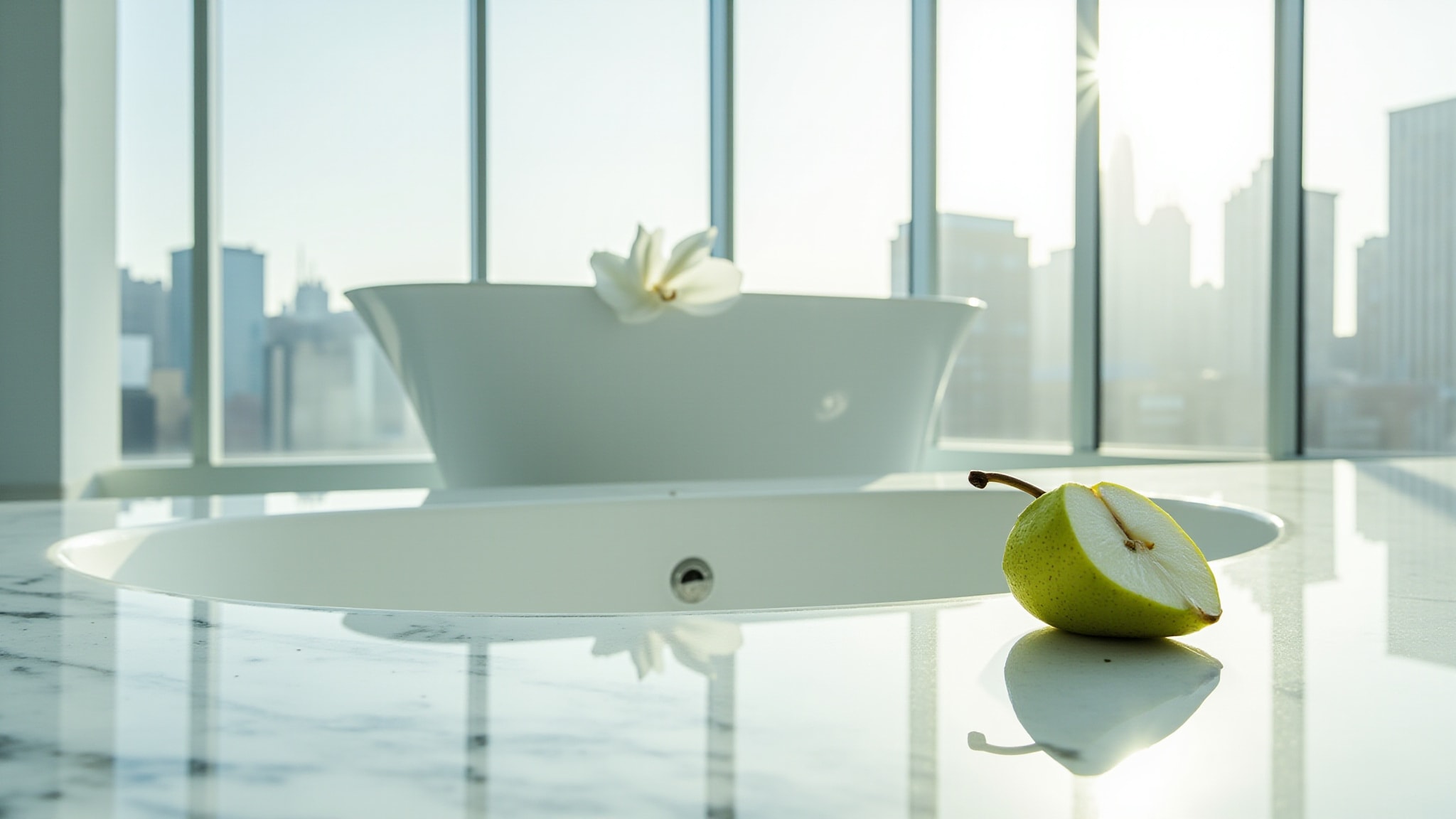
Eau de Luxe arrived in 2004 as Gloria Vanderbilt's entry into the fresh-aquatic category. The inspiration, glacial mineral water, translated into a composition that opened bright with pear, mandarin, and blackberry before cooling into an aquatic heart. The top notes strike an immediate crispness, the pear lending a subtle sweetness that keeps the citrus from sharpness. The blackberry adds a tart, slightly jammy quality that feels natural rather than synthetic. As the opening settles, the aquatic element emerges, bringing a cool, clean sensation that evokes the clarity of mountain springs. This fresh-aquatic direction offers something distinct from the original 1982 fragrance, which was built on oriental floral warmth.
What makes this composition work is the restraint. Aquatic notes can veer synthetic, but here the water quality stays mineral and cool, almost pristine. The white florals (lily of the valley, peony, orchid) don't compete with the aquatic so much as soften it. The musk base doesn't ground in the heavy oriental sense; it extends. A second skin, quiet. The fruity top notes, particularly the pear, give it just enough personality to keep the cool from becoming clinical. It's a balance that requires precision, and the 2004 release achieved it.
The evolution
The opening is the sharpest moment. Mandarin and blackberry arrive clean and tart, almost astringent, the smell of crushed stems before the bloom. Within minutes the aquatic asserts itself, cool and contained, never medicinal. Then the florals. Peony comes in soft, alongside rose and jasmine that bloom without shouting. The lily of the valley adds that green, dewy character, crushed petals after rain. The fruity sweetness evolves as the fragrance develops, and the musk arrives to provide warmth and intimacy in the base. The drydown is a skin scent in the truest sense. It does not project. It stays. On fabric, the white floral notes prove tenacious, lingering well after the skin phase has settled. The overall longevity is substantial, holding through extended wear, while the sillage remains close to the body, never demanding attention from across the room.
Cultural impact
Eau de Luxe occupies an interesting position in the Vanderbilt line. It is the fresh-aquatic option, cooler and lighter than the original 1982 oriental floral fragrance. The white floral dominance gives it a feminine register without sweetness overload. Wearers describe it as a scent for everyday, not a statement fragrance but a companion. It presents an accessible entry into the collection, appealing to those who want something refined without complexity. The composition strikes a balance between freshness and softness that makes it versatile enough for regular wear.