
The Story
Why it exists.
The beginning
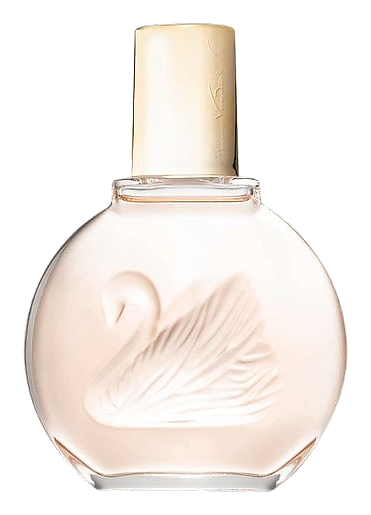
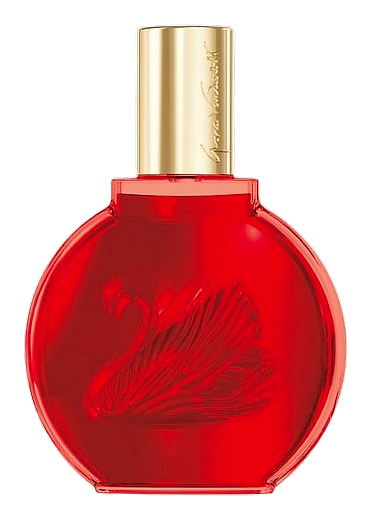
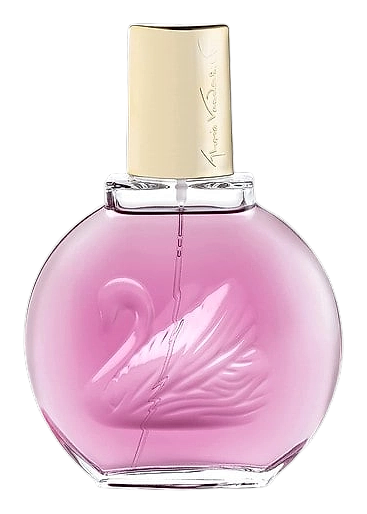
Minuit à New York arrived in 2015, named for the moment the city shifts tone. Dora Baghriche-Arnaud built the composition around opulent white flowers, tuberose, gardenia, jasmine, the kind that bloom at night and don't ask permission. The reference point was New York's night lifestyle: the energy of streets that stay awake, the glamour that doesn't sleep. It was positioned as an oriental floral for a woman who moves between creative worlds with the kind of restless elegance that Gloria Vanderbilt herself made iconic decades earlier.
What makes the structure interesting is the gardenia-forward heart. Tuberose leads the opening, but gardenia takes the middle, creamier, rounder, less aggressive than tuberose alone. The violet isn't the candy-bubblegum expression. It's darker. A night-bloomer, someone on enthusiasts noted. The suede in the base is the unexpected move, suede reads as skin-closeness, warmth, a hint of animal without going there. Sandalwood and patchouli support it. Amberwood adds a woody sweetness. It's a white floral that learns how to be intimate.
The evolution
The first minutes are creamy and slightly syrupy, white florals in full bloom, the pink peony doing quiet softening work. The opening can read medicinal for some. Thirty minutes in, the gardenia asserts itself, and the violet reveals that darker quality. Jasmine arrives to join the garden party. The heart holds for two to three hours on most skin. Then the handoff: sandalwood and suede take over. Powdery. Close. The patchouli is a whisper if it's there at all. Lasts a workday on the right skin. Suede and powder linger into the evening.
Cultural impact
Minuit à New York occupies a specific space: opulent white florals for a woman who doesn't need the fragrance to announce her. The reception has been notably positive for value, wearers consistently praise the volume-to-price ratio. The tuberose-gardenia pairing draws comparisons to higher-priced niche releases, which contributes to the blind-buy appeal. The divisive element, the medicinal or syrupy opening for some, hasn't meaningfully damaged reception, likely because the drydown consistently delivers.
The House
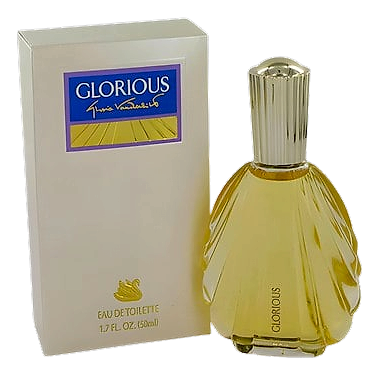
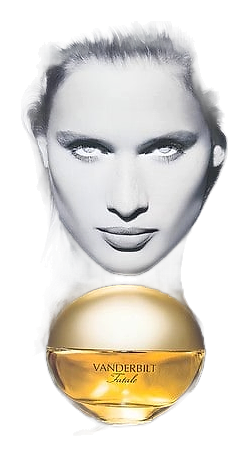
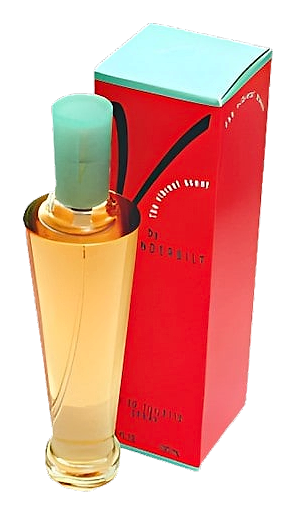
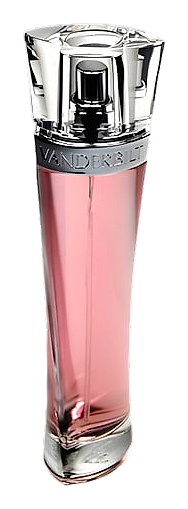
Gloria VanderbiltGloria Vanderbilt fragrances emerge from the world of a singular American original. Vanderbilt (1924-2019) moved across art, literature, fashion, and design with a restless creative spirit that made her a cultural fixture for decades. Her venture into perfumery began with the 1982 launch of Vanderbilt, an oriental floral created by perfumer Sophia Grojsman. The collection eventually expanded to include notable releases such as Glorious (1988), Honeymoon (1996), Reverie (1999), and Minuit à New York (2015). These fragrances exist at the intersection of accessible luxury and personal expression, reflecting Vanderbilt's own philosophy that fashion and beauty should feel like self-discovery rather than conformity.
The Creator
Dora Baghriche-ArnaudMediterranean roots and French training give Baghriche's work a distinctive clarity. She favors ingredients with strong character and provenance, often selecting materials that carry cultural memory.