The Story
Why it exists.
The beginning
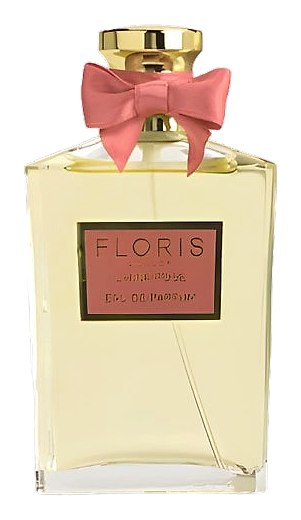
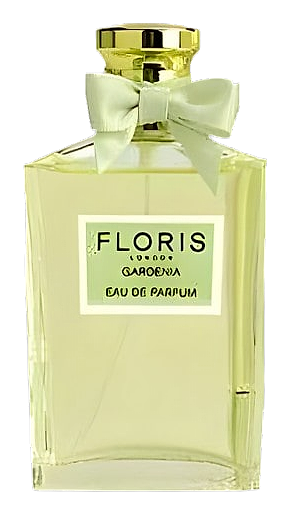
Gardenia arrived in 1996 as Floris London staked a claim on the white floral territory that every house was quietly circling. Floris, the nearly-300-year-old perfumery with royal warrants and a Jermyn Street address, could have made something safe. Instead, they made something that took the gardenia seriously as a flower, not a concept. The name is the brief: this is a fragrance about one bloom and what it can do when a house with this kind of history decides to build around it. Not a gardenia interpretation. A gardenia argument.
The tension in Gardenia lives between what white florals want to be, lush, almost overwhelming, indolic, and what Floris needed them to be, composed, structured, British. The cyclamen and lily of the valley don't just fill out the heart; they hold the gardenia and ylang-ylang's richness in check. Meanwhile, the base of sandalwood and labdanum keeps everything grounded, preventing the florals from floating away into abstraction. It's a white floral that earns its petals.
The evolution
The opening arrives crisp: bergamot, neroli, a suggestion of peach. Bright enough to catch attention but not loud about it. This phase lasts maybe twenty minutes before the white florals take over, gardenia first, then jasmine and tuberose joining in a heart that feels generous without being excessive. The ylang-ylang adds a honeyed quality that deepens everything. By hour two, the florals are still present but the sandalwood and labdanum are doing their work, blending with the musk in the base to create something warmer, more personal. The final drydown is skin-close. Not a whisper, more like a warmth that someone standing beside you would notice. Four to six hours total, leaning closer to four on lighter skin.
Cultural impact
Gardenia has quietly remained one of Floris's most consistently beloved compositions since its 1996 debut. It occupies a particular niche: white floral enthusiasts who want the gardenia without the soap, and heritage fragrance collectors who appreciate structure over abundance. The discontinued status has only sharpened its appeal, sought now by those who understand what Floris was doing with restraint in an era of maximalist florals.