The Story
Why it exists.
The beginning
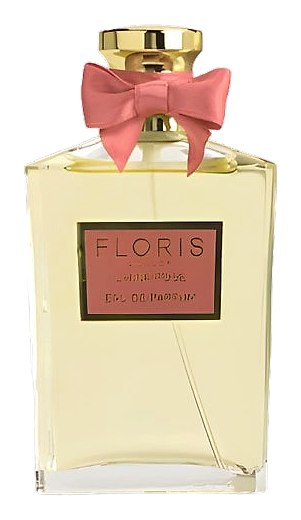
China Rose arrived in 2000. The name raises a question: what does a Chinese rose smell like? The answer reveals a fragrance that refuses to behave like a standard powdery rose. Rather than building toward sweetness, the composition opens with it, raspberry and peach arriving eager and slightly tart, before the herbal sage arrives to complicate things. As the heart develops, the rose doesn't simply bloom; it asserts itself alongside geranium and violet, creating a more intricate middle ground. Patchouli takes over as the dominant force, earthy and grounded, wrapping around vanilla and tonka bean that sweeten it just enough without ever becoming confectionery. Floris had been making fragrances for 270 years at this point.
The note structure here is unusual. Fruity openings were common enough by 2000, but pairing them with sage, and then threading clove through the rose heart, pushes the composition toward something aromatic and almost savory. The violet adds powdery softness, yes, but the geranium keeps it green. What could have been a straightforward oriental floral becomes something with actual complexity: the kind of fragrance that rewards sitting with it rather than spraying and walking. The base of patchouli, amber, and vanilla is warm without being heavy, and the vetiver in particular gives the drydown an earthy, lived-in quality that many wearers report as the part that keeps them coming back.
The evolution
The opening announces itself quickly, raspberry and peach, bright and slightly tart, with the sage providing an herbal counterpoint that prevents anything too sweet. The rose doesn't bloom so much as assert itself alongside the geranium and violet, creating a spiced middle that unfolds over the next several hours. Then the handoff: patchouli takes over as the dominant force, earthy and dark, wrapping around the vanilla and tonka bean that sweeten it just enough without ever becoming confectionery. The base settles close to the skin, vetiver and sandalwood creating warmth that invites rather than projects.
Cultural impact
China Rose holds a particular niche among heritage florals. It was discontinued at some point and that scarcity has given it a second life among collectors who appreciate its particular combination of powdery warmth and oriental restraint. What it offers isn't the kind of projection that announces itself across a room. It rewards proximity. The moderate sillage makes it a fragrance for the wearer, not the room.