The Story
Why it exists.
The beginning
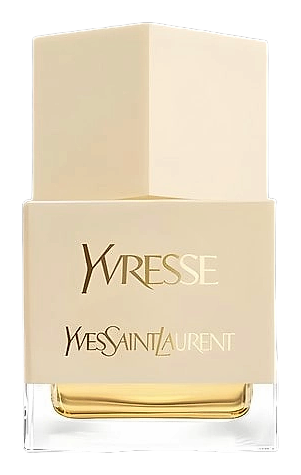
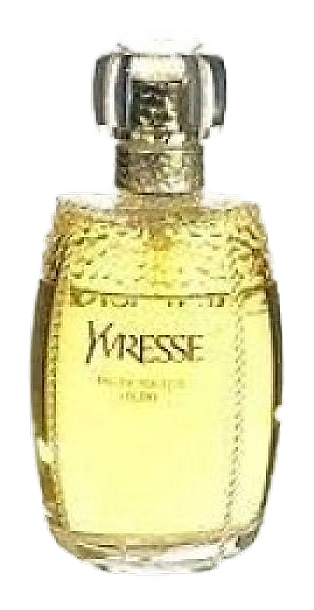
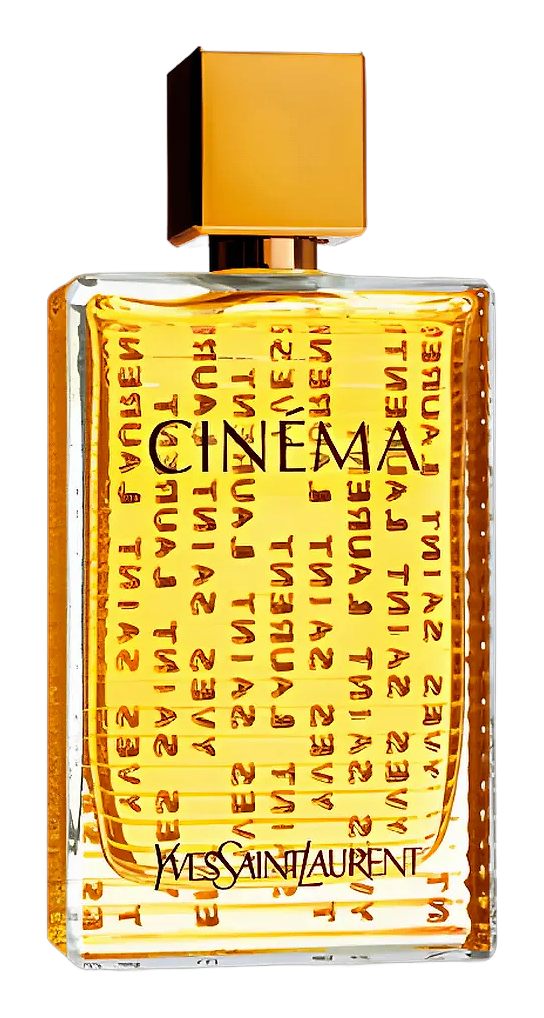
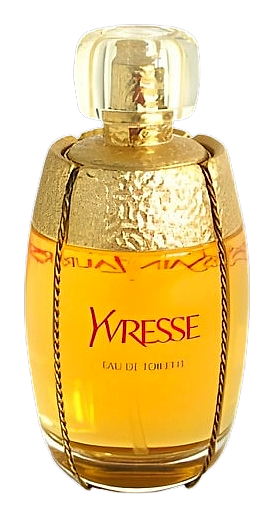
Sophia Grojsman created Yvresse in 1993, originally naming it Champagne. The French sparkling wine industry disagreed. So Yvresse it became, a word that means intoxication, with the house initials woven through it. A happy accident, or a sign that the fragrance was always meant to be exactly what it is: unapologetic, celebratory, and a little dangerous. 'I drink Champagne when I win, to celebrate,' Napoleon once said. 'And I drink Champagne when I lose, for solace.' That duality lives here, the fragrance works at every table, in every mood, for everyone who understands that some nights are worth the cost of admission.
What makes Yvresse remarkable is not any single note but the structural logic holding them together. The opening is an accord of stone fruit and aromatic herbs that arrive simultaneously, sweet and sharp, warm and cool. The transition to the heart is not a handoff but a merging, where rose and carnation appear alongside rather than after the fruity warmth. This simultaneity is the mark of a perfumer who trusts her materials and her wearer. The drydown refuses to abandon the fruity character entirely, instead it deepens into amber and vanilla, leaving a warm sweetness that coexists with the mossy chypre base rather than replacing it.
The evolution
The opening arrives all at once. Peach, nectarine, apricot, caraway, anise, a sparkling, almost medicinal burst that announces itself before you have time to brace. Thirty seconds in, the mint appears. A cool current running underneath the warmth. This is the first act: bright, slightly jarring, impossible to ignore. The heart takes over within minutes. Cinnamon and rose arrive together, joined by carnation and the powdery violet-iris axis. The litchi softens everything, adds a watery sweetness that stops the spices from sharpening. This middle phase has real presence, warm, floral, intimate. The kind of aura that fills a room without filling it, like the warmth of someone sitting close in a cold room. The drydown is where Yvresse earns its chypre classification. The fruity brightness fades but does not disappear. Instead it settles into the oakmoss and vetiver, which provide the mossy, earthy grounding that defines the genre. Amber, benzoin, and vanilla wrap everything in warmth. Patchouli and cedar anchor the base.
Cultural impact
Yvresse occupies a specific cultural position: it is the fragrance for the woman who wants to be noticed without trying to be. The original 1993 release arrived in an era of sleek minimalism and went the opposite direction, warm, powdery, unapologetically present. It has since developed a devoted following among those who discovered it in the 90s and refuse to let it go, while continuously finding new admirers who encounter it and wonder why nothing since has captured that particular combination of warmth and sparkle. The name change from Champagne to Yvresse was legally mandated, but it became an asset, the wordplay on intoxication and the house initials felt more YSL than the original could have been.