
The Story
Why it exists.
The beginning
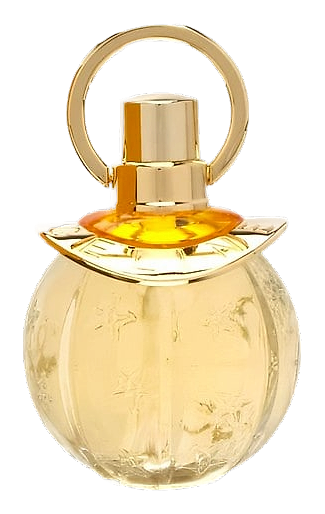
Magic arrived in 1996, a time when French perfumery still believed in declarations. Sophia Grojsman, the perfumer behind some of the era's most confident florals, built this as a statement piece, something with presence, not restraint. The name said it all: this was a fragrance that wanted to be noticed. It landed in a moment when the fashion world was watching Celine closely, with Michael Kors steering the house toward modern luxury. Magic was part of that conversation. A bold, saturated floral Oriental that drew from the house's couture heritage without apologizing for wanting to be beautiful.
The white florals, ylang-ylang, jasmine, lily of the valley, form a heart that doesn't apologize for being dense. Ylang-ylang brings its tropical, almost intoxicating sweetness. Jasmine adds richness. Lily of the valley keeps it grounded with something cleaner, greener beneath. The base is where it earns its powdery reputation: amber, sandalwood, and patchouli create warmth without heaviness. Musk threads through everything, keeping the drydown intimate, close to the skin. The result is a fragrance that balances sweetness with something more textured, a structure that rewards attention.
The evolution
The opening is a brief green moment before the florals take over. Clementine sparks sharp and bright, pear adds fruit, coriander brings unexpected herbaceousness. That green quality doesn't last long, the florals arrive within minutes. Orchid leads, but the ylang-ylang becomes the story. This is a fragrance that announces itself. The heart lasts hours, longer than most. The drydown is where it softens. Amber and sandalwood provide warmth, patchouli adds depth, and the musk becomes more present, wrapping everything in something skin-close. The sillage stays strong without being overwhelming. It lingers 8-10 hours on most skin types, settling into a powdery warmth that invites rather than demands.
Cultural impact
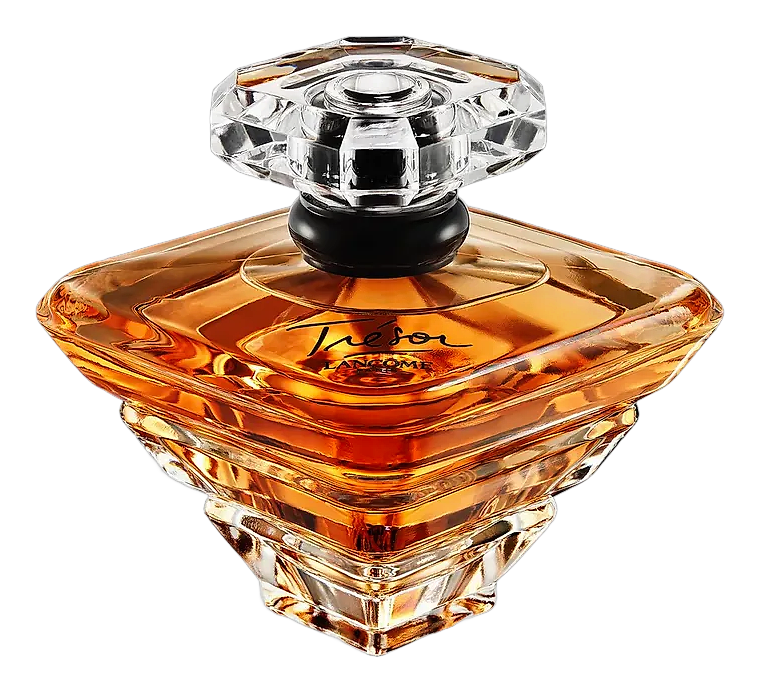
Magic belongs to a specific moment in 90s perfumery when bold, saturated florals were a statement of confidence. The fragrance sits in the chypre Floral category, florals dominant over a warm, powdery base. Sophia Grojsman, who also created Lancôme Trésor, brought her signature approach to Magic: rich florals layered over a substantial base that gives the scent real presence. It's the kind of fragrance that doesn't whisper. In the context of Celine's modern revival, Magic represents what the house was doing before the long silence, a confident, feminine statement that understood luxury as declaration, not suggestion.