The Story
Why it exists.
The beginning
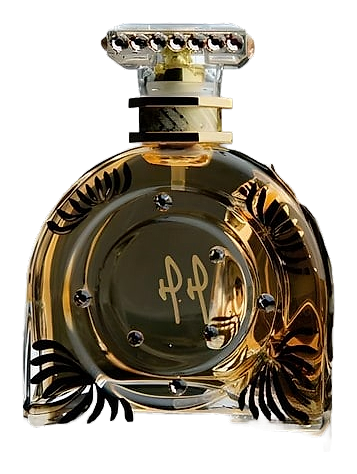
Geoffrey Nejman and Jean-Claude Astier built Note Poudrée around a quiet conviction: powder notes deserve to lead, not support. The name says it all. Where most fragrances tuck powder into the drydown, this one makes it the statement. Released in 2007, it arrived at a moment when niche perfumery was still finding its voice, and this was a house making its position clear. Not a footnote. A headline.
What makes this composition interesting is how the powder element is earned rather than assumed. Peach opens bright and almost sharp, a fruity jolt that prevents anything dusty from settling too quickly. Then jasmine and rose arrive, the florals doing what powdery florals do best, bridging fruit and warmth without tipping into retro. The result is a fragrance that knows exactly what it is and never apologizes for it.
The evolution
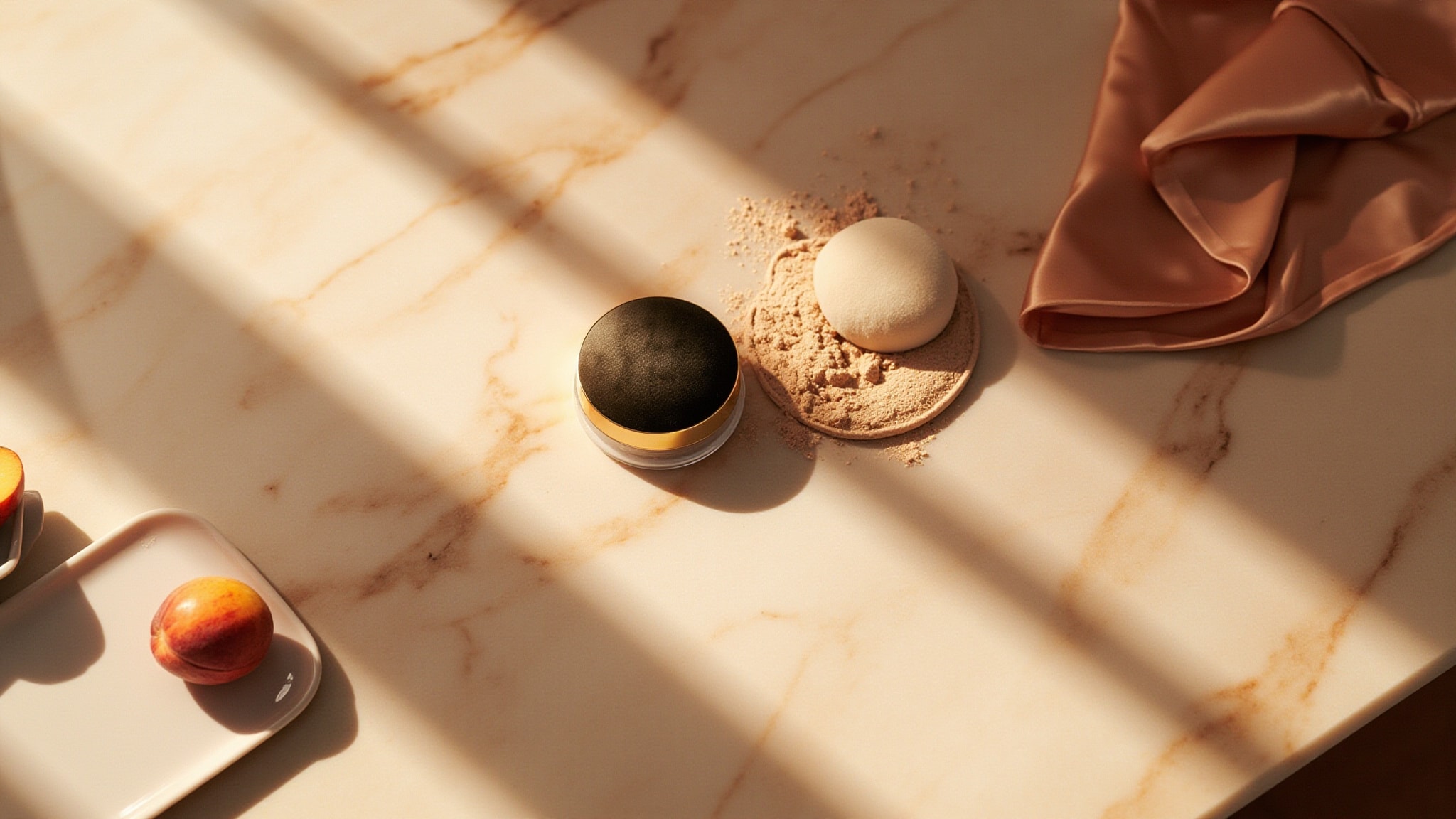
The opening is all peach, ripe, sun-warm, slightly tart against the skin. Within twenty minutes the florals take over, jasmine asserting itself alongside rose in a partnership that feels creamy rather than green. The powder quality isn't dusty; it's soft, like pressed powder in a compact rather than loose mineral. As it settles, cedar and patchouli arrive to ground everything, and amber, warm and resinous, stretches the wear into evening. On most skin types it holds for six to eight hours, moderate sillage that stays close rather than announces. The drydown eventually fades to vanilla and cedar, skin-warm, intimate, easy to reapply.
Cultural impact
Powder notes carry baggage. Too often dismissed as old-fashioned or laundry-adjacent, they're frequently consigned to supporting roles in perfumery. Note Poudrée challenges that assumption, a fragrance made in 2007 that positioned powder as a feature, not a flaw. It's earned a devoted following among those who appreciate powder's warmth without theretro connotations. The fragrance rewards someone who knows what they want and doesn't apologize for wanting it.