The Story
Why it exists.
The beginning
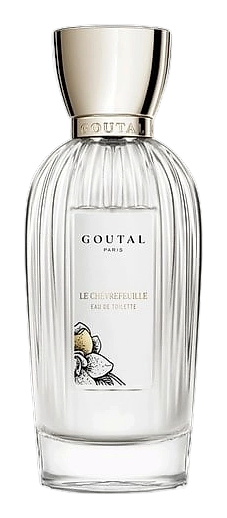
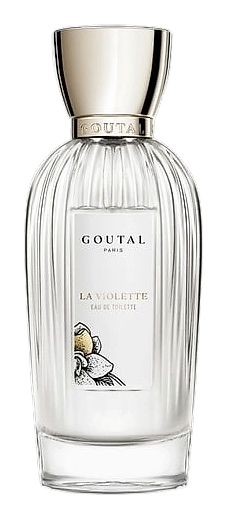
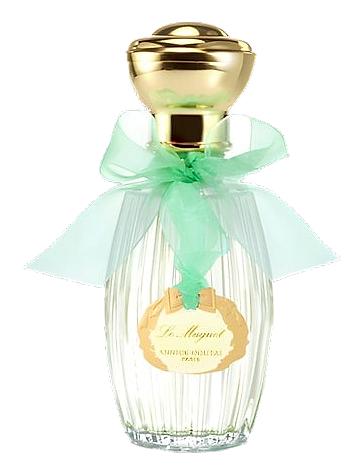
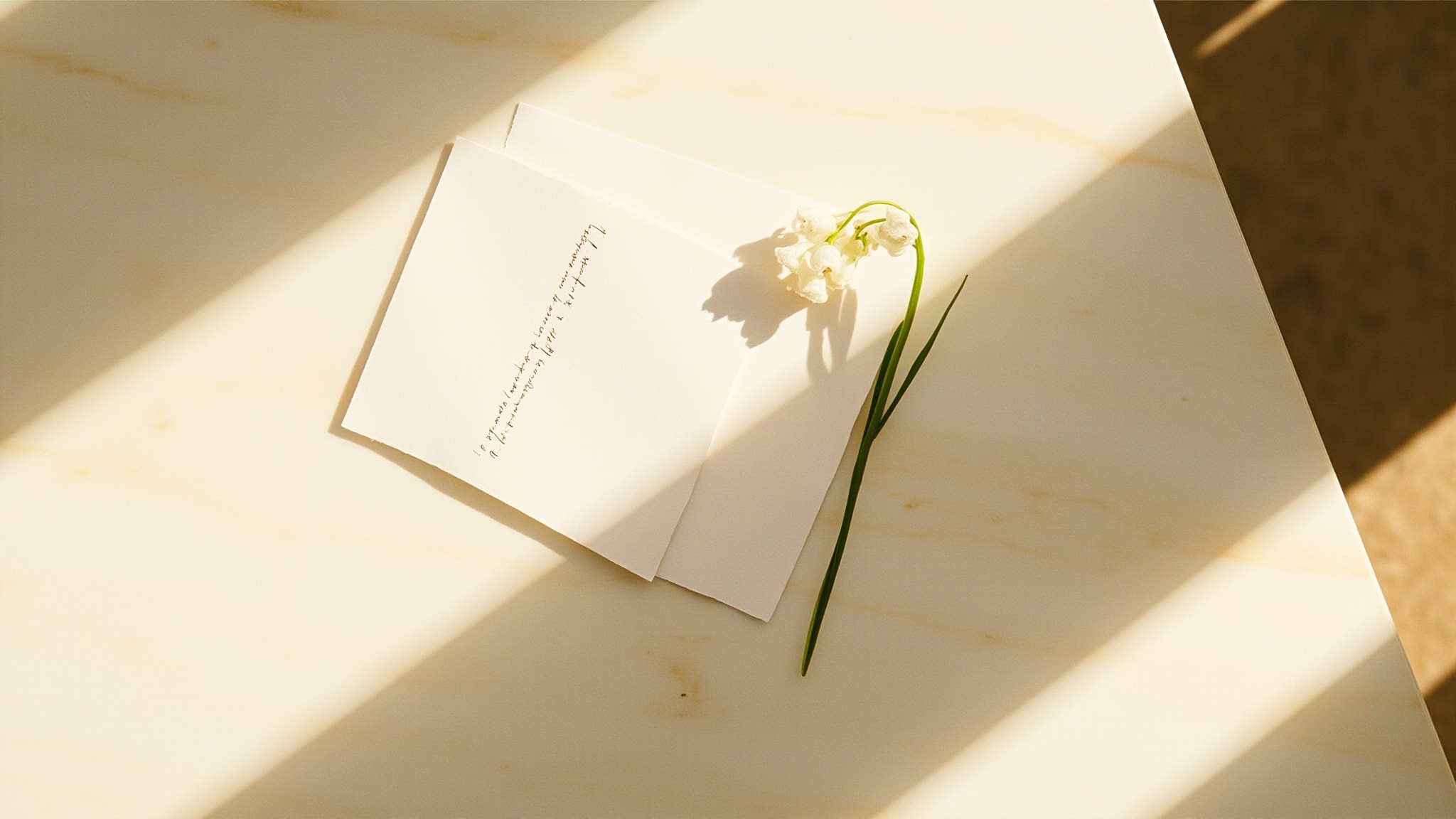
Le Muguet translates to lily of the valley, and on May 1st in France, that's not just a flower. It's a gift. A sprig tucked into a neighbor's hand, a sprig left on a doorstep, a sprig slipped into a pocket for luck. The tradition dates back to 1561, when King Charles IX received one and the gesture became national. Goutal's 2001 interpretation honors that: something personal, something quietly optimistic, something worth giving. Isabelle Doyen and Camille Goutal built it as a letter to spring, the moment the ground warms and a flower that smells like damp morning air becomes the whole world.
What makes Le Muguet interesting is restraint. Lily of the valley is a challenge, it's fleeting, it's green, it's specific. Most fragrances that claim the note end up as a general white floral wearing a muguet label. Here, the red berries do something unexpected: they add a tartness that keeps the sweetness honest. Rose and benzoin in the base don't announce themselves, they round the edges, they make the flower feel like it grew somewhere real. The result is a lily of the valley that smells like lily of the valley, not a perfumer's approximation of one.
The evolution
It opens bright. That green, dewy character arrives first, the smell of stems cut at dawn, before the sun pulls the scent away. The red berries appear within minutes, adding a quiet tartness that shifts the sweetness from soft to present. Then the rose arrives, not as a statement but as a softening. By hour two, the composition settles. The benzoin anchors things, warm, resinous, intimate. What lingers at four to six hours is not the opening's brightness but a clean, close, skin-like warmth that someone near you might catch if they're paying attention.
Cultural impact
Le Muguet holds a specific position in the Goutal catalogue: the lily of the valley for people who find most interpretations too fleeting or too powdery. It's not the brand's best-known release, but among those who seek it out, the response is consistent, it smells like the flower, done cleanly, without apology. Spring remains its natural season, and daytime its natural context.