The Story
Why it exists.
The beginning
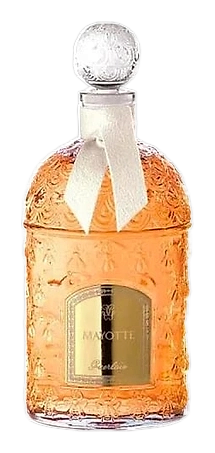
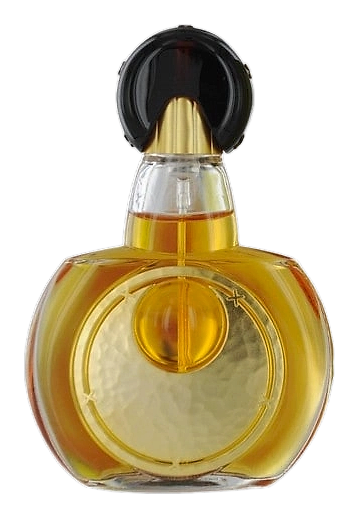
Jean-Paul Guerlain created Mahora as his final act at the house that bore his name, a parting statement after decades shaping Guerlain's identity. The fragrance opens with a luminous burst of tuberose, its creamy white petals unfurling against a warm, slightly animalic backdrop that hints at the depth to come. As the scent develops, layers of ylang-ylang and jasmine emerge, their tropical sweetness woven together with a rich, resinous base that gives the composition remarkable staying power. The name itself echoes another Guerlain creation, Mayotte, within the house's catalog. This was Guerlain signing off, a final statement from a perfumer who understood that great fragrance is meant to linger in memory long after the bottle is empty.
What makes Mahora distinctive is its willingness to be tropical in a way that French perfumery rarely attempts. The white floral heart, tuberose dominant, ylang-ylang and jasmine in support, doesn't hedge. It arrives with heat, with presence, with a characteristic that reads as sunscreen in the best possible sense: sun-warmed skin, gardenia on a terrace, the moment sun crosses the horizon. The green and citrus top notes do their work quickly, softening the entry, but the heart is where Mahora lives. The sandalwood-vanilla base keeps it grounded, transforming that tropical abundance into something that lasts.
The evolution
The opening announces itself without apology. Bright green and citrus arrive first, but tuberose isn't far behind, within minutes the tropical floral heart takes over, full and heady and impossible to miss. There's a moment, about twenty minutes in, where the composition feels almost buttery, the transition from sharp top to creamy heart complete. That's when Mahora earns its reputation. The sillage drops noticeably as the drydown approaches, the sandalwood and vanilla working closer to the skin, the vetiver adding a dry, green counterpoint. What lingers eight hours later isn't the tropical explosion of the opening but something softer, powdery, warm, still carrying traces of that initial richness but refined into a whisper rather than a shout. On clothes, it can last into the next day, a ghost of warm flowers on fabric.
Cultural impact
Mahora occupies an unusual position in the Guerlain catalog, a fragrance that divided opinion upon release but has earned a passionate following among those who appreciate its unapologetic richness. The house has continued after Jean-Paul Guerlain's departure, but Mahora remains a marker of what the house was capable of when it chose to be bold rather than safe. Those who love it tend to love it fiercely, drawn to its unapologetic embrace of tropical florals and its refusal to temper its vision for broader appeal. The fragrance endures as a conversation piece, the kind of scent that announces itself before you even enter the room.