The Story
Why it exists.
The beginning
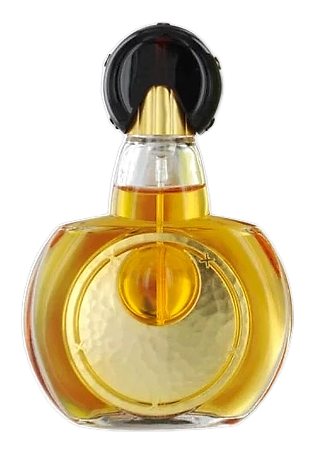
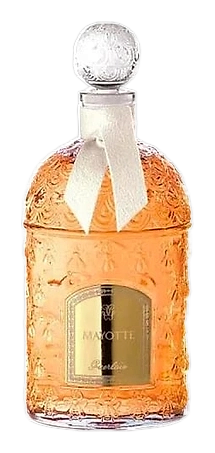
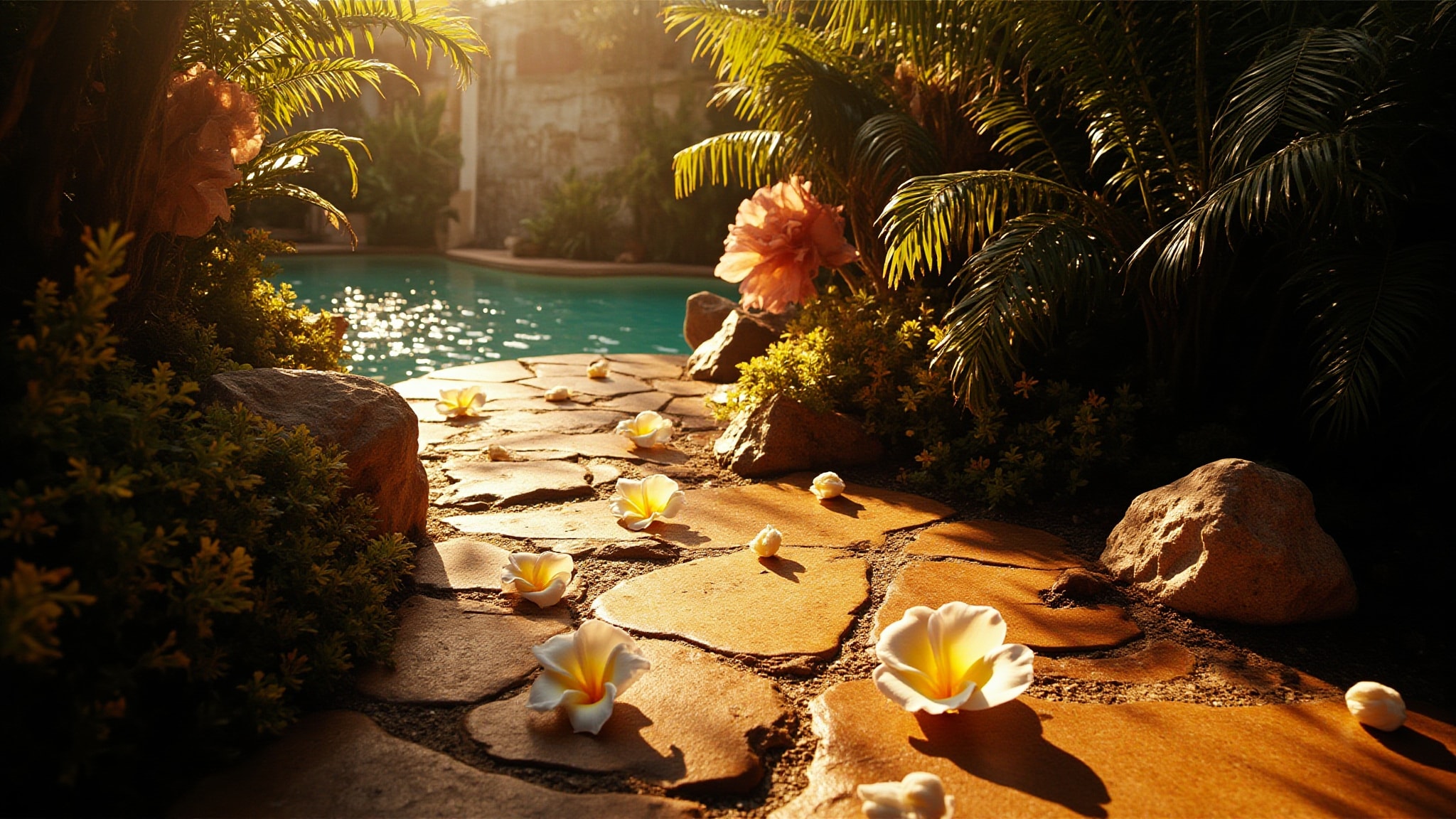
Jean-Paul Guerlain crafted Mayotte in 2006 as part of the Les Parisiennes collection, drawing inspiration from the island of Mayotte itself, a tropical paradise in the Indian Ocean. The fragrance was conceived as an olfactory portrait of sun-lit gardens and fragrant breezes, blending Guerlain's French expertise with distinctly exotic floral materials. The house positioned Mayotte as a scent for women who appreciate opulent white florals rendered with the refinement and craftsmanship synonymous with the 1828-founded Paris house.
Guerlain's approach to Mayotte reflects a philosophy of balancing tropical exuberance with French structural elegance. The green notes at the opening serve a dual purpose: they evoke the fresh vegetative growth of a tropical garden while providing olfactory contrast that prevents the white florals from overwhelming the wearer. Similarly, the inclusion of vetiver in the drydown reflects Guerlain's preference for masculine counterpoints in feminine fragrances, a characteristic of the house that dates back to Jicky and has remained a stylistic signature.
The evolution
The fragrance opens with green notes that recall freshly cut stems and misted jungle foliage, immediately signaling a tropical orientation. Within minutes, the heart begins its dramatic unveiling, led by frangipani's Miltonia-like scent and tuberose's milk-heavy floral intensity. Ylang-ylang introduces its signature creamy-ylang quality while jasmine amplifies the floral volume and neroli adds brightness. As time passes, the florals gradually recede, allowing sandalwood's creamy woody character to emerge, followed by vanilla's sweetness. The final hours belong to vetiver, which introduces an earthy counterpoint that grounds the entire composition in an unexpectedly masculine direction, preventing the drydown from drifting into cloying territory.
Cultural impact
Mayotte, as part of the Les Parisiennes line, quickly became a reference point for tropical white‑floral perfumes within Guerlain’s catalog. Wearers often compare its lush frangipani opening to the earlier Mahora (2005) while noting a smoother vanilla drydown than Belle Epoque (2012). Its strong sillage and long longevity have made it a staple for those seeking a bright, garden‑inspired signature.