The Story
Why it exists.
The beginning
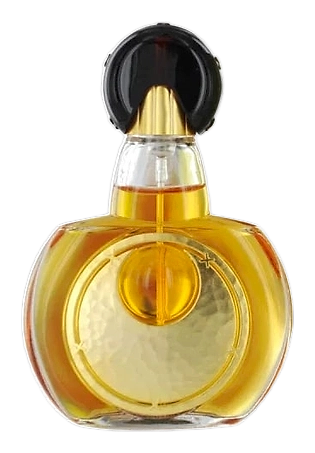
In 1999, Jean-Paul Guerlain undertook a deeply personal project: translating the fleeting beauty of a spring morning into a fragrance. His brief studio notes describe morning dew on white petals, the kind of light that arrives only once before the day heats into something harder and more insistent. For Mahora, Guerlain reached for Almond Blossom and Aldehydes to capture that precise, crystalline quality of early light, layering them against a heart of Tuberose and Ylang-Ylang to create something that felt both immediate and lasting. The goal was not merely a floral fragrance but a meditation on the moment when flowers are most alive, before the heat steals their subtlety.
Guerlain's philosophy with Mahora centered on the idea that a great floral fragrance must contain both lightness and depth. The opening Aldehydes provide the lightness, that effervescent quality that makes the Almond Blossom feel airborne. The heart, anchored by Tuberose and Jasmine, provides the depth, a richness that could only come from flowers picked at their peak. The base of Vanilla and Sandalwood ensures that this richness does not simply dissipate but remains with the wearer, a warm, woody reminder of the flowers that came before. It is a structure built for persistence, for the kind of sillage that announces presence without demanding attention.
The evolution
The narrative arc moves from bright opening to opulent heart to warm, lasting base. Almond Blossom and Aldehydes open the story with a transparency that makes the subsequent Tuberose and Jasmine heart feel almost surprising in its fullness. Ylang-Ylang and Frangipani layer in tropical warmth, while Neroli keeps the floral heart grounded in something approaching bitterness. As Vanilla and Sandalwood arrive, the fragrance transforms from a garden still wet with dew into something worn close to the skin, intimate and lingering, with Vetiver adding the final grounding note of earth and wood.
Cultural impact
Mahora quickly became a beloved staple among fans of refined white florals, often praised for its ability to transition from a fresh daytime vibe to a warm evening aura. Wearers note its suitability for both garden gatherings and Intimate dinners, cementing its place as a versatile classic in Guerlain’s late‑90s portfolio and a frequent reference point for later almond‑orange floral creations.
The House
GuerlainGuerlain stands as one of the oldest and most revered perfume houses in the world, founded in Paris in 1828 by Pierre-François-Pascal Guerlain. What began as a boutique on rue de Rivoli quickly became the preferred destination for Parisian society, attracting dandies and elegant women who sought custom-crafted fragrances. The house's influence grew to such heights that Guerlain earned the title of Official Perfumer to Napoleon III after presenting Eau de Cologne Impériale to Empress Eugénie as a wedding gift in 1853. This royal patronage marked the beginning of Guerlain's enduring association with European aristocracy, as the house went on to create fragrances for Queen Victoria and Queen Isabella II of Spain. Today, under the creative direction of Thierry Wasser, the fifth-generation perfumer, Guerlain continues to shape the landscape of fine fragrance with a portfolio spanning over 1,100 olfactory creations. The house remains headquartered at its legendary Champs-Élysées mansion, a historic monument that anchors Guerlain's position at the intersection of heritage and contemporary luxury.
The Creator
Jean-Paul GuerlainJean-Paul Guerlain's style resists easy categorization, though richness and depth define nearly every composition. He favored opulent oriental structures, warm woods and resins, and florals treated with almost sculptural precision.