Almond Blossom
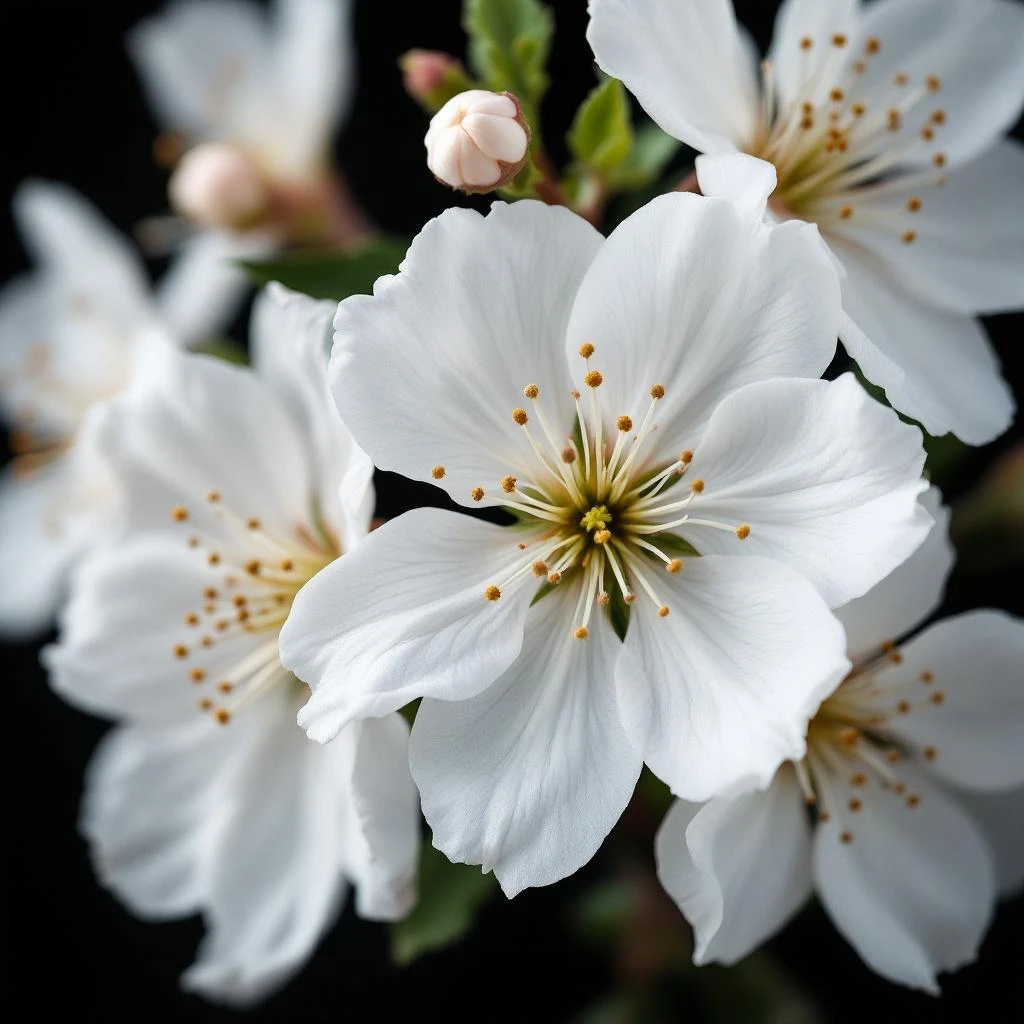
Almond blossom offers a crisp, sweet aroma that blends fresh green notes with a faint almond‑like warmth, evoking early spring orchards. Its light, powdery nuance adds a subtle gourmand edge to many compositions.
Character
How it smells
Spring’s gentle whisper in a single blossom.
Almond blossoms bloom for just two weeks each spring, yet a single kilogram of their petals yields enough essential oil for only a few milliliters of perfume, making the note one of the most scarce natural extracts.









Origin
Spain
Ancient civilizations prized almond trees for both fruit and fragrance. Archaeological records from the Levant show that early perfumers burned almond blossoms to scent temples as early as 2000 BCE. Greek poets described the blossoms as “the breath of spring,” and Roman alchemists distilled the petals using simple press methods.
During the Middle Ages, monastic gardens cultivated almond trees for their dual culinary and aromatic value, and traders exported dried blossoms along the Silk Road. The 19th century saw the first scientific analysis of almond blossom oil, confirming benzaldehyde as its key molecule. By the early 20th century, French perfume houses began blending natural almond blossom absolute with synthetic notes, expanding its use in elegant chypre and fougère formulas.
Today, the note remains a niche favorite, prized for its ability to bridge fresh florals and warm gourmand accords.
Wears it best
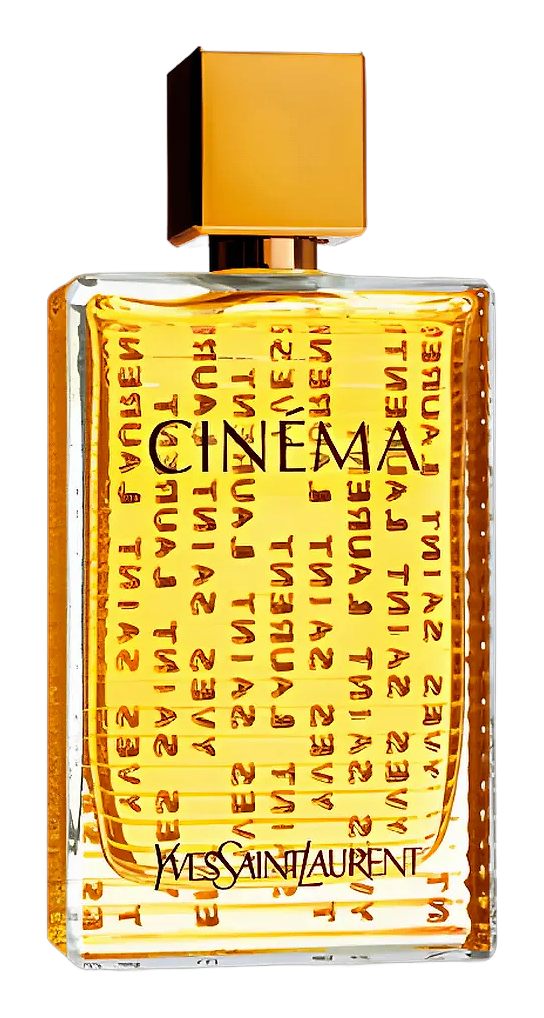
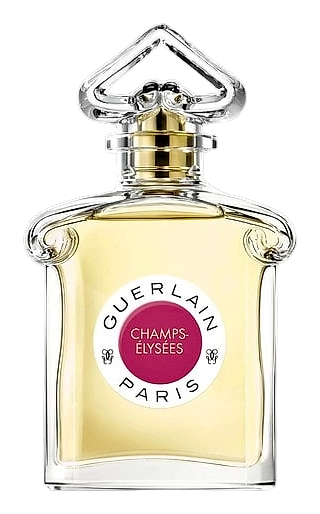
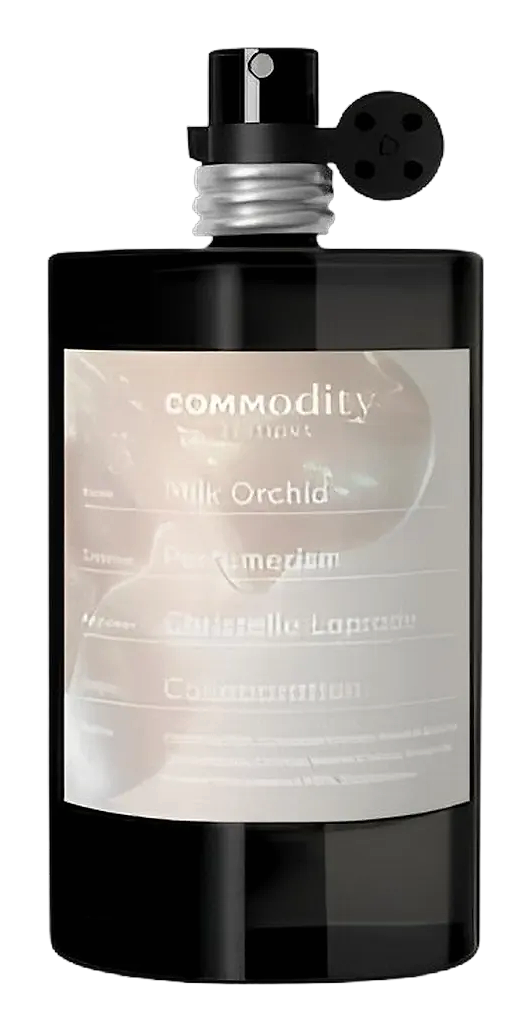
Fragrances featuring Almond Blossom

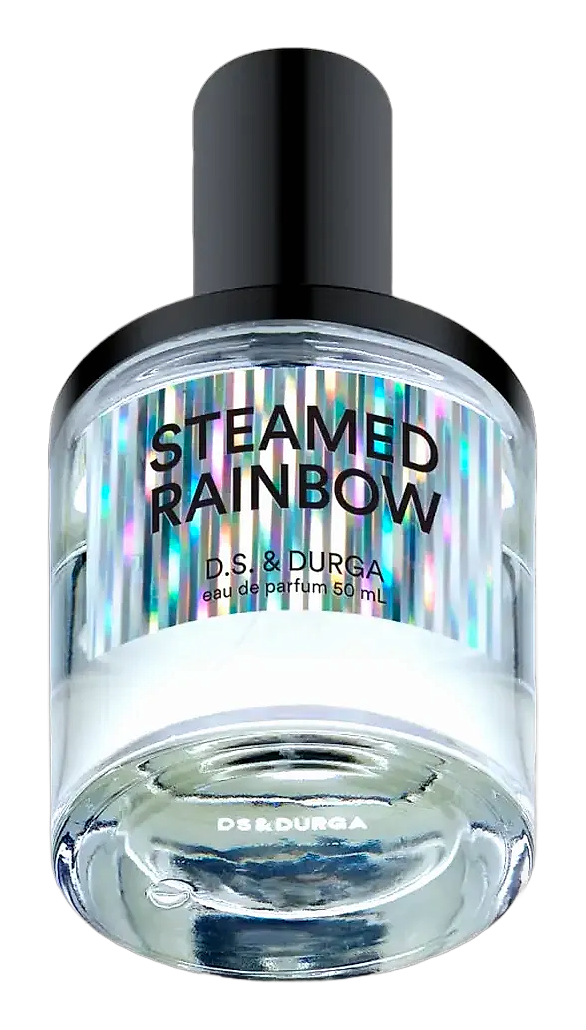
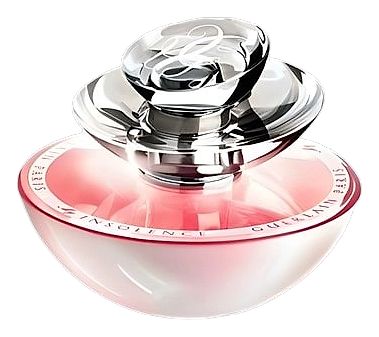
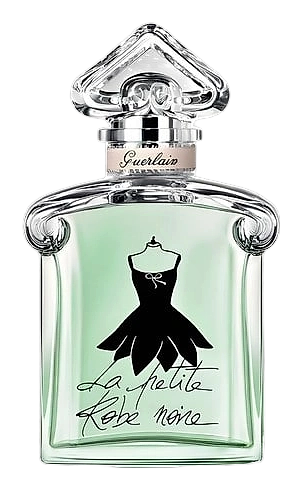
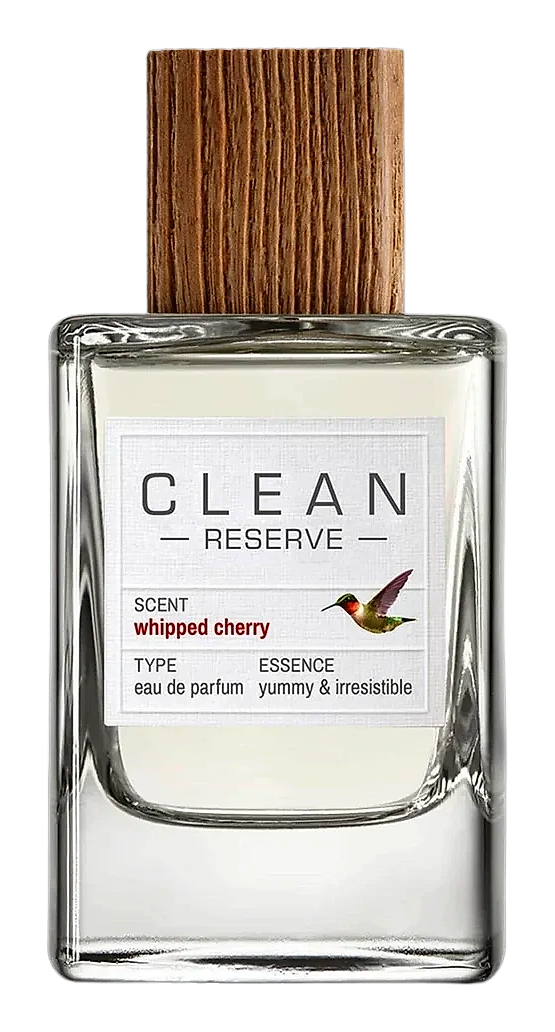
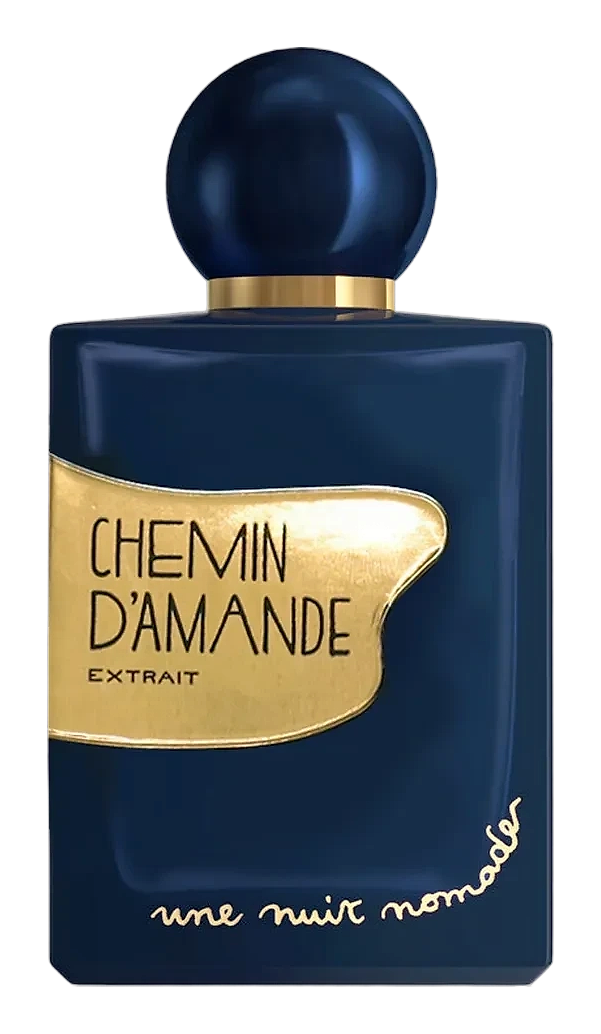
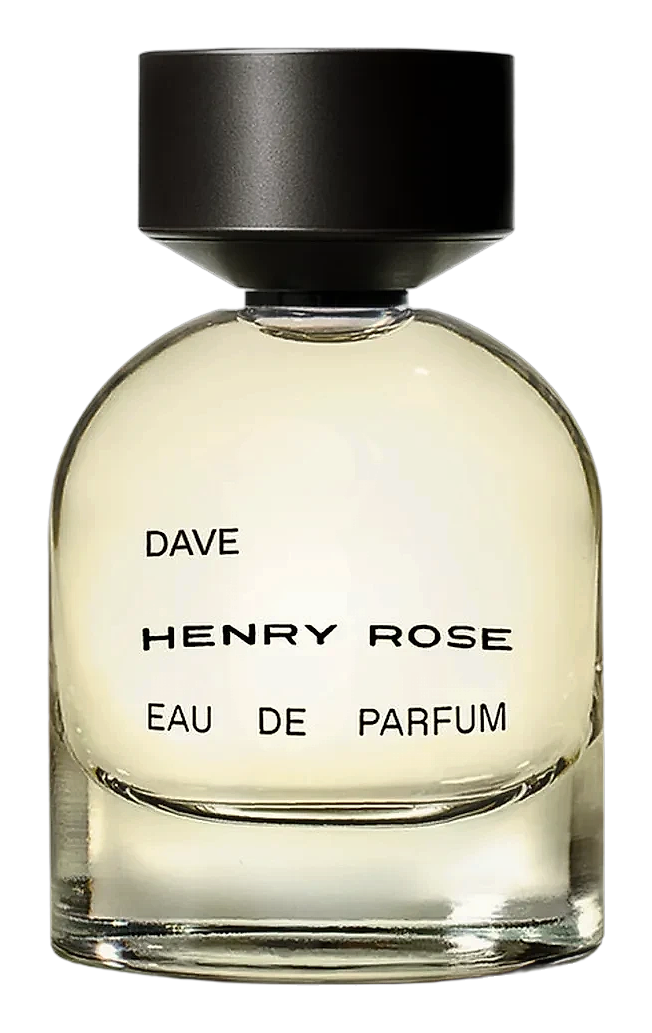

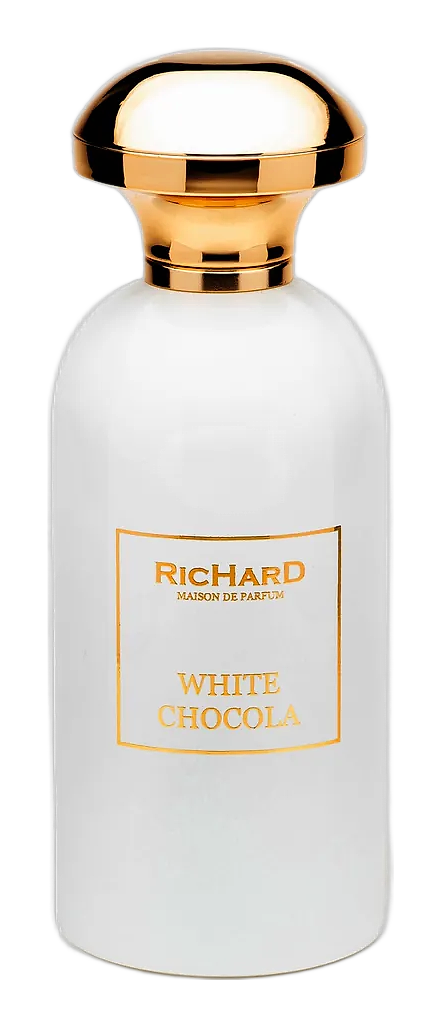
Brands
Brands known for Almond Blossom
Good to know
Questions, answered
The essentials on Almond Blossom in perfumery: how it smells, where it comes from, and how it behaves on skin.
What scent does almond blossom impart?
Almond blossom adds a light, sweet, green nuance with a faint almond‑like warmth. Gas‑chromatography of a fresh extract shows benzaldehyde at 0.3 % of the composition, confirming its moderate intensity on the nose. This profile places the note between floral and gourmand families, making it versatile in many blends.
Is almond blossom oil natural or synthetic?
Almond blossom oil can be obtained both naturally and synthetically. Natural absolute comes from solvent‑extracted petals, while synthetic benzaldehyde replicates the key aroma compound. In 2022, the global market reported that 62 % of almond blossom material used in perfumery was natural.
How much oil can be extracted from almond blossoms?
A kilogram of fresh almond petals yields roughly 2 ml of absolute. Laboratory yields measured in 2021 confirmed this low extraction efficiency, which explains the note’s premium status. The small volume makes each batch valuable for niche fragrance houses.
Which perfume families commonly use almond blossom?
Almond blossom appears most often in floral‑gourmand and chypre families. Its green sweetness balances citrus top notes and anchors woody bases. A 2019 survey of 150 fragrance launches listed almond blossom in 27 % of gourmand‑type releases.
Does almond blossom cause allergic reactions?
Almond blossom can trigger reactions in individuals sensitive to benzaldehyde. Patch‑test data from a 2020 dermatology study recorded a 4 % positive response rate among participants with known nut allergies. Users with severe sensitivities should perform a skin test before prolonged exposure.
How stable is almond blossom in a fragrance formula?
Almond blossom remains stable for up to 18 months when stored in amber glass at 20 °C. Stability trials conducted by a major perfume house in 2021 showed less than 5 % loss of benzaldehyde under these conditions. Proper packaging preserves its fresh character.
Where are the main almond blossom farms located?
The primary almond blossom farms sit in southern Spain’s Andalusian valleys. In 2023, the region produced 1,200 ha of flowering almond trees, accounting for 45 % of Europe’s blossom harvest. The climate’s cool nights and warm days enhance aromatic quality.
Can almond blossom be combined with citrus notes?
Almond blossom pairs well with citrus, creating a bright yet warm opening. A 2022 formulation test showed that adding 5 % orange blossom oil to almond blossom absolute increased perceived freshness by 12 % without masking the almond nuance. The blend offers a balanced spring character.



