The Story
Why it exists.
The beginning
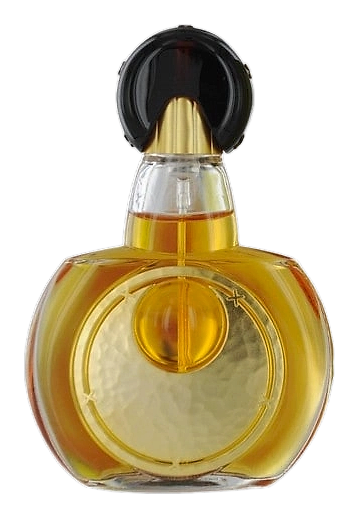
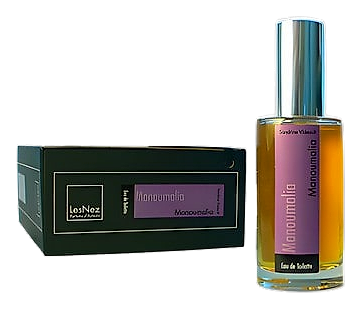
Sandrine Videault built Manoumalia around the ceremonial fragrances of Wallis Island in the South Pacific. The island's traditions use leis of fagraea, tiare, and ylang-ylang; sandalwood for the hair; and a traditional perfume called Tuitui for ceremonies. What makes Manoumalia fascinating is the detail Videault uncovered: since the 1950s, Wallis Islanders have incorporated a European perfume, Pompeia by L.T. Piver, into their Tuitui formula. Videault, who specializes in cultural and historical reconstruction of perfume, essentially followed that thread back out again, creating a fragrance that captures ceremony through Polynesian florals. The irony is built into the structure. Manoumalia launched in 2009.
The ylang-ylang here is not a supporting note. It takes over. In tropical perfumery, ylang-ylang often plays second fiddle to frangipani or tiare, but Manoumalia puts it front and center, and it's bold, almost startling in its richness. The combination of tiare, frangipani, and ylang-ylang creates something with real weight: creamy, waxy, almost tropical-fruit sweet without being fruity. Sandalwood softens the blow with its characteristic cream. Vetiver provides the counterweight: dry, earthy, root-like, keeping the sweetness from becoming cloying. Amber in the base is warm and honeyed, pulling everything toward skin-warmth.
The evolution
The opening announces fagraea and ylang-ylang within seconds. You know immediately what you're dealing with: tropical, lush, intense. The first hour is the boldest, the ylang-ylang at full strength, creamy and almost waxy. As it develops, tiare emerges alongside, adding a gardenia-like quality that deepens the floral heart. Sandalwood arrives to soften, creating a creaminess that tempers the sweetness. Vetiver shows up in the mid-drydown, lending an earthy, root-like dryness that grounds the florals. The final phase settles into warm amber and vetiver, lingering close to the skin with a soft, intimate presence.
Cultural impact
Manoumalia has developed a devoted following among niche fragrance collectors who appreciate its unapologetic tropical intensity. The fragrance occupies a specific corner of niche perfumery: those who want tropical florals done with real weight, not sanitized for mass appeal. Its cult status comes from being both approachable and singular, a rare combination that distinguishes it from softer, more conventional floral compositions in the niche space.