The Story
Why it exists.
The beginning
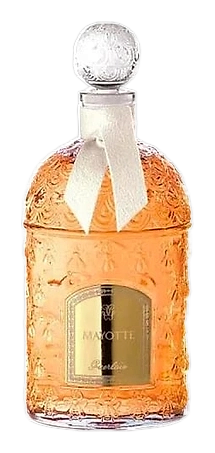
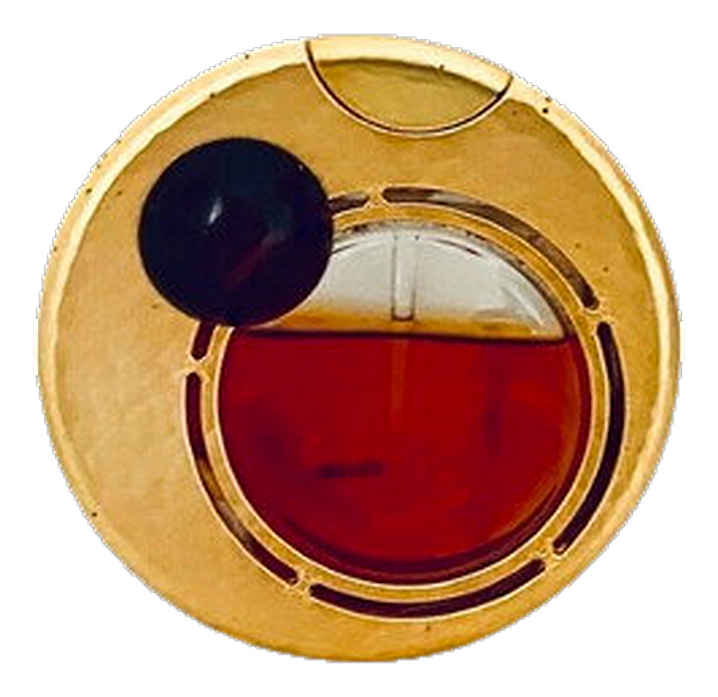
Guerlain has held the title of Official Perfumer to Napoleon III since 1853, a legacy built on combining artistry with uncompromising commitment to quality. This heritage shapes every bottle that leaves the house, with centuries of expertise informing each creation. In 1999, Jean-Paul Guerlain crafted Mahora as an homage to the French Riviera, channeling the hedonistic spirit of summers spent along that sun-bleached coastline. Rather than defaulting to the house's signature powdery Guerlinade, he chose to build outward from a white floral core, treating Tuberose as the central pillar and surrounding it with supporting florals that amplify its tropical richness. The aldehydic opening signals from the first spray that this is not a typical Guerlain composition, signaling a departure from tradition in favor of something bolder and more sensual.
The decision to center Mahora around Tuberose and pair it with Vanilla in the base reflects Jean-Paul Guerlain's willingness to embrace gourmand and tropical elements that were less common in the house's classical catalog. Each note in the heart was chosen to support and amplify the Tuberose, with Ylang-Ylang providing waxy richness and Jasmine adding the animalic depth that makes white florals so seductive. The drydown notes serve a dual purpose: Vanilla warms and sweetens the composition while Sandalwood offers creamy woodiness that harmonizes with the florals above, and Vetiver introduces the earthy counterbalance that keeps the entire structure from floating away into abstraction.
The evolution
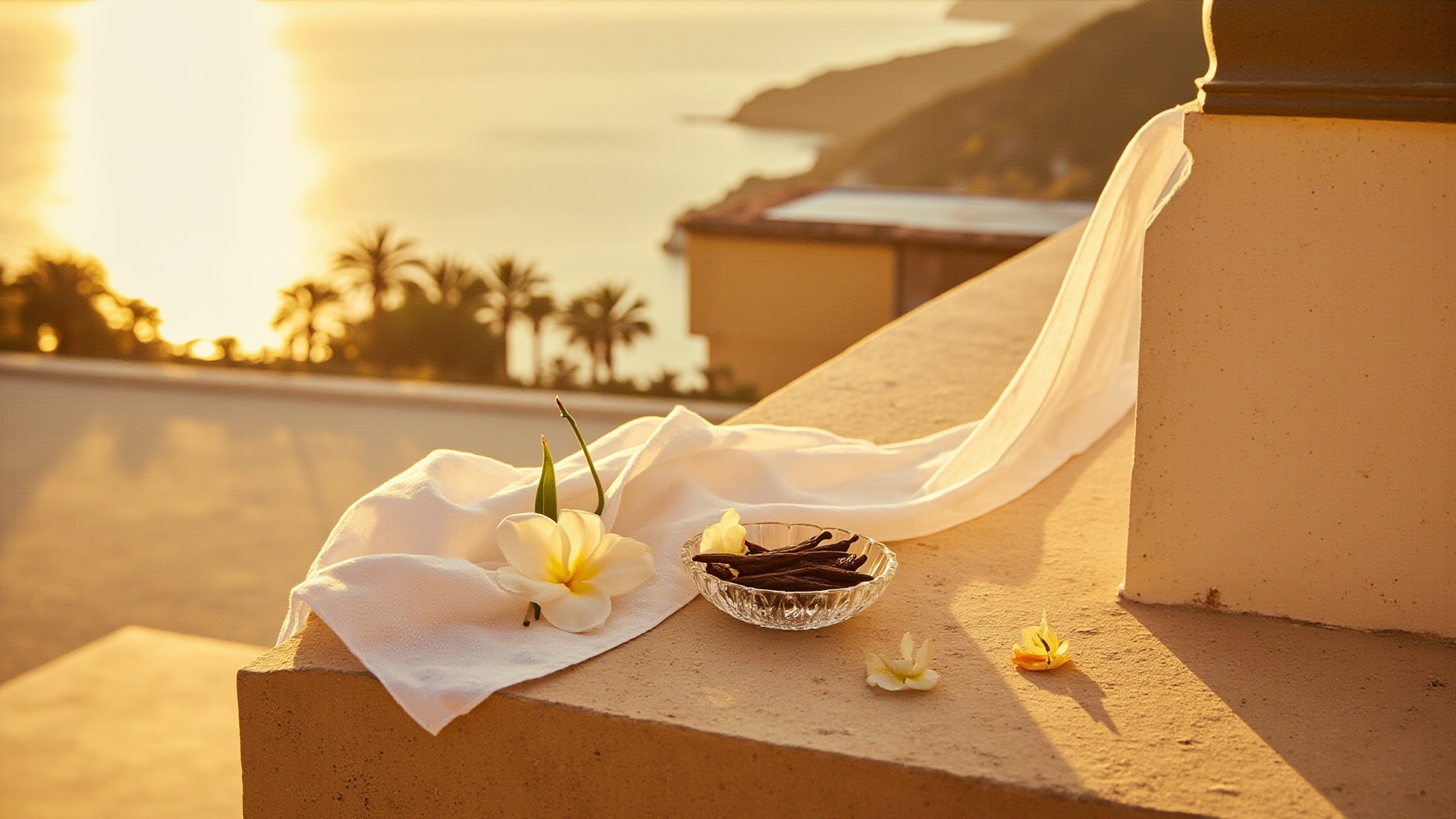
Mahora begins its life with a calculated burst of aldehydic energy that instantly elevates the top notes beyond ordinary citrus. Orange provides immediate brightness before Almond Blossom arrives to soften the sharp edges, creating a powdery, almost marzipan-like warmth that serves as the perfect preamble to the floral explosion that follows. The heart phase is where Mahora earns its reputation, as five white florals converge in a rich, almost overwhelming display of tropical beauty. Jasmine brings its signature indolic sensuality, Ylang-Ylang contributes a waxy, exotic richness, and Frangipani adds a distinctly tropical, beach-adjacent character that evokes sunscreen and sea air. Neroli bridges the citrusy opening and the creamy drydown. As evening falls, Vanilla begins to dominate the composition, transforming the fragrance from a bright floral into something warmer and more intimate.
Cultural impact
Reactions to Mahora split decisively: some find it intoxicating, others find it overwhelming. That's a sign of something with real character. It's the kind of fragrance people either love or refuse to wear, no middle ground, no indifference. The composition opens with a dense, heady rush of white florals where tube rose takes center stage in its fullest, most creamy incarnation. Jasmine sambac brings its signature deep, fruity sweetness while ylang-ylang adds buttery warmth that deepens the tropical impression. Neroli provides a subtle citrus lift that prevents the blend from becoming cloying in the opening.